
Snag Them First | Show Me the New Stuff
〰️
Snag Them First | Show Me the New Stuff 〰️
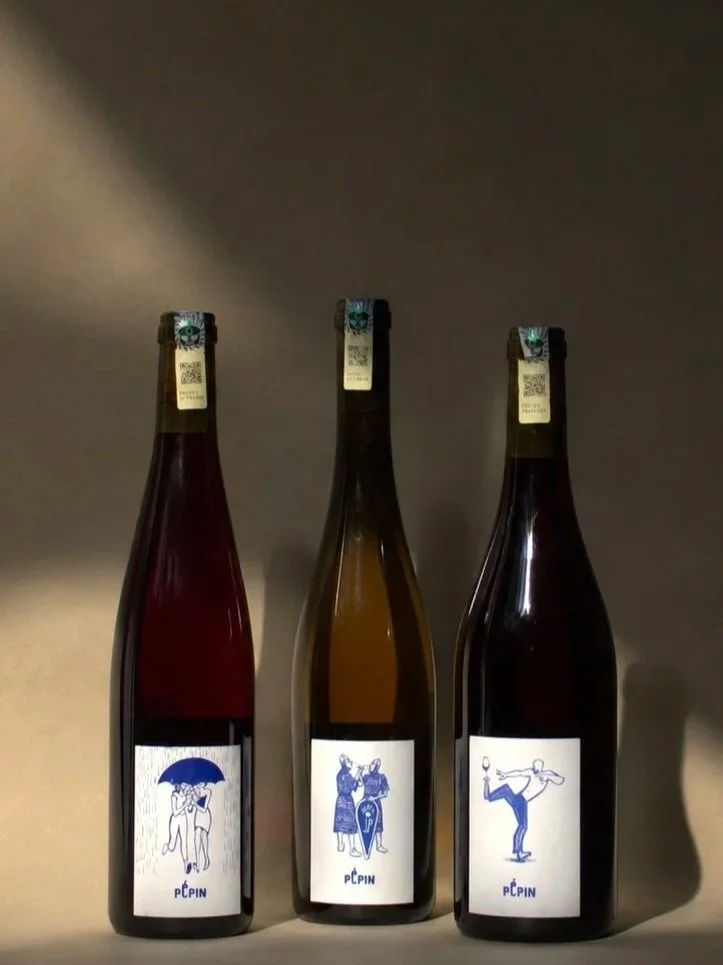
The Pépin Collection: Expressive & Uncompromisingly Natural
If you love natural, vibrant wines with zero pretense, the Pépin collection is about to become your new obsession.
Created with a spirit of collaboration and independence, Pépin brings together small-scale, organic winemakers to craft cuvées that are pure joy in a glass. These are lively, highly drinkable, and utterly delicious wines made for spontaneous gatherings, long dinners, and late-night chats.
Just Landed & Fresh Off the Truck 🚚💨
Blink and you’ll miss ’em! Our latest collection of rare finds and limited-run bottles has officially arrived.
Directly sourced from passionate, small-scale producers who put heart, soul, and heritage into every single vintage, these aren't your run-of-the-mill bottles—they’re unique stories waiting to be uncorked. Because these gems are produced in super small batches, quantities are extremely limited.
Once they’re gone, they’re gone for good. Explore the lineup today and claim your bottles before someone else takes them home!
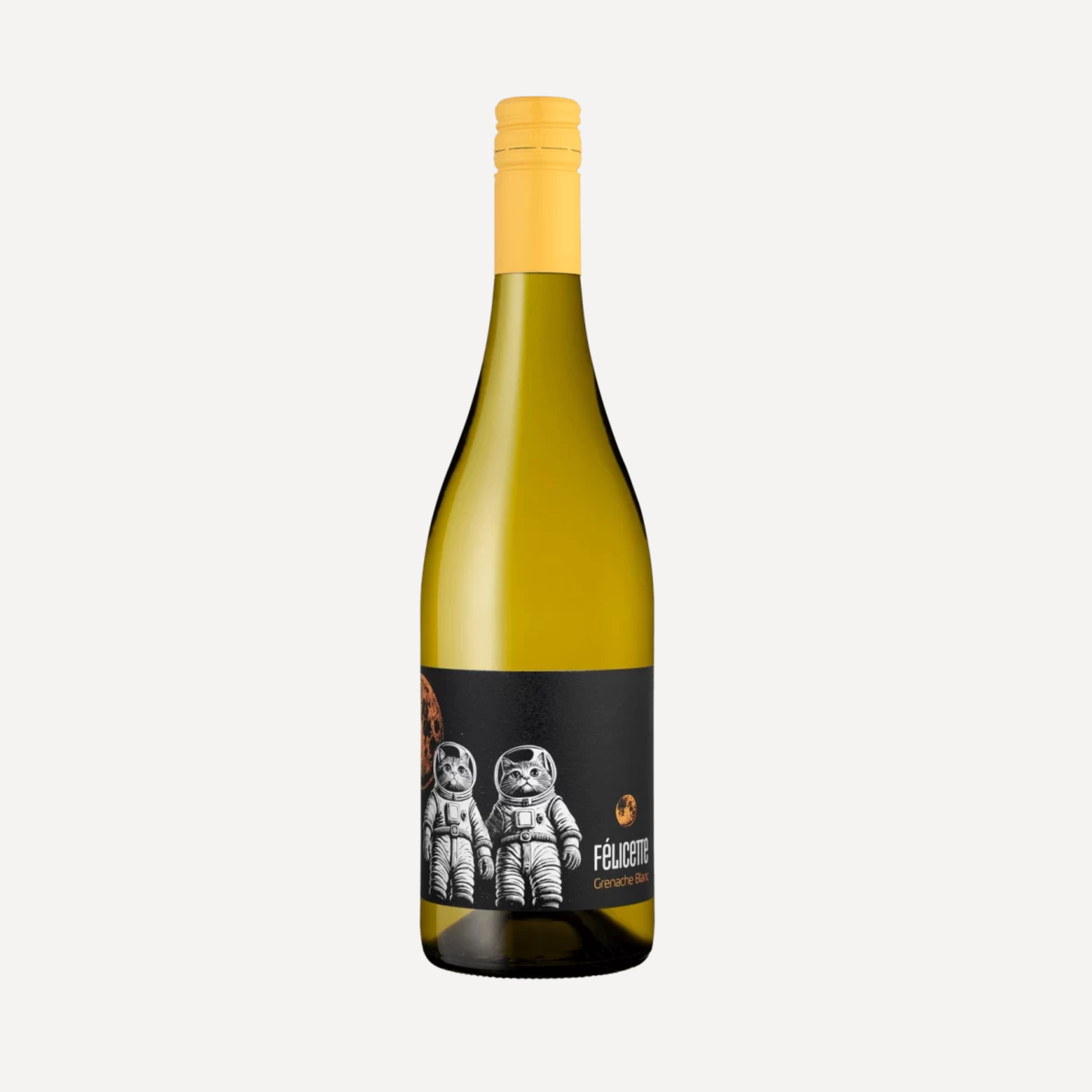
Type: White Wine (Dry / Fresh & Textural / Southern French Style)
Region: IGP Côtes Catalanes, Roussillon, France
Grapes: 100% Grenache Blanc
Alcohol ABV: 13%
Tasting Profile and Key Notes
Aroma:
Bright and expressive, with aromas of ripe pear, dry apricot, peach, nectarine, and exotic fruits. Fresh mint and white flowers add a lifted herbal and floral character, while subtle citrus notes bring freshness to the nose.
Palate:
Dry, fresh, and rounded, with a gentle creamy texture balanced by crisp acidity. Flavours of mango, pear, apricot, and citrus are complemented by a subtle hint of spice and a fine mineral character. The finish is lively and refreshing, with a distinctive lime-zest freshness that keeps the wine energetic rather than heavy.
Winemaking
The Grenache Blanc undergoes a period of cold skin contact and maceration before being gently pressed in a pneumatic press. The must is cold-settled and then kept on fine lees with stirring to build richness and texture. It is subsequently racked off the lees to prevent malolactic fermentation, preserving the wine's fresh, crisp character. The wine sees no oak ageing.
Farming
The vineyards are located on the plains and foothills between the Pyrenees and Mediterranean, with approximately 25-year-old vines planted on clay-limestone soils. The area benefits from both Mediterranean and Atlantic climatic influences: warm conditions encourage ripe, expressive fruit, while cooler influences help maintain acidity and mineral freshness. The vines are planted at relatively high density and trained using the Cordon de Royat system.
New Arrivals
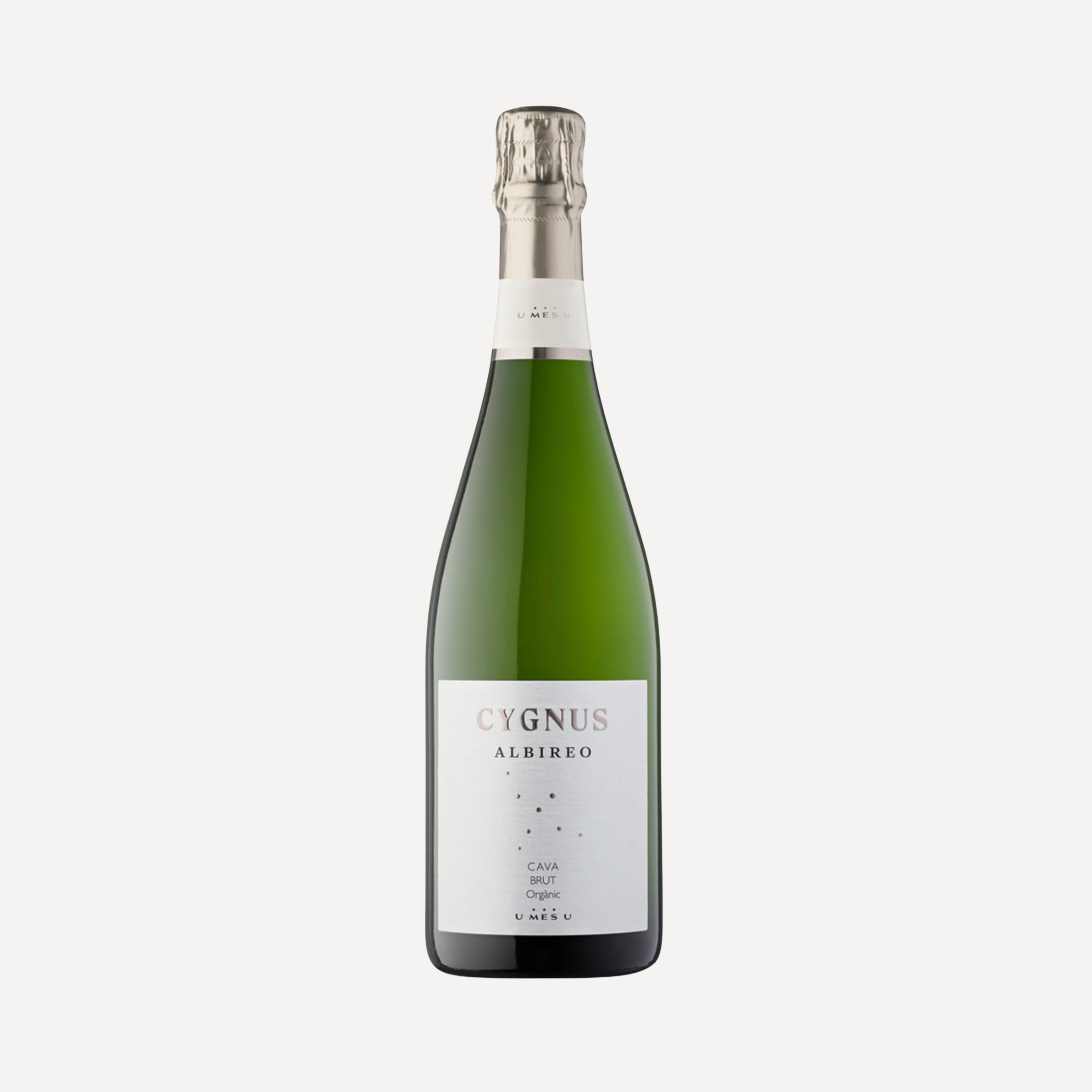
Type: Sparkling Wine (Cava / Brut / Organic / Traditional Method)
Region: Alt Penedès, Catalonia, Spain — DO Cava
Grapes: 45% Xarel·lo, 30% Parellada, 25% Macabeo
Alcohol ABV: 11.5%
Tasting Profile and Key Notes
Aroma:
Fresh and expressive, with aromas of green apple, pear, white peach and lemon zest, followed by delicate floral notes. There are subtle hints of brioche, fresh bread and light lees character from bottle ageing, but the primary fruit remains the focus.
Palate:
Dry, lively and refreshing, with a fine, well-integrated mousse. Crisp apple, pear and citrus flavours are balanced by bright acidity and a gentle creamy texture. A subtle saline and lightly yeasty character appears towards the finish, giving the Cava more complexity without making it heavy. The 8.5 g/L dosage gives it a gently rounded, fruity finish while remaining firmly in the Brut category.
Winemaking
The must is clarified and fermented under temperature-controlled conditions at around 16–17°C. The three varieties are then blended before undergoing secondary fermentation in bottle using the traditional method. The Cava spends approximately 12–18 months on its lees, developing subtle autolytic complexity while retaining its fresh, fruity character.
Farming
U Mes U farms organically and sustainably in the Alt Penedès, with vineyards located at around 350 metres elevation. The winery is certified organic by CCPAE and places strong emphasis on sustainable vineyard and winery practices. The relatively elevated sites help preserve acidity and freshness in the Mediterranean climate.
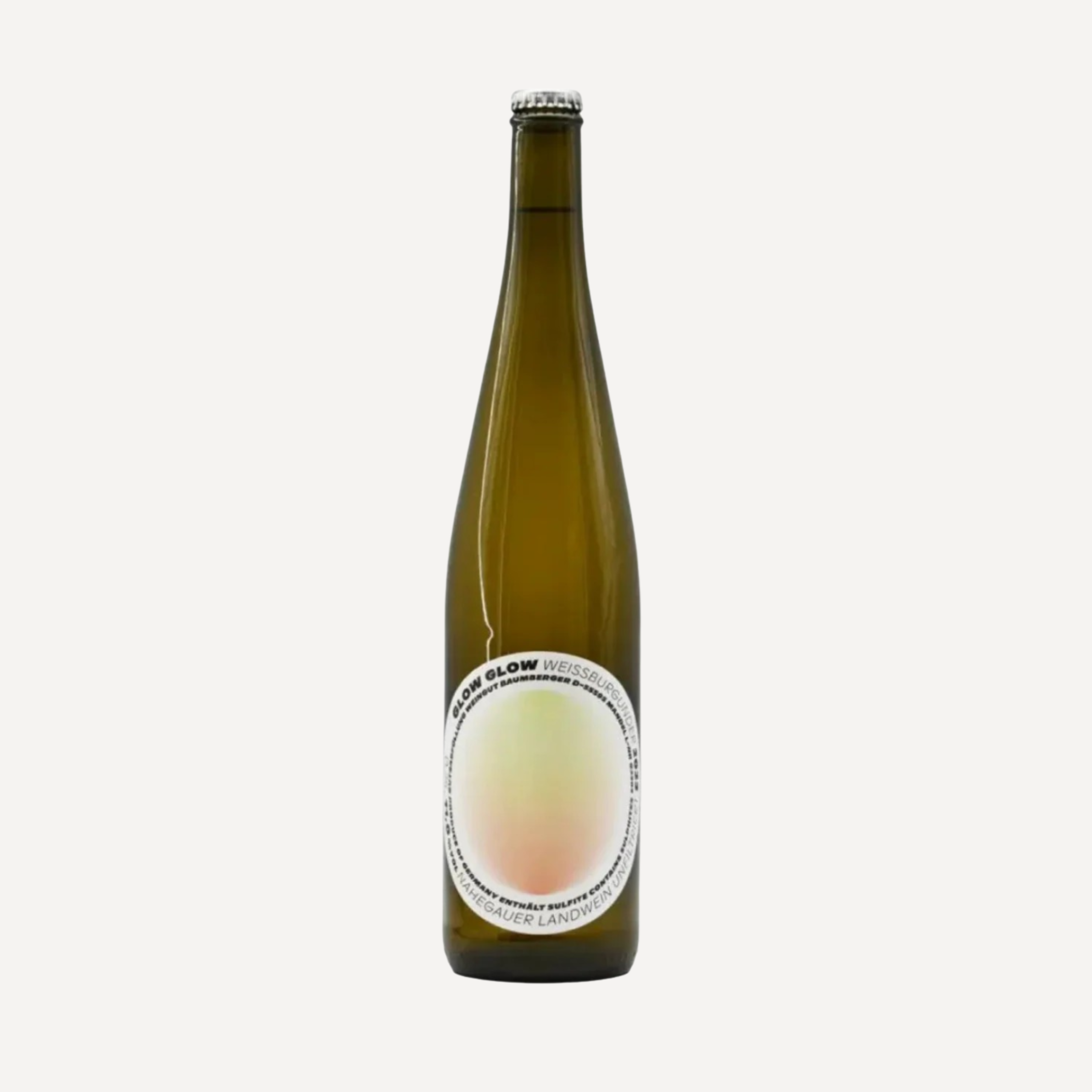
Type: White Wine (Natural / Organic / Minimal Intervention / Fresh & Textural)
Region: Nahe, Germany
Grapes: 100% Weissburgunder (Pinot Blanc)
Alcohol ABV: Not independently confirmed for the single-variety 2024 bottling
Tasting Profile and Key Notes
Aroma:
Fresh and bright, with aromas of green apple, lemon, pear, and citrus peel. There is also a subtle herbal character, with hints of freshly cut grass and white flowers. The nose is initially quite restrained, but opens with air to reveal more depth and freshness.
Palate:
Crisp, juicy, and energetic with lively acidity and a gentle creamy texture. Green apple and citrus flavours dominate, supported by a subtle herbal character and fine mineral freshness. It starts very easy-going, but develops more tension and complexity as it opens, finishing clean, dry, and refreshing.
Winemaking
The 2024 Weissburgunder was bottled as a single-variety wine after the team found the individual barrel particularly expressive during winter tasting. The wine was fermented in stainless steel and kept on its lees, allowing it to retain its freshness and energy while developing additional texture. The producer notes that the wine remains remarkably stable after opening and actually becomes more expressive with time in the bottle and glass.
Farming
Glow Glow is the natural-wine project of Pauline and Carl Baumberger in the Nahe. The vineyards are organically farmed, with hand harvesting and a strong focus on minimal intervention. The Nahe's combination of cool climate and diverse soils helps preserve the bright acidity and freshness that are central to this Weissburgunder.
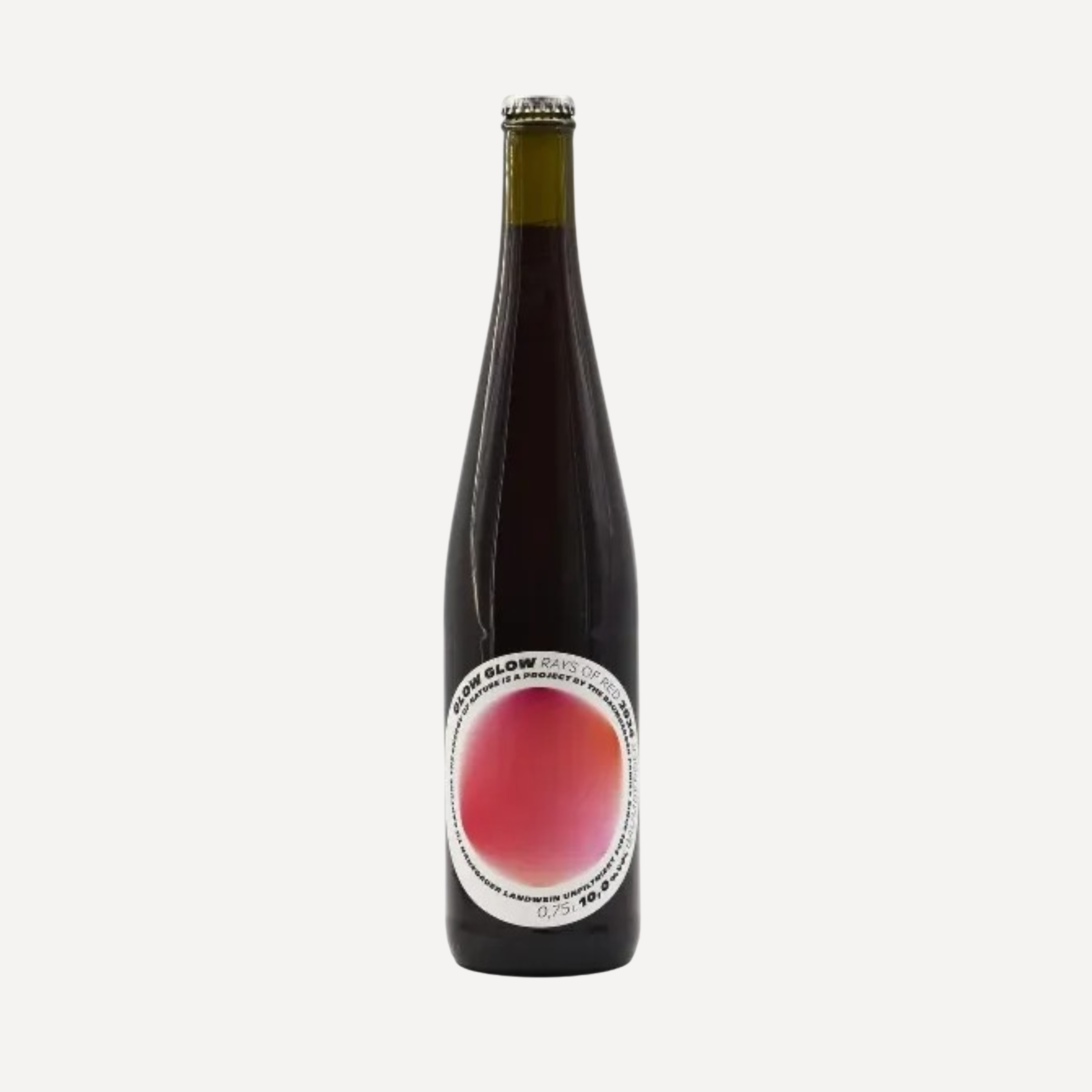
Type: Red Wine (Natural / Organic / Light-bodied / Chilled Red)
Region: Nahe, Germany
Grapes: Dornfelder, Portugieser, St. Laurent, Regent & Pinotin
Alcohol ABV: 10%
Tasting Profile and Key Notes
Aroma:
Bright and playful, with aromas of sour cherry, raspberry, redcurrant and fresh wild berries. Behind the fruit are lively herbal notes, a touch of black pepper and a subtle cola-like character. The overall nose is fresh, juicy and energetic rather than heavy or ripe.
Palate:
Light-bodied, juicy and refreshing with bright acidity and very gentle tannins. Red cherry, raspberry and redcurrant dominate, followed by fresh herbs and a light peppery savouriness. The palate has an almost weightless, "glou-glou" quality, with a dry, lively finish that makes you immediately want another sip.
Winemaking
The five varieties are treated separately to highlight their individual characters. Dornfelder, Regent and Pinotin are destemmed and given a 6-day cold maceration, while St. Laurent undergoes approximately 14 days of skin fermentation. Portugieser is direct-pressed. The different components ferment spontaneously and are matured in a combination of old oak barrels and stainless steel before blending. The wine is unfined, unfiltered and bottled without added sulphur, following Glow Glow's minimal-intervention philosophy.
Farming
Glow Glow is the natural-wine project of Pauline and Carl Baumberger at Weingut Baumberger in the Nahe. The family winery works around 14.5 hectares of organically farmed vineyards, with soils including loam, loess and sand. Their philosophy is essentially "nothing added, nothing taken away", allowing the grapes and the Nahe's cool climate to express themselves with freshness, delicacy and energy.
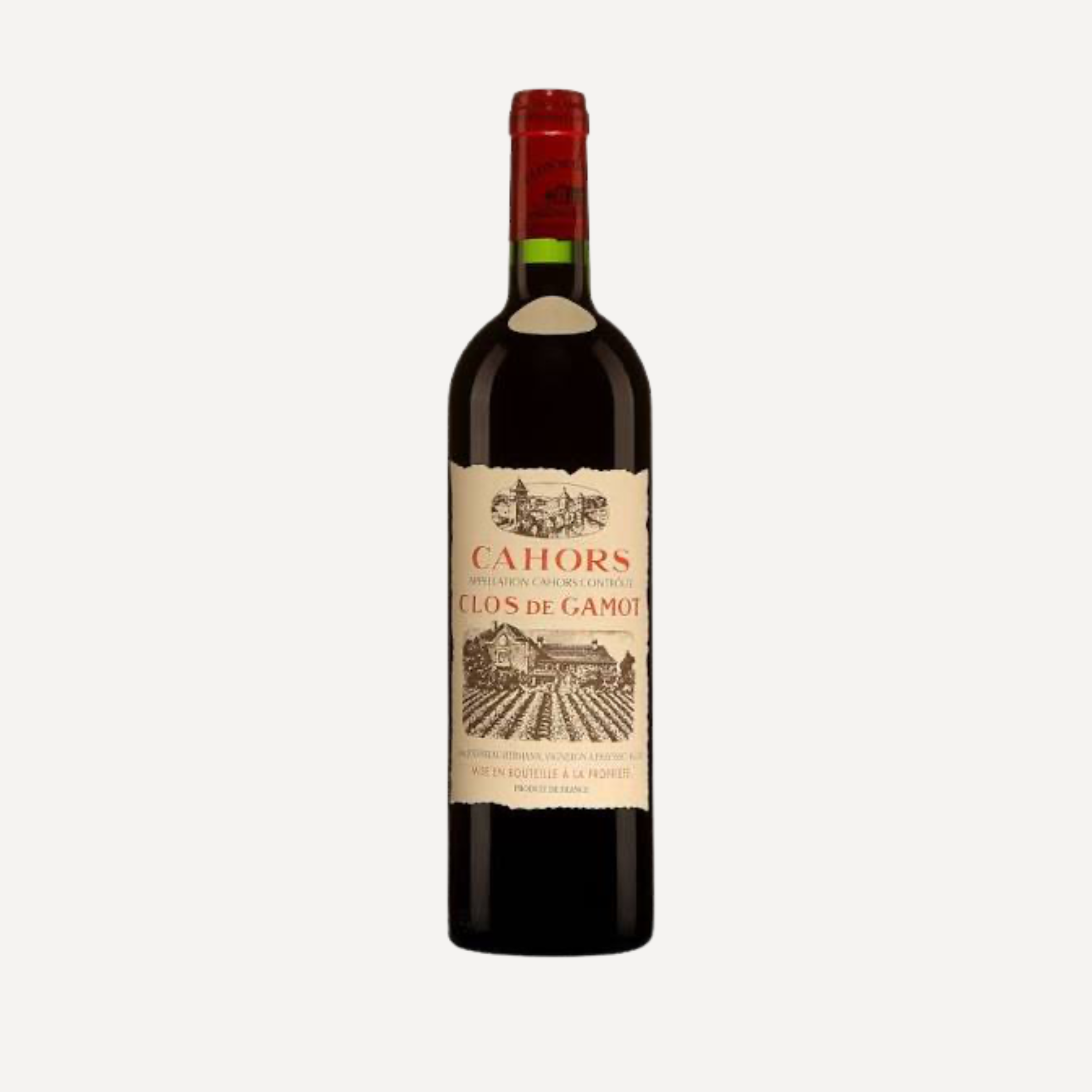
Type: Red Wine (Full-bodied / Traditional Cahors / Old-Vine Malbec)
Region: Cahors, South-West France
Grapes: 100% Malbec
Alcohol ABV: 13.5%
Tasting Profile and Key Notes
Aroma:
Deep and expressive, showing blackberry, black cherry, blackcurrant and violet, with characteristic notes of liquorice, graphite and dark minerals. With air, more savoury layers of dried herbs, earth, subtle spice and gentle oak emerge. The combination of dark fruit and mineral character gives the wine a distinctly rustic yet elegant Cahors profile.
Palate:
Dry, full-bodied and structured, with concentrated dark fruit supported by firm but polished tannins and fresh acidity. Blackberry, black cherry and plum are joined by liquorice, graphite and subtle earthy notes. The texture is generous and supple through the middle, while the finish is long, savoury and mineral-driven.
Winemaking
The vineyards are made up of different parcels, which are vinified separately in small-volume vats to preserve the character of each terroir. Fermentation is followed by approximately 21 days of maceration, with gentle remontage to extract colour and tannin without excessive harshness. The wine is then matured in large foudres and demi-muids for approximately 18–24 months, giving the Malbec time to develop complexity while keeping the oak relatively integrated.
Farming
Clos de Gamot is a historic family estate in Cahors, with the Jouffreau family having worked the vineyard for centuries. The estate covers around 18 hectares on clay-limestone soils with rounded stones, flint and red clay, and some of the vines still producing fruit are more than 120 years old. The vineyards are worked by hand and through traditional soil cultivation, with old-vine parcels harvested manually.
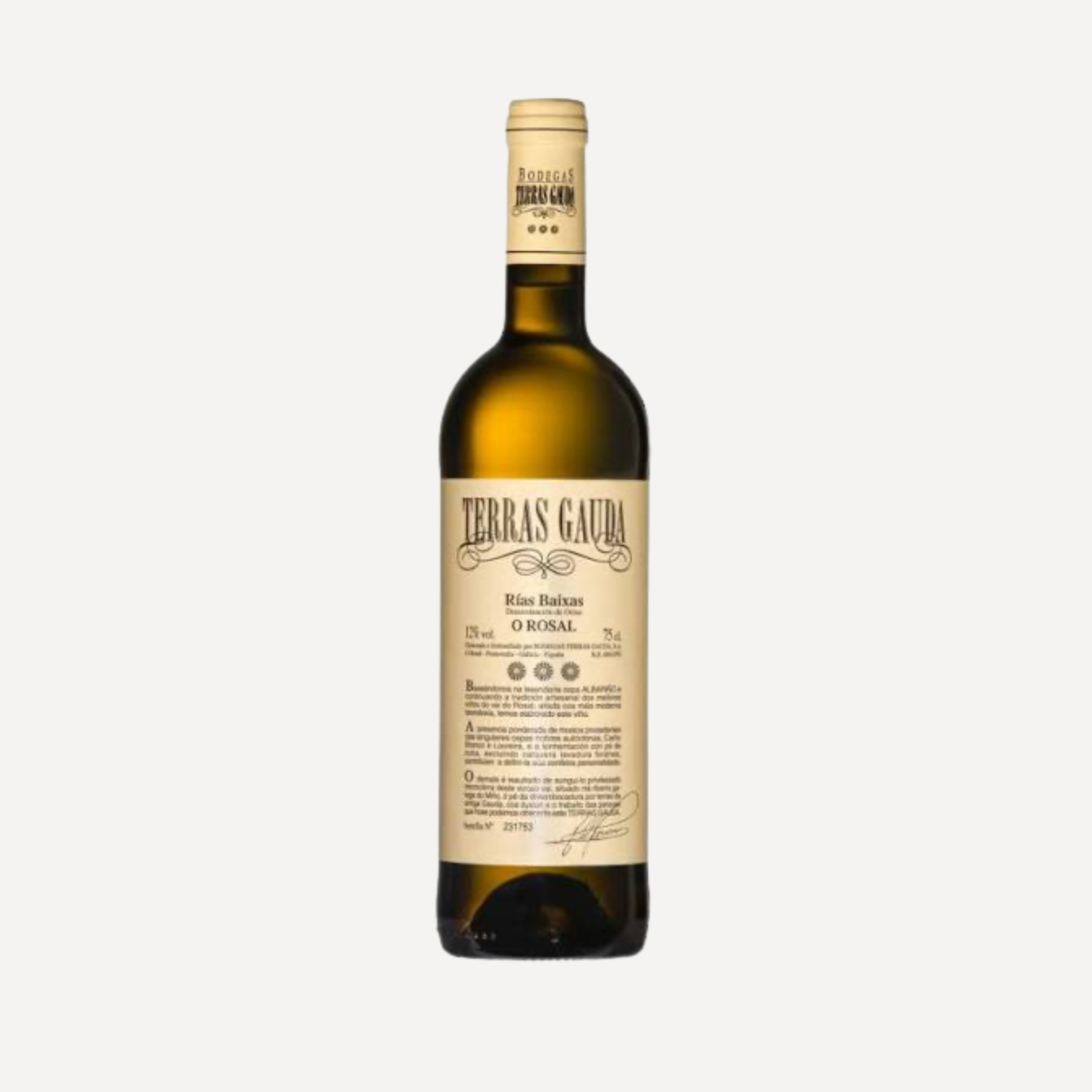
Type: White Wine (Dry / Aromatic / Textural / Atlantic Spanish White)
Region: O Rosal, Rías Baixas, Galicia, Spain
Grapes: 70% Albariño, 25% Caíño Blanco, 5% Loureiro
Alcohol ABV: 12.5%
Tasting Profile and Key Notes
Aroma:
Expressive and layered, with ripe peach, apricot, mandarin, lemon and orange peel. Loureiro brings lifted orange-blossom and floral aromas, while Caíño Blanco contributes tropical fruit, fresh herbs and subtle balsamic notes. Underneath the fruit are hints of bay leaf, mint, wet stone and a delicate saline character, giving the wine a distinctly Atlantic personality.
Palate:
Dry, fresh and medium-bodied, with a lovely combination of juicy fruit, bright acidity and gentle texture. Ripe peach, citrus and mandarin are balanced by herbal and mineral notes, with a subtle saline quality running through the palate. It is more rounded and substantial than a simple, crisp Albariño, finishing long, savoury and refreshing.
Winemaking
The three varieties are harvested and vinified separately, with the grapes picked by hand and transported in small 20 kg boxes to protect the fruit. The grapes undergo cold maceration before fermentation in stainless-steel tanks, preserving their aromatic character and freshness. The wine is bottled young, with the emphasis on varietal expression, freshness and the distinctive character of O Rosal.
Farming
The vineyards are located in the O Rosal subzone of Rías Baixas, close to the Atlantic and the Miño River. The Albariño and Caíño come from lower-altitude, warmer and more humid parcels, giving them greater concentration and body, while the Loureiro comes from higher, cooler vineyards, helping preserve aromatic intensity and freshness.
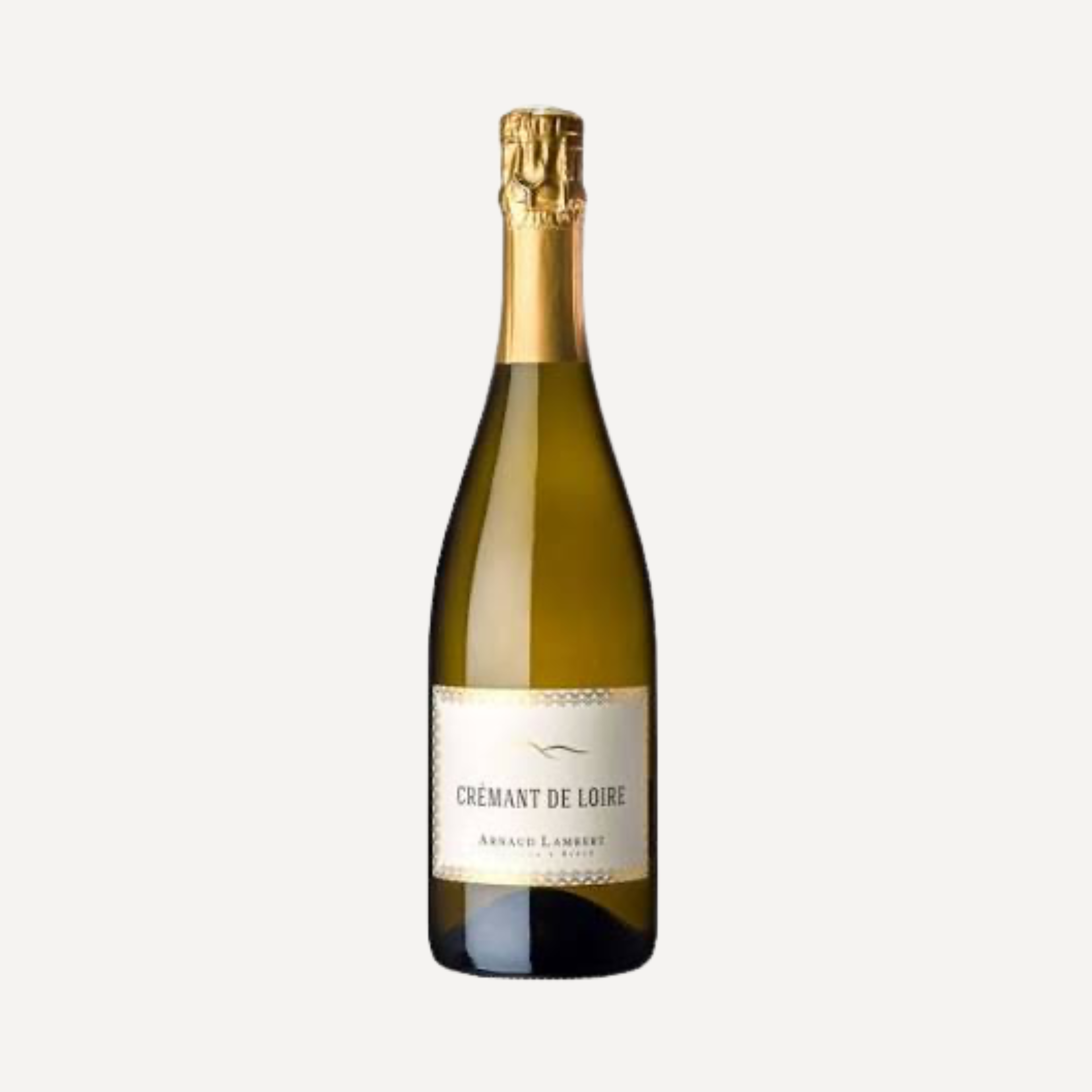
Type: Sparkling White (Traditional Method / Organic / Biodynamic)
Region: Crémant de Loire AOC, Loire Valley, France
Grapes: 50% Chenin Blanc, 50% Cabernet Franc
Alcohol ABV: 12%
Tasting Profile and Key Notes
Aroma: Bright and elegant, opening with aromas of crisp green apple, pear, and white peach, followed by citrus zest and fresh lemon blossom. Delicate notes of white flowers, brioche, toasted almonds, and biscuit develop from extended lees ageing, while a subtle chalky minerality adds freshness and finesse. Fine hints of red berries from the Cabernet Franc contribute additional complexity and lift.
Palate: Fresh, vibrant, and beautifully balanced, with a lively mousse and crisp acidity carrying flavours of green apple, citrus, pear, and stone fruits. Gentle notes of brioche, toasted hazelnut, and pastry cream add texture and depth without overwhelming the wine's precision. The finish is long, clean, and mineral-driven, leaving a refreshing impression of chalk, citrus, and delicate creamy richness.
Winemaking
The grapes are hand-harvested and gently whole-bunch pressed before undergoing separate fermentation with indigenous yeasts. Secondary fermentation takes place in bottle following the traditional method (méthode traditionnelle), with the wine resting on its lees for an extended period to develop fine bubbles, texture, and complexity. Minimal intervention is practised throughout the process, with low sulfur additions to preserve purity and freshness.
Farming
The vineyards are certified organic and biodynamic, located around Brézé and Saint-Cyr-en-Bourg in the Loire Valley, where limestone-rich tuffeau soils contribute remarkable minerality and precision. Arnaud Lambert is committed to regenerative farming, encouraging biodiversity and healthy living soils while allowing the vines to express the distinctive terroir of Saumur. Careful vineyard management and low yields produce fruit with exceptional freshness, balance, and elegance.
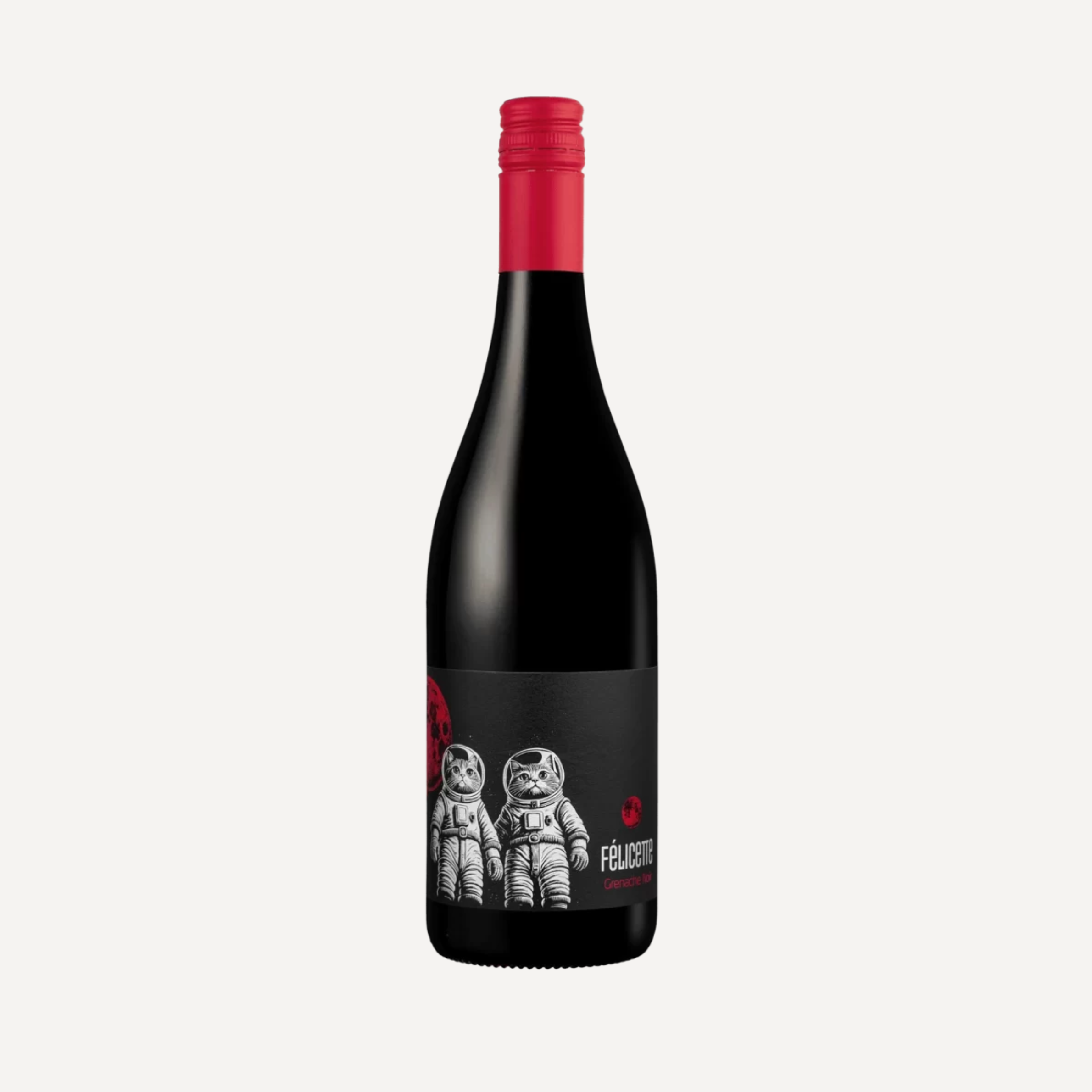
Type: Red Wine (Dry / Fruity / Soft & Juicy / Mediterranean Style)
Region: Languedoc & South-West France, France
Grapes: 100% Grenache Noir
Alcohol ABV: 13–14%
Tasting Profile and Key Notes
Aroma:
Bright and expressive, with aromas of ripe raspberry, strawberry, red cherry and plum. As it opens, the nose develops more distinctive notes of violet, sweet spices, vanilla and a subtle banana-like character. The overall profile is generous and perfumed, with the warm Mediterranean climate giving the fruit a ripe, juicy quality.
Palate:
Medium-bodied, soft and juicy with ripe red and dark fruit flavours. Raspberry, cherry and plum are supported by gentle spice and floral notes of violet. The tannins are deliberately soft and rounded, making the wine smooth and immediately approachable rather than structured or heavy.
Winemaking
The grapes are destemmed before being treated with a combination of hot and cold maceration to extract colour and preserve varietal fruit character. Fermentation takes place at controlled temperatures with gentle pump-overs, extracting softer tannins rather than aggressive structure. The different pressings are blended and the wine is matured in stainless-steel tanks, with no oak ageing, to preserve its fresh, fruit-driven character.
Farming
The vineyards are located in southern France between the Pyrenees and the Mediterranean, benefiting from a warm, dry Mediterranean climate. The vineyards include sandy and silty soils, together with chalk-clay hillside sites. These conditions favour ripe, expressive Grenache while allowing the wine to retain enough freshness for easy drinking
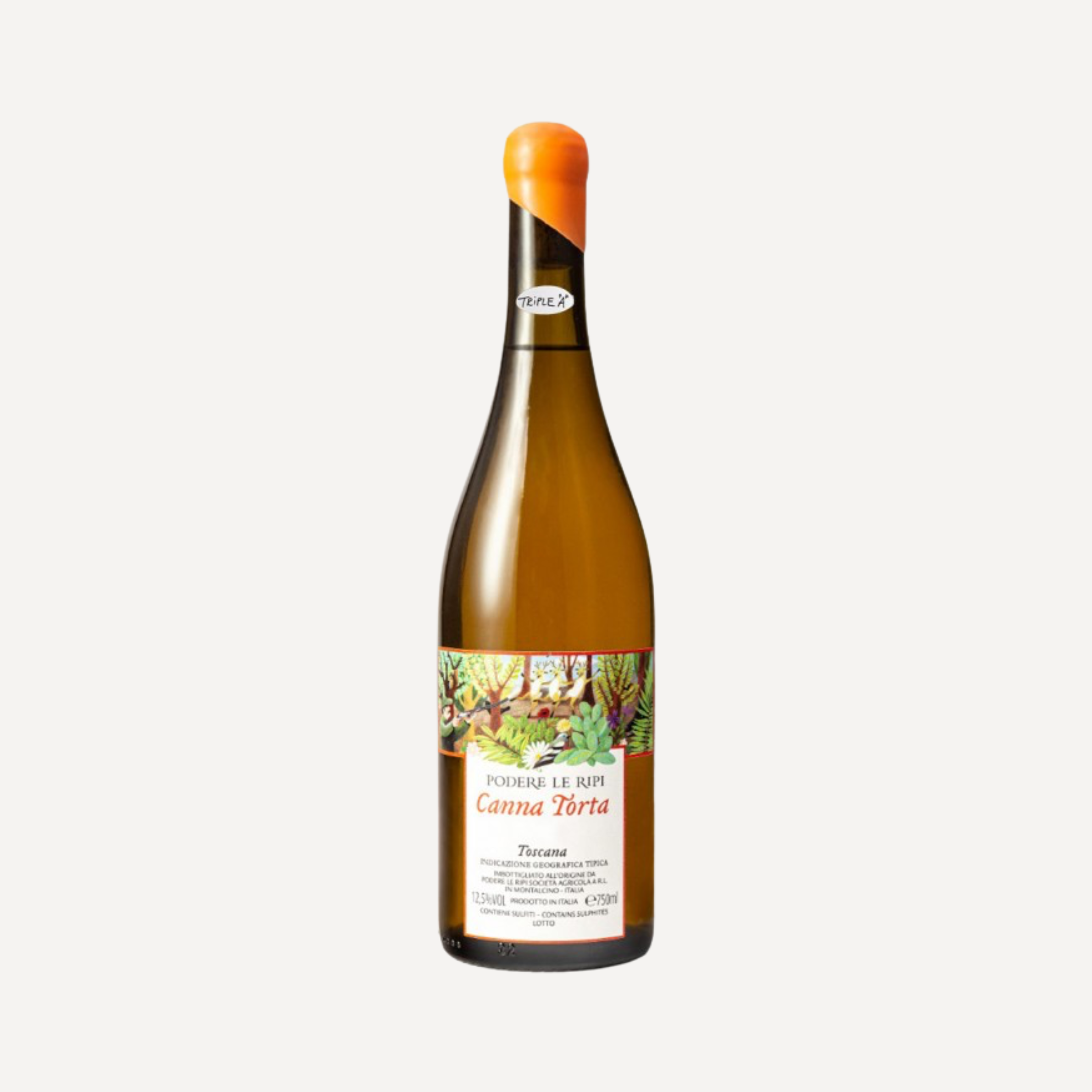
Type: Orange Wine (Skin-Contact / Amphora / Biodynamic / Natural)
Region: Montalcino, Tuscany, Italy — Toscana Bianco IGT
Grapes: 50% Malvasia, 50% Trebbiano
Alcohol ABV: 12%
Tasting Profile and Key Notes
Aroma:
Bright yet complex, with yellow apple, ripe pear, peach, grapefruit, mandarin and citrus peel. There are delicate floral notes alongside honey, dried herbs, chamomile and a subtle waxy character. With air, the wine develops more savoury and mineral notes, giving it considerably more depth than a typical Tuscan white.
Palate:
Dry, fresh and textural, with a noticeable but fine tannic grip from the skin contact. Fresh apple, lemon, grapefruit and orchard fruit are balanced by lively acidity and a savoury, mineral character. The finish is dry and slightly bitter, with citrus peel, herbs and subtle nutty notes. It has the unusual combination of white-wine freshness with the structure and tactile grip of a light red.
Winemaking
The grapes are organically grown and harvested by hand. The 2023 vintage is made with indigenous yeasts and fermentation/maceration in terracotta amphorae, giving the wine its amber colour, texture and gentle tannic structure. Sources differ on the exact maceration duration, but the producer's technical information confirms amphora fermentation and subsequent maturation; specialist listings describe approximately 12 months of ageing in terracotta and/or concrete.
Farming
Podere Le Ripi is a biodynamic estate in Montalcino, founded by Francesco Illy, with a strong focus on biodiversity, soil health and low-intervention viticulture. The 2023 Canna Torta uses organically grown grapes, with vineyards planted at around 6,000 vines/hectare and harvested manually.
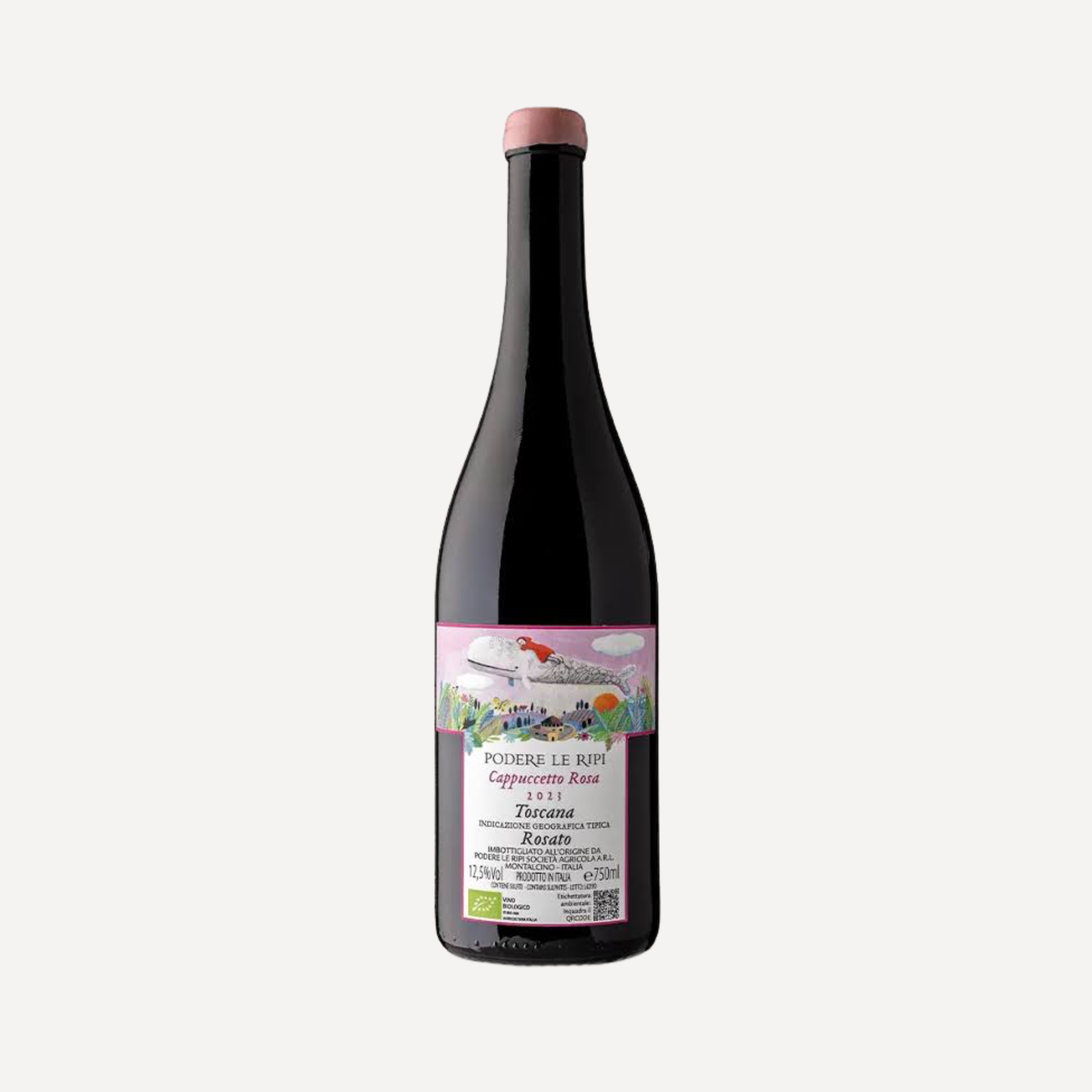
Type: Rosé Wine (Dry / Biodynamic / Natural / Textural)
Region: Montalcino, Tuscany, Italy — Toscana Rosato IGT
Grapes: 100% Sangiovese
Alcohol ABV: 12.5%
Tasting Profile and Key Notes
Aroma:
Bright and expressive, with fresh raspberry, redcurrant, wild strawberry, blood orange and orange zest. Floral notes of rose, jasmine and wild flowers add elegance, while a subtle herbal note reminiscent of sage gives the nose a savoury Tuscan character.
Palate:
Dry, fresh and surprisingly structured for a rosé. Juicy red berries and citrus are supported by vibrant acidity, a pleasant saline character, and very fine tannins. The finish is clean, savoury and slightly bitter-citrusy, giving it considerably more gastronomic character than a simple fruit-driven rosé.
Winemaking
The 2023 vintage is made from a dedicated Sangiovese vineyard, harvested specifically for rosé production. The grapes undergo spontaneous fermentation with indigenous yeasts and approximately 24 hours of skin maceration, followed by gentle pressing. The wine is then aged for around 11 months between stainless steel and concrete, allowing the wine to retain freshness while developing additional texture and depth.
Farming
Podere Le Ripi is a biodynamic estate in Montalcino, founded by Francesco Illy, with a strong focus on biodiversity and regenerative viticulture. The Cappuccetto Rosa vineyard is planted at approximately 6,000 vines per hectare, on relatively young sedimentary alluvial soils containing a mixture of galestro, alberese and granitic material. The grapes are harvested manually, helping preserve freshness and fruit purity.
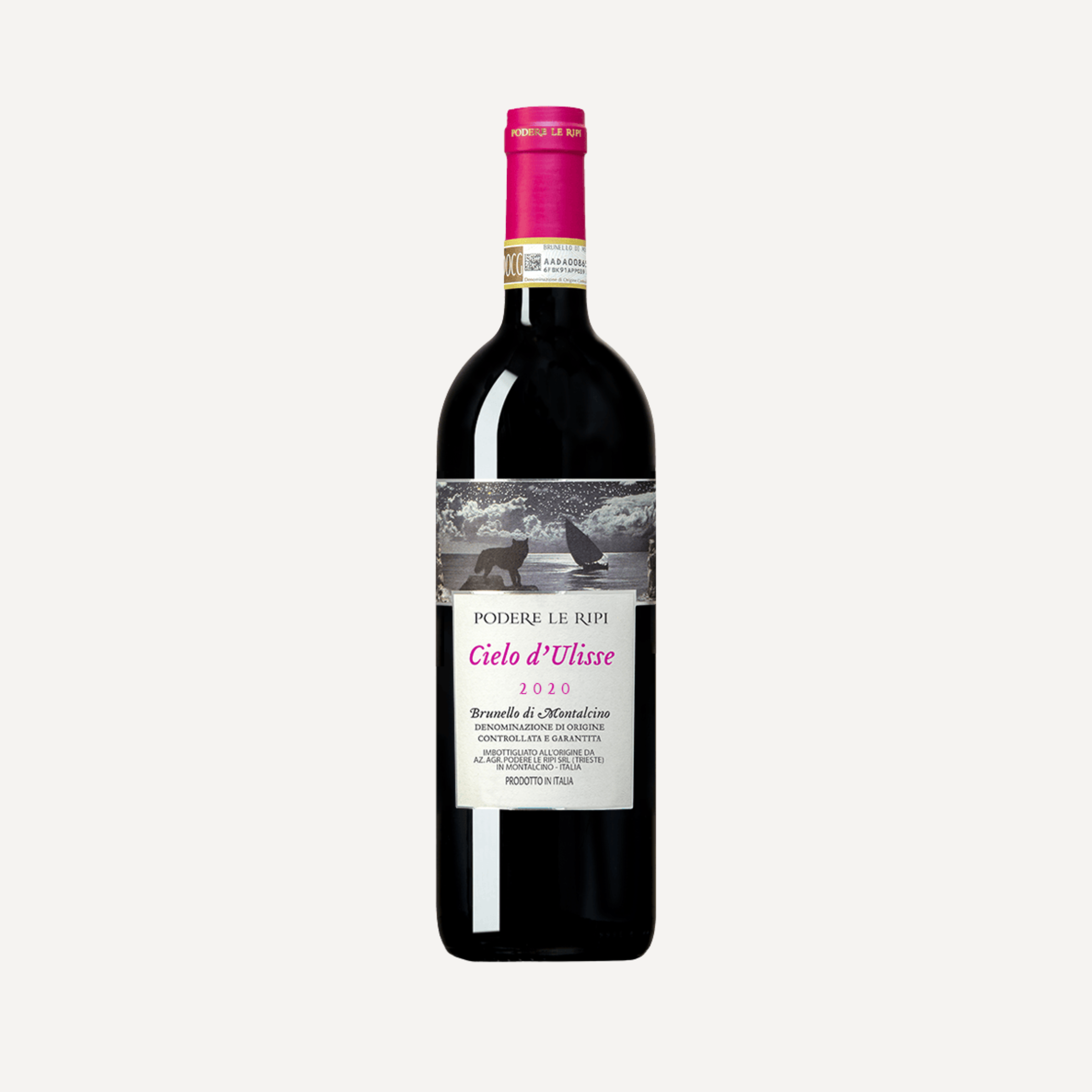
Type: Red Wine (Brunello di Montalcino / Biodynamic / Traditional / Structured)
Region: Montalcino, Tuscany, Italy — Brunello di Montalcino DOCG
Grapes: 100% Sangiovese
Alcohol ABV: 14.5% according to Podere Le Ripi's 2020 technical sheet.
Tasting Profile and Key Notes
Aroma:
Complex and refined, with red cherry, wild strawberry, raspberry and blackberry, followed by violet, dried flowers and forest-floor aromas. The 2020 vintage also shows more savoury and mineral nuances of cold smoke, graphite, flint, mint and subtle balsamic herbs, giving the wine considerable depth.
Palate:
Medium to full-bodied, powerful but still fresh, with vibrant acidity and fine yet distinctly grippy tannins. Red and dark berries lead into earthy, graphite and balsamic flavours, with a subtle saline/mineral character. The finish is long and elegant, although the 2020 is still quite youthful and structured, with plenty of capacity to develop further in bottle.
Winemaking
The 2020 Cielo d'Ulisse is fermented with indigenous yeasts, with approximately 20 days of fermentation and maceration. The wine is then matured for around 36 months in large oak casks, allowing the Sangiovese to develop complexity while avoiding excessive new-oak character. It subsequently receives extended bottle ageing before release.
Cielo d'Ulisse comes from Podere Le Ripi's western slope, a naturally cooler part of the estate surrounded by forest. The site's alluvial soils contain clay and sand together with fragments of alberese, galestro and macigno toscano, contributing freshness and elegance to the wine.
Farming
Podere Le Ripi farms biodynamically, with a strong emphasis on biodiversity and soil health. The Cielo d'Ulisse vineyards are planted at approximately 4,800 vines per hectare and harvested by hand. The western exposure and surrounding woodland create a cooler microclimate, helping the Sangiovese retain acidity and aromatic freshness even in warmer vintages.
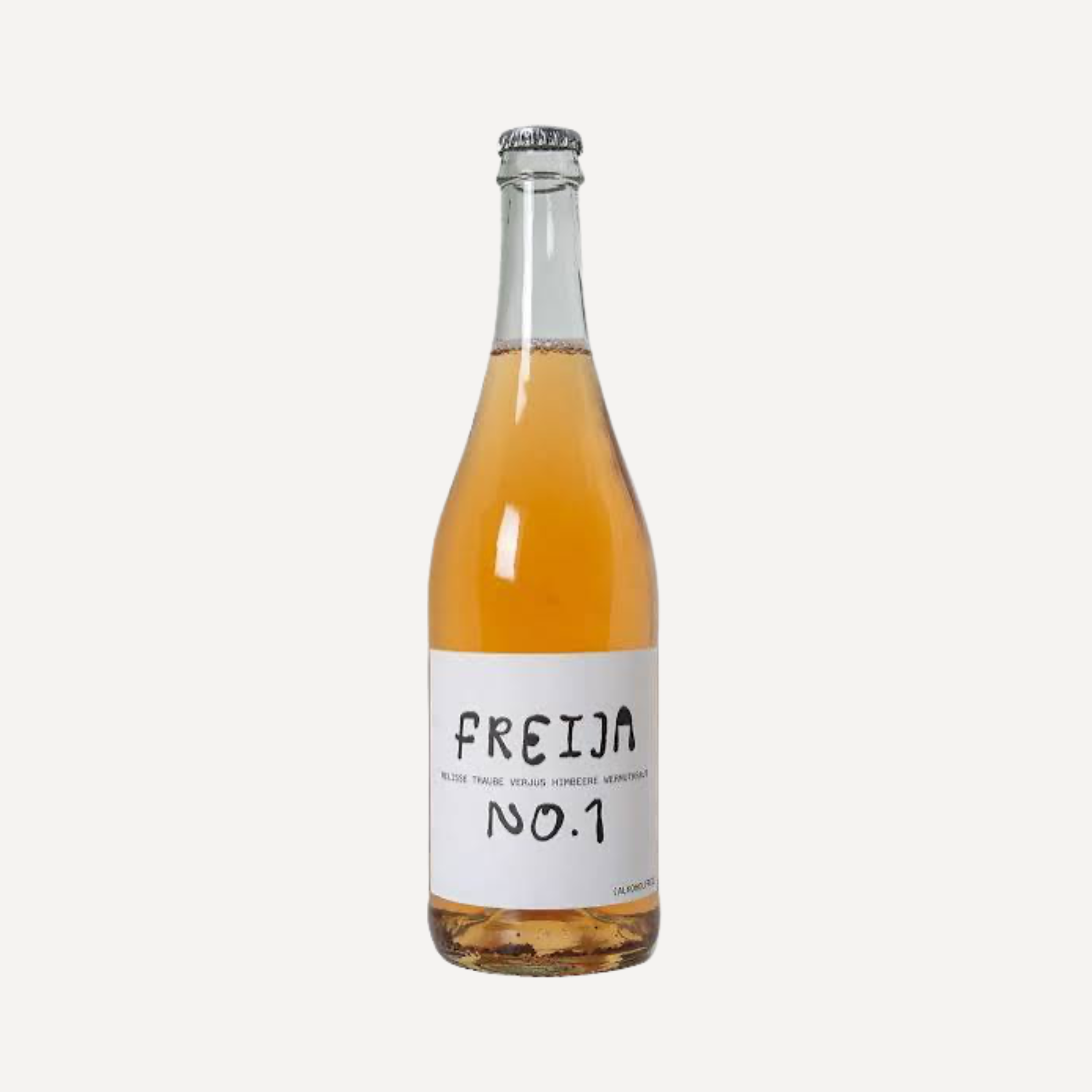
Type: Alcohol-Free Sparkling Tea / Grape-Based Beverage
Region: Nahe, Germany
Grapes: Grape juice-based; not a conventional grape-varietal wine
Alcohol ABV: 0.0%
Tasting Profile and Key Notes
Aroma:
Delicate and refreshing, with bright citrus, fresh herbs, floral notes, and subtle red-fruit aromas. Lemon balm gives the drink a lifted herbal character, while lacto-fermented raspberry adds a gentle berry complexity.
Palate:
Light, crisp, and gently sparkling, with refreshing acidity and a dry, elegant finish. Fresh grape and citrus flavours are balanced by lemon balm, subtle wormwood bitterness, and a touch of tart raspberry. Rather than tasting like sweet grape juice, Freija has a more layered, savoury and grown-up character.
Winemaking / Production
Freija No.1 is created as an alcohol-free sparkling tea, rather than through conventional winemaking. It combines lemon balm tea, grape juice, wormwood, verjus, and a small amount of lacto-fermented raspberry. The result is a complex, lightly sparkling drink designed to provide the freshness, structure, and gastronomic qualities normally associated with wine, without alcohol.
Farming
The project comes from Glow Glow, the natural-wine label of the Baumberger family in the Nahe region of Germany, created by Pauline and Carl Baumberger. The project focuses on organically farmed ingredients and low-intervention production, with an emphasis on freshness, energy, and natural expression.