
The Crowd Favourites. What Everyone’s Sipping
〰️
The Crowd Favourites. What Everyone’s Sipping 〰️
Tried, tested, and constantly restocked.
These are the standout natural wines that keep our community coming back for another pour. Handpicked for their incredible drinkability and crowd-pleasing charm, our bestsellers represent the absolute top picks in our shop. If you’re looking for a guaranteed hit for your next gathering—or just a reliable favourite for tonight—start right here.
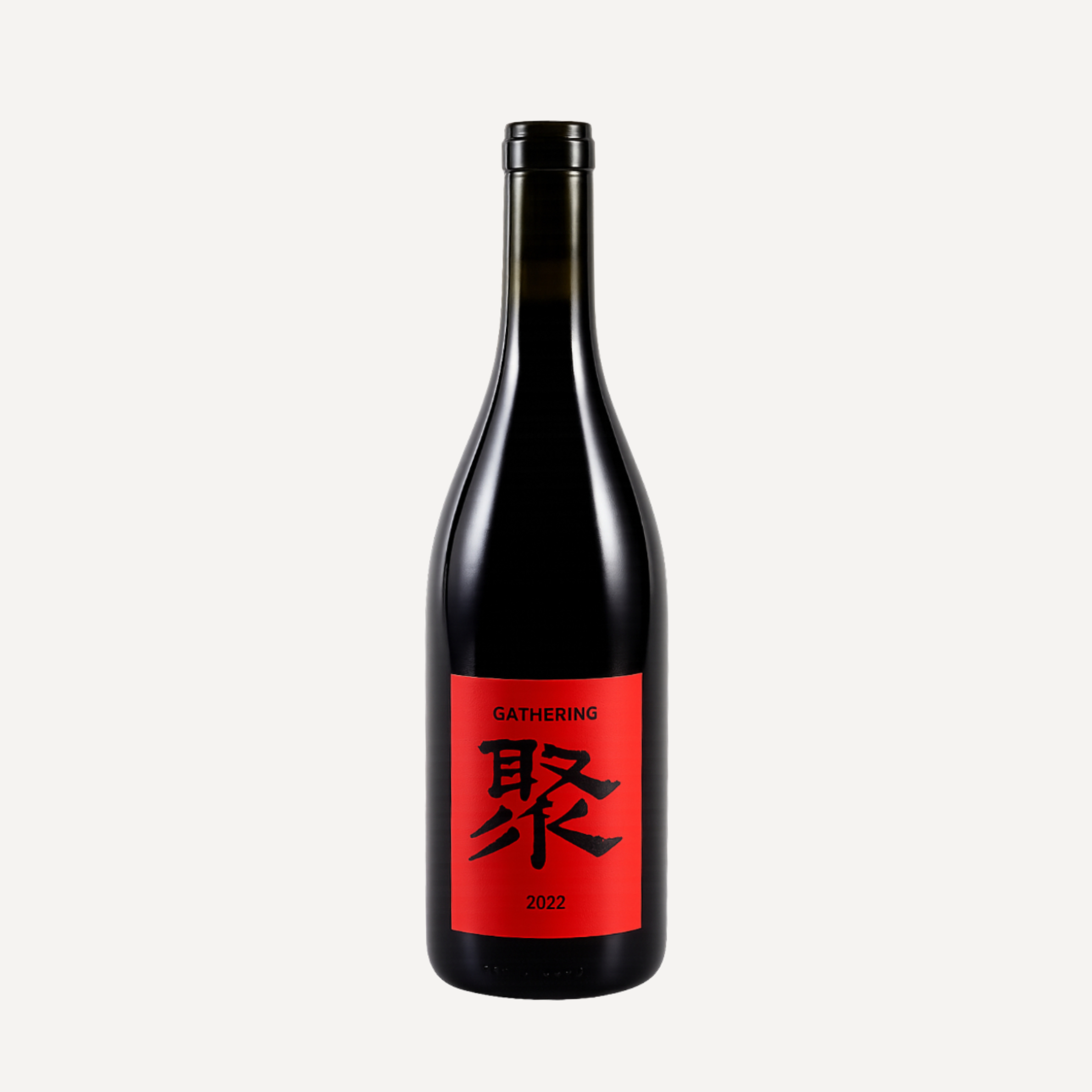
Type: Red Wine (Natural / Minimal Intervention / Light-Bodied Red Blend)
Region: Ningxia, China
Grapes: The exact recipe varies by vintage, but the release (such as the MV7) features grapes like Syrah, Pinot Noir, Chardonnay, Marselan, and Welschriesling.
Alcohol ABV: Approximately 12%
Tasting Profile and Key Notes
Aroma:
A fresh and aromatic natural red showing notes of red cherry, raspberry, strawberry, and cranberry. Floral hints of violet and rose petals combine with subtle herbal notes, spice, and a gentle earthy character. The wine carries a lifted, youthful perfume with a style focused on freshness rather than power.
Palate:
Light-bodied, juicy, and vibrant with crunchy red fruit flavours of cherry, raspberry, and pomegranate. Bright acidity provides energy, while fine tannins create a delicate structure and a slight savoury grip. The finish is clean and refreshing, with lingering notes of red berries, herbs, and subtle minerality.
Winemaking
The grapes are harvested by hand and fermented naturally with indigenous yeasts, following Xiao Pu’s minimal-intervention approach. Fermentation is carried out with gentle extraction to preserve freshness and aromatic purity, followed by ageing in neutral vessels before bottling. The wine is bottled with minimal additions, allowing the natural character of the fruit and vineyard sites to shine.
Farming
The grapes are sourced from vineyards in Ningxia, China, a high-altitude region known for its dry continental climate, strong sunlight, and significant day-night temperature variation. Xiao Pu works closely with growers using sustainable vineyard practices, focusing on healthy soils, balanced vines, and expressing the unique identity of Chinese terroir.
Bestsellers
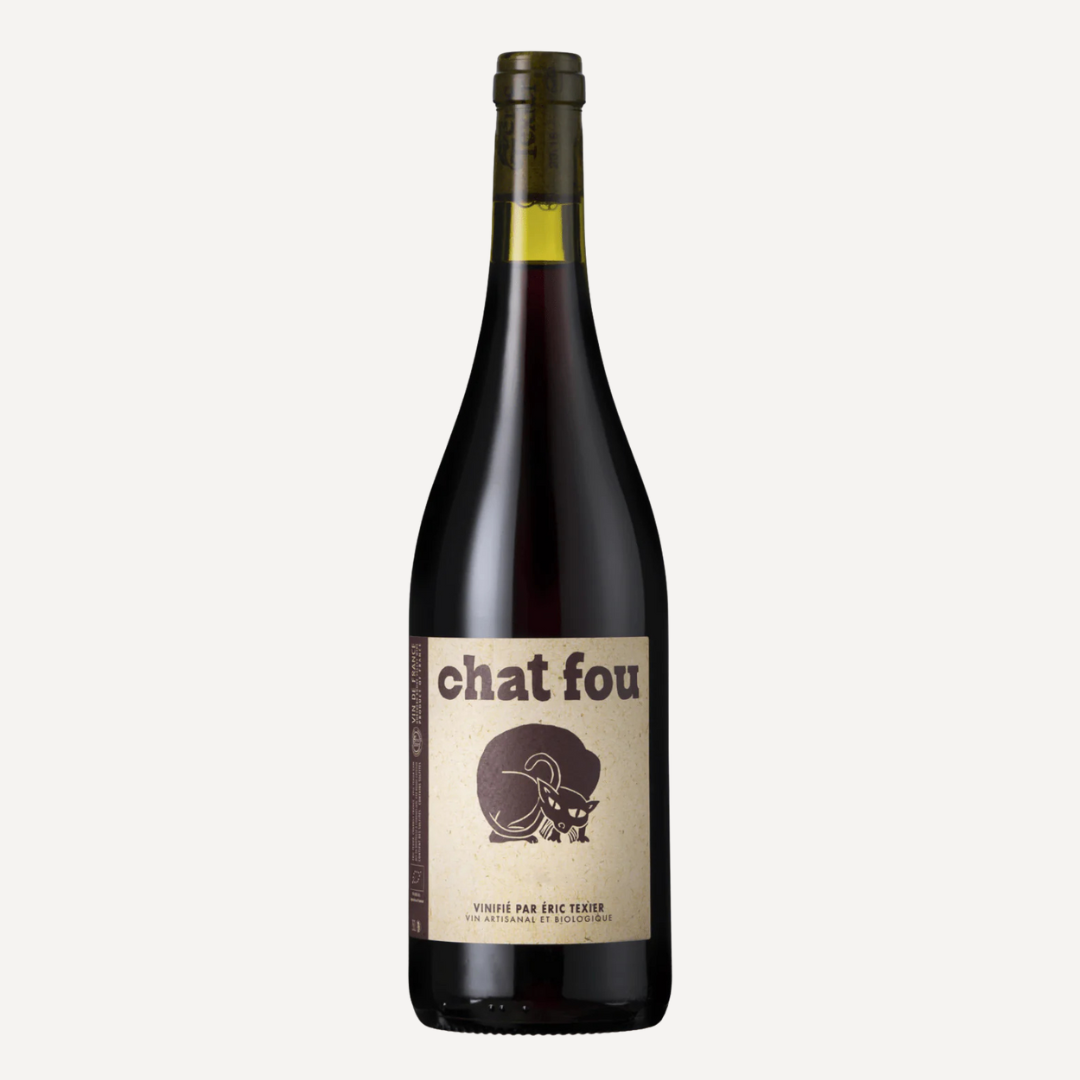
Type: Light Red Wine (Natural / Organic / Minimal Intervention / Chillable Red)
Region: Rhône Valley, France (Vin de France – Ardèche)
Grapes: 50% Grenache, 30% Cinsault, 20% Clairette
Alcohol ABV: 12.5%
Tasting Profile and Key Notes
Aroma:
A bright and lifted natural Rhône red showing aromas of fresh strawberry, raspberry, red cherry, and cranberry. The Grenache brings juicy red fruit and floral notes, while Cinsault adds elegance and spice. The addition of Clairette gives an extra aromatic lift with hints of white flowers, herbs, and a subtle mineral freshness.
Palate:
Light-bodied, vibrant, and refreshing with crunchy red fruit flavours of cherry, raspberry, and wild berries. The palate is silky with delicate tannins, bright acidity, and a savoury finish showing notes of pepper, herbs, and mineral freshness. Despite being a red wine, the 20% white grape component gives it an airy texture and makes it highly drinkable, especially slightly chilled.
Winemaking
The grapes are organically farmed and hand-harvested from granite and gneiss soils in the Ardèche region. The fruit is partially destemmed and co-fermented with indigenous yeasts in open concrete tanks, with a short maceration of around 4–5 days to preserve freshness and avoid heavy extraction. The wine is aged in concrete tanks on fine lees for around 12 months, then bottled unfined and unfiltered with minimal sulphur addition.
Farming
The vineyards are managed organically by Éric Texier, focusing on biodiversity, healthy soils, and traditional Rhône farming practices. The vines grow on granite-rich soils in the Ardèche, where the cooler mountain influence helps retain acidity and freshness. The terroir contributes to Chat Fou’s light, energetic style rather than a heavier Southern Rhône profile.

Type: Light to Medium Red (Natural / Low-Intervention)
Region: IGP Côtes Catalanes, Roussillon, France
Grapes: 50% Carignan, 50% Grenache Noir
Alcohol ABV: 13%
Tasting Profile and Key Notes
Aroma: A wild, savory mix of muddled blackberries, sour red cherries, crushed limestone, and a prominent streak of dried Mediterranean scrub (garrigue/maquis).
Palate: Fleshy but highly energetic; a snappy core of dark berry fruit is propelled by a bright, crunchy acidity and gentle, soft tannins, finishing with a salty, stony minerality.
Winemaking
The hand-harvested grapes (ranging from 20 to 120 years old) undergo a brief 2- to 3-day maceration with 100% whole clusters to emphasize fresh primary aromatics and light tannin structure. Spontaneous fermentation kicks off naturally using only native yeasts inside large, neutral concrete vats. The wine is aged entirely in these concrete tanks on its fine lees to preserve fruit clarity, before being bottled unfined and unfiltered with just a minimal dose of protective sulfur at bottling.
Farming
The estate consists of 30 hectares entirely situated in the mountainous commune of Caudiès-de-Fenouillèdes, tucked into the Eastern Pyrenees. Vines thrive at high elevations between 350 and 400 meters above sea level, where hot, sunny Mediterranean days are balanced by harsh winters and cool mountain evening drafts. The soil is a unique, impoverished matrix of clay and limestone mixed with pockets of schist and volcanic stones, which naturally restricts vine yields and injects a distinct mineral tension into the fruit.

Type: White Wine (Dry / Aromatic / Classic Marlborough Sauvignon Blanc Style)
Region: Marlborough, South Island, New Zealand
Grapes: 100% Sauvignon Blanc
Alcohol ABV: 12.5%
Tasting Profile and Key Notes
Aroma:
A vibrant and classic Marlborough Sauvignon Blanc showing expressive aromas of passionfruit, gooseberry, grapefruit, and lemon zest. Fresh herb notes of basil, sage, and green capsicum add complexity, while subtle floral tones and a hint of sea-spray minerality give the wine a refreshing coastal character.
Palate:
Dry, crisp, and energetic with refreshing acidity. The palate delivers flavours of passionfruit, kiwi, green apple, citrus, and gooseberry, balanced by herbal notes and a subtle wet-stone mineral character. The texture is clean and juicy, with a lively finish that combines tropical fruit richness with Marlborough’s signature freshness.
Winemaking
The grapes are sourced from sustainable vineyards in Marlborough, where the cool maritime climate helps preserve Sauvignon Blanc’s aromatic intensity and natural acidity. The wine is fermented under temperature-controlled conditions, primarily in stainless steel tanks, to retain the variety’s fresh fruit, herbaceous character, and purity. The wine is crafted for early enjoyment, focusing on vibrancy, freshness, and varietal expression.
Farming
Inviniti Sauvignon Blanc is produced from sustainably farmed vineyards in Marlborough, a region recognised for producing some of the world’s most expressive Sauvignon Blanc. The cool climate, long sunlight hours, and maritime influence allow grapes to develop intense tropical fruit flavours while maintaining bright acidity and freshness. The wine is also produced with carbon-zero and vegan-friendly practices.

Type: Light Red (Natural / Low-Intervention)
Region: AOC Bourgogne, Burgundy, France
Grapes: 100% Pinot Noir
Alcohol ABV: 12.5%
Tasting Profile and Key Notes
Aroma: Wild raspberry, sour Morello cherry, rooibos tea, and a wet, stony forest-floor earthiness.
Palate: Highly fluid, vibrant, and pure. Crunchy red-currant and bramble layers zip across a limestone mineral track, framed by fine-grained, delicately sticky tannins and a classic, peppery finish.
Winemaking
The hand-harvested grapes undergo a whole-cluster, indigenous-yeast fermentation in temperature-controlled stainless steel vats to foster bright aromatics and preserve primary fruit snap. Following a gentle press, the wine is transferred into older, neutral 225L and 228L French oak barrels where it rests on its fine lees for 8 months. The final components are blended and bottled completely unfined and unfiltered, with only a minimal, protective trace of sulfur added before corking.
Farming
Winemaker Valentin Montanet sources this fruit from organically farmed plots featuring old vines (some averaging 60 years of age) situated across the cooler, limestone-rich soils of the Yonne and northern Burgundy.The vineyards thrive on classic slopes composed of Kimmeridgian clay and dense limestone, giving the fruit a signature structural tension. Harvesting is handled entirely by hand with meticulous sorting in the vineyard to ensure only pristine fruit enters the low-intervention cellar.
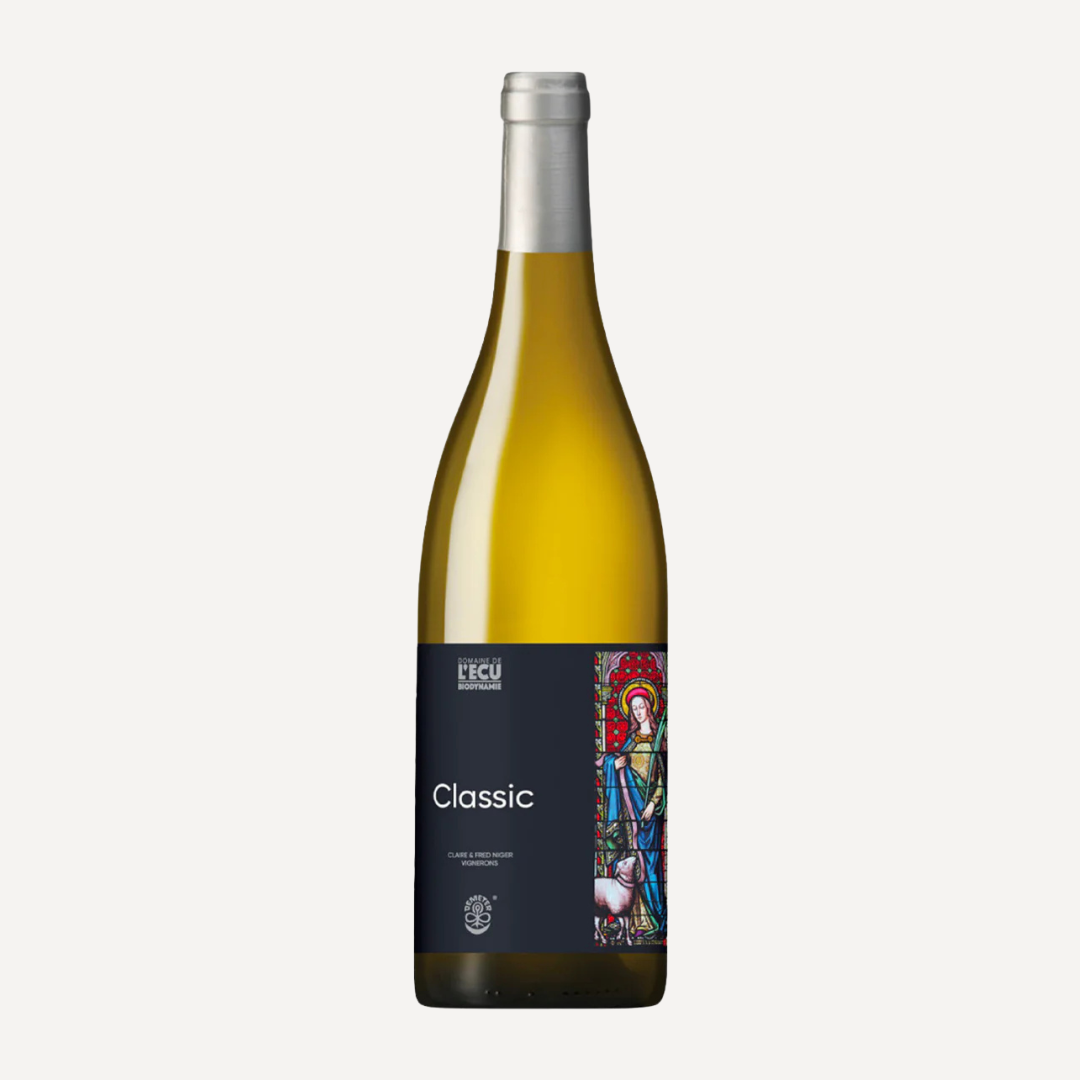
Type: White Wine (Natural / Organic / Biodynamic / Minimal Intervention)
Region: Muscadet Sèvre-et-Maine, Loire Valley, France
Grapes: 100% Melon de Bourgogne
Alcohol ABV: 12%
Tasting Profile and Key Notes
Aroma:
Pure and crystalline with aromas of lime zest, grapefruit, green apple, pear, and white flowers. Subtle smoky notes, wet stone minerality, and a delicate waxy character add complexity, reflecting the unique terroir-driven expression of Melon de Bourgogne.
Palate:
Dry, precise, and beautifully balanced, showing bright citrus flavours, fresh orchard fruits, and a distinct saline character. The palate combines a rich, rounded texture from lees ageing with a vibrant mineral tension, creating a long, refreshing finish reminiscent of sea breeze and crushed stone. This is a classic gastronomic Muscadet with excellent freshness and versatility, especially with oysters and seafood.
Winemaking
The grapes are hand-harvested from organically and biodynamically farmed vineyards before undergoing gentle whole-cluster pneumatic pressing. Fermentation occurs naturally with indigenous yeasts, followed by ageing on fine lees in underground concrete tanks to develop texture while preserving freshness and purity. The wine is bottled without fining or filtration, reflecting Domaine de L’ECU’s low-intervention approach.
Farming
Domaine de L’ECU has practiced organic farming since 1975 and has been Demeter biodynamic certified since 1998. The Melon de Bourgogne vines grow on siliceous soils with metamorphic rock subsoil in the Pays Nantais, where the cool maritime climate and mineral-rich terroir contribute to the wine’s freshness, salinity, and distinctive Atlantic character.
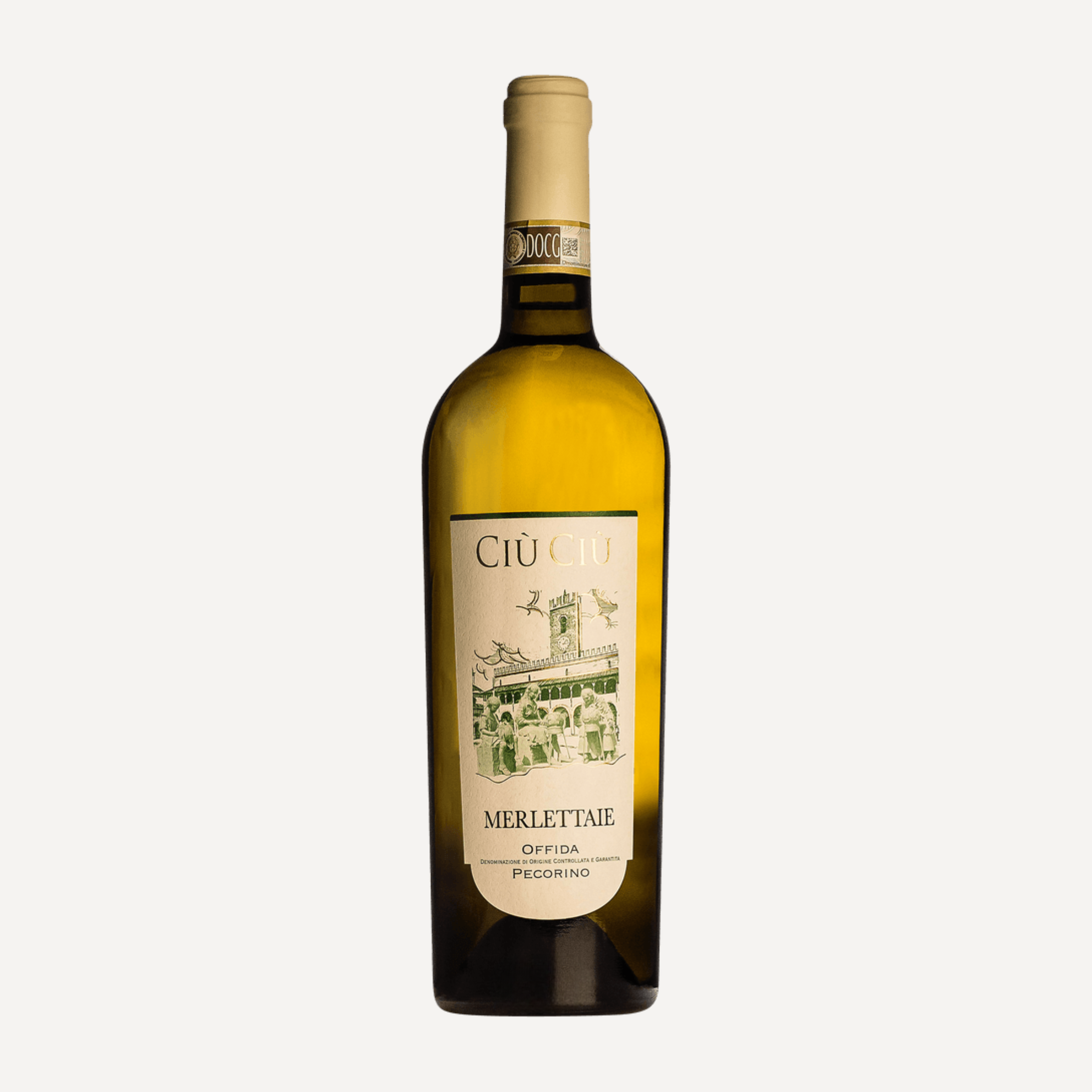
Type: White Wine (Organic / Traditional / Textured Italian White)
Region: Offida DOCG, Marche, Italy
Grapes: 100% Pecorino
Alcohol ABV: 14%
Tasting Profile and Key Notes
Aroma:
An expressive and elegant Pecorino showing aromas of lemon zest, yellow apple, pear, and white peach, layered with wild herbs, hawthorn blossom, and delicate floral notes. Subtle hints of vanilla, almond, and Mediterranean herbs develop from barrel ageing, adding richness and complexity while maintaining freshness.
Palate:
Medium to full-bodied with a beautiful balance between freshness and texture. The palate delivers flavours of citrus, ripe pear, orchard fruits, and herbal nuances, supported by bright acidity and a distinct saline minerality. A gentle creamy texture from lees contact and oak ageing gives depth, while the finish remains clean, savoury, and persistent.
Winemaking
The organically farmed Pecorino grapes are hand-harvested from vineyards around Offida and Acquaviva Picena before undergoing fermentation in medium-sized oak barrels. The wine remains on its fermentation lees for approximately 6 months in oak, followed by around 3 months of bottle ageing to develop texture and complexity. The winemaking focuses on preserving the natural freshness of Pecorino while adding subtle richness through traditional barrel maturation.
Farming
The vineyards are located in the rolling hills of Marche’s Piceno area, between Offida and Acquaviva Picena, where Pecorino thrives in a warm Mediterranean climate moderated by Adriatic sea breezes. Ciù Ciù farms organically, with vines planted on mineral-rich hillside soils that contribute to the grape’s natural acidity, salinity, and aromatic intensity.
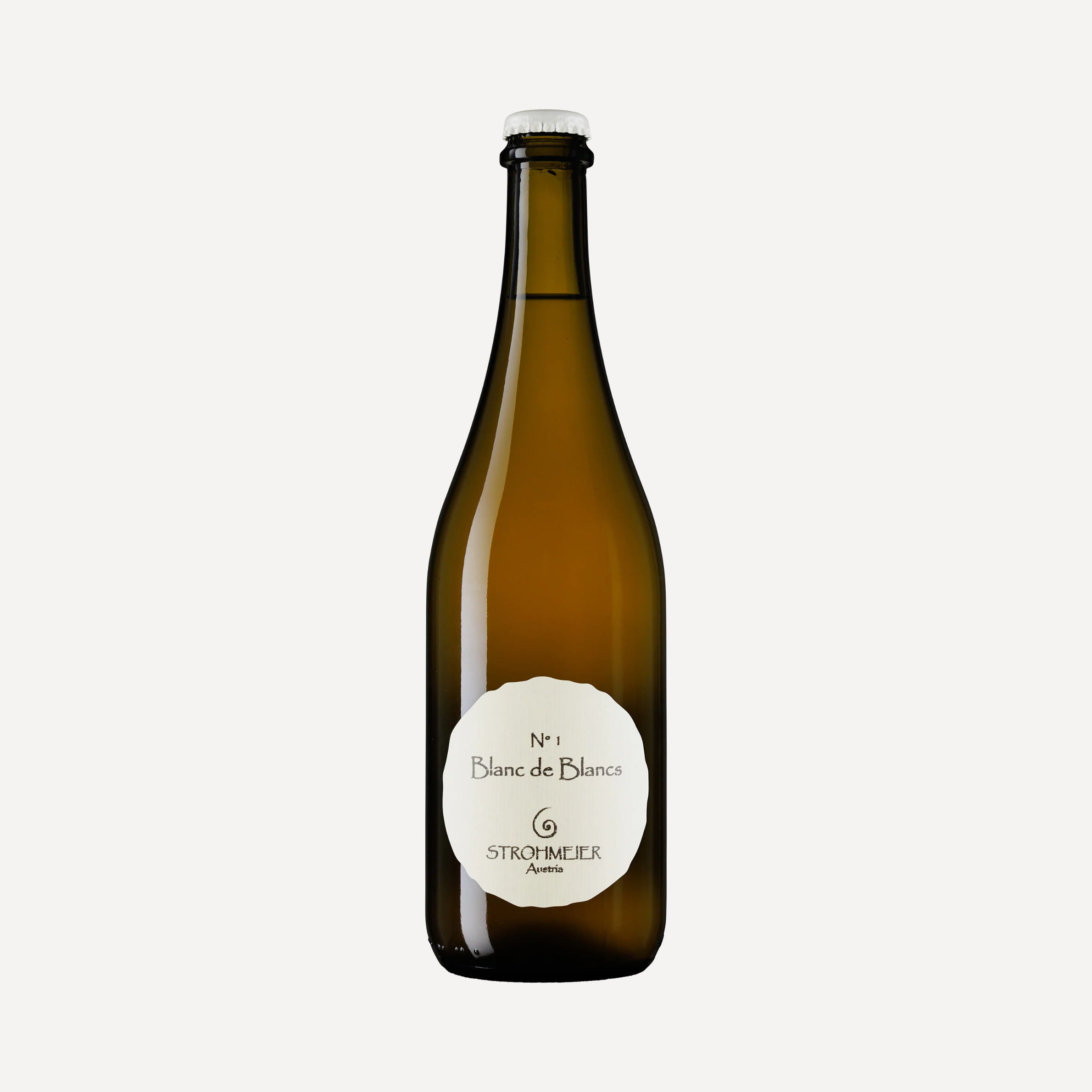
Type: Sparkling White Wine (Pét-Nat / Natural / Minimal Intervention)
Region: Weststeiermark (Styria), Austria
Grapes: Sauvignon Blanc, Pinot Blanc (Weissburgunder) & Bronner (approximately equal proportions)
Alcohol ABV: 11.5%
Tasting Profile and Key Notes
Aroma:
Fresh and vibrant with aromas of lime zest, grapefruit, green apple, white peach, and pear. Delicate notes of wildflowers, freshly cut herbs, passionfruit, and wet stone are complemented by a subtle yeasty complexity from bottle fermentation, creating a lively and mineral-driven bouquet.
Palate:
Light-bodied, energetic, and beautifully dry with fine, lively bubbles. Bright citrus, crisp orchard fruits, and subtle tropical notes are supported by racy acidity and a pronounced saline minerality. The finish is clean, taut, and refreshing, with a delicate savoury edge that makes it exceptionally food-friendly.
Winemaking
The grapes are hand-harvested and fermented spontaneously with indigenous yeasts before being bottled while fermentation is still active using the ancestral (Pét-Nat) method. The wine completes fermentation in bottle, creating its natural sparkle without secondary fermentation or dosage. Produced with minimal intervention, it is bottled unfined and unfiltered, allowing the wine to retain its vibrant energy and authentic expression.
Farming
The fruit comes from Franz Strohmeier's organically and biodynamically farmed vineyards in Weststeiermark, where vines grow on steep slopes of weathered gneiss and schist soils. The cool Alpine climate, significant diurnal temperature variation, and biodiversity-focused farming produce wines with remarkable freshness, precision, and mineral expression, reflecting the estate's philosophy of "Trauben, Liebe und Zeit" ("Grapes, Love and Time").

Type: White Wine (Organic / Biodynamic / Minimal Intervention)
Region: Rías Baixas DO (Val do Salnés), Galicia, Spain
Grapes: 100% Albariño
Alcohol ABV: 13%
Tasting Profile and Key Notes
Aroma:
A beautifully aromatic Albariño with lifted notes of white peach, lemon zest, lime, green apple, and pear. Delicate aromas of citrus blossom, white flowers, sea spray, and wet granite are complemented by subtle hints of honey and lees-derived pastry notes, creating a wine that is both vibrant and complex.
Palate:
Medium-bodied with bright acidity and a beautifully textured mouthfeel. Flavours of citrus, white peach, green apple, and ripe pear are layered with saline minerality, wet stone, and a subtle creamy richness from extended lees ageing. The finish is long, precise, and distinctly maritime, with a refreshing mineral edge.
Winemaking
Shanela is produced from a single biodynamically farmed vineyard in Val do Salnés, the heart of Rías Baixas. Whole clusters are gently pressed before cold fermentation with indigenous yeasts. The wine spends approximately 12 months on its fine lees, followed by an additional year in stainless steel before bottling with minimal sulphur. This extended maturation gives the wine remarkable texture and complexity while preserving Albariño's freshness. Around 5,000 bottles are produced annually.
Farming
Although best known for Rioja, David Sampedro (Bodegas Bhilar) also farms a small parcel in Val do Salnés, just 5 km from the Atlantic Ocean. The old Albariño vines grow on sandy granite soils with constant Atlantic influence, producing wines with pronounced salinity, freshness, and mineral character. The vineyard is farmed according to organic and biodynamic principles, reflecting Bhilar's philosophy of minimal intervention and respect for nature.

Type: White Wine (Organic / Fresh & Textural / Minimal Intervention)
Region: Navarra, Spain
Grapes: 100% Viura
Alcohol ABV: 13%
Tasting Profile and Key Notes
Aroma:
Fresh and expressive with aromas of white peach, pear, green apple, and citrus peel. Delicate notes of fennel, fresh green tea, and white flowers add an herbal complexity, while a subtle mineral character reflects the clay-loam soils of Navarra.
Palate:
Dry, medium-bodied, and beautifully textured with refreshing acidity. The palate shows flavours of white peach, lemon, pear, and green tea, complemented by a gentle creamy texture from lees ageing. Mineral notes and a clean, slightly saline finish give the wine excellent freshness and length.
Winemaking
The 100% Viura grapes are harvested from vineyards in Navarra and fermented naturally with wild yeasts in tanks at controlled temperatures around 15–16°C. The wine is aged on its fine lees with regular bâtonnage for approximately 4 months, creating additional texture and complexity while preserving the purity and freshness of the variety.
Farming
Bodegas Tandem works with vineyards in Navarra, a region influenced by both Atlantic and Mediterranean climates. The vineyards are planted on clay-loam soils, where warm days allow ripe fruit development while cooler conditions help maintain acidity and freshness. Sustainable vineyard practices and careful harvesting aim to express the natural character of Viura and the Navarra terroir.

Type: Orange Wine (Natural / Skin-Contact / Minimal Intervention)
Region: Yamagata Prefecture, Japan
Grapes: 85% Delaware, 15% Niagara
Alcohol ABV: 11.5%
Tasting Profile and Key Notes
Aroma:
Fresh and expressive aromas of mandarin orange, orange peel, ripe grape, white peach, and citrus blossom. The wine carries a distinctive Japanese table grape character, showing delicate floral notes, subtle candy-like fruitiness, and hints of fresh herbs.
Palate:
Light-bodied, vibrant, and refreshing with juicy citrus and orchard fruit flavours. Gentle skin contact provides a subtle phenolic texture and grip, while bright acidity lifts the palate and keeps the finish clean, lively, and easy-drinking. The finish shows a pleasant balance of fruit sweetness, slight bitterness, and mineral freshness.
Winemaking
The grapes are 100% destemmed and undergo spontaneous fermentation with indigenous yeasts, followed by 6–14 days of skin maceration in amphora and fibre tanks. The wine is then aged with approximately 65% in amphora and 35% in stainless steel tanks before bottling. Made without clarification, filtration, or added sulfur, Arancione reflects Grape Republic’s natural winemaking philosophy and pure expression of Japanese fruit.
Farming
The grapes are sourced from vineyards in Yamagata Prefecture, where the cool climate and large diurnal temperature variation help preserve freshness and aromatic intensity. Grape Republic works closely with local growers using low-intervention farming practices, allowing native grape varieties such as Delaware and Niagara to express their unique Japanese terroir and natural character.
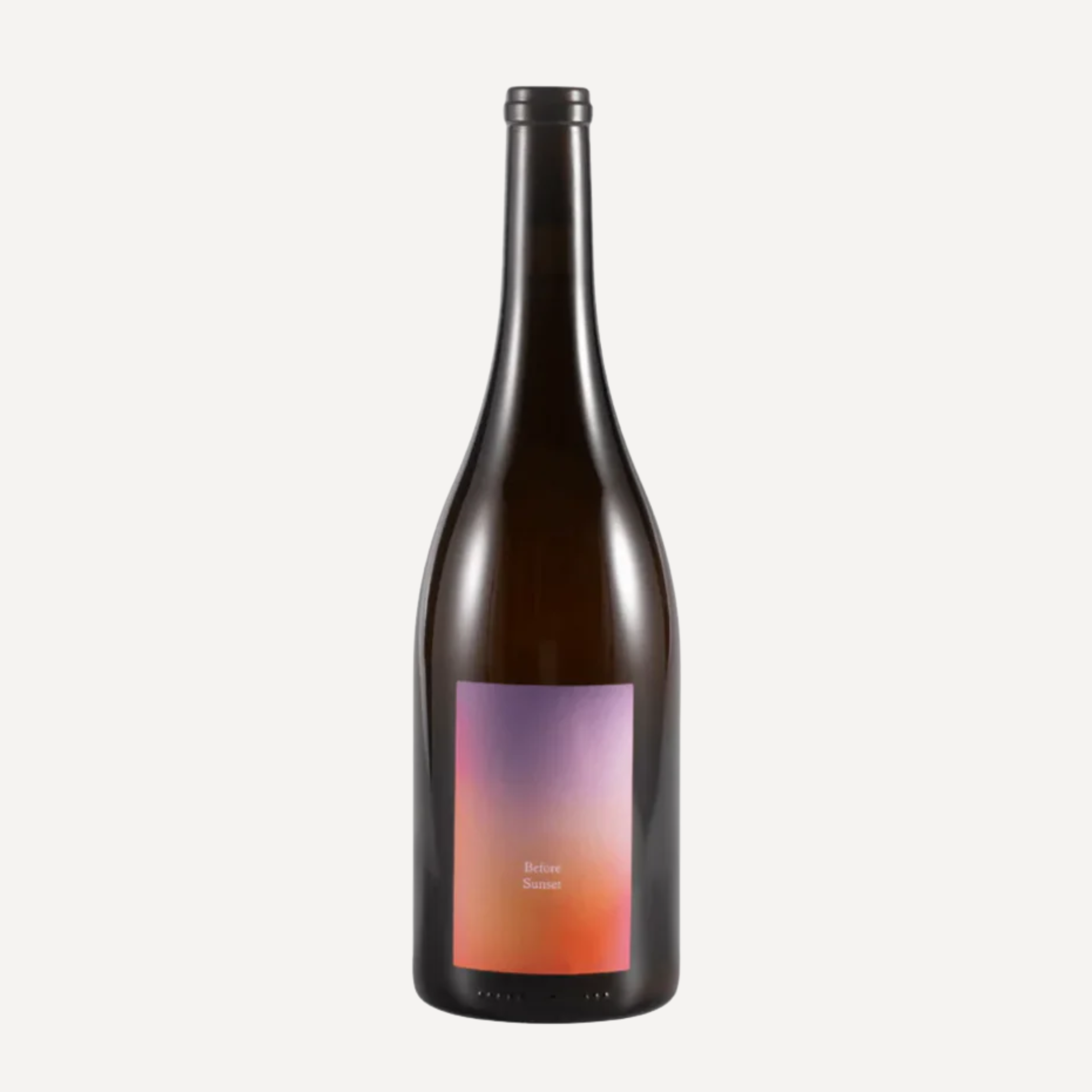
Type: Orange Wine (Skin-Contact / Natural / Minimal Intervention)
Region: Ningxia, China
Grapes: 100% Gewürztraminer (also known as Traminer; some sources note the aromatic Traminer family expression)
Alcohol ABV: 12.1%
Tasting Profile and Key Notes
Aroma:
Highly aromatic and expressive, showing classic Gewürztraminer characters of lychee, rose petals, jasmine, and orange blossom. Extended skin contact adds layers of tangerine peel, dried apricot, ginger, herbal tea, and exotic spice, creating a complex bouquet that bridges floral elegance with savoury orange wine character.
Palate:
Medium-bodied with a rich, textured mouthfeel and gentle phenolic grip from skin maceration. Flavours of apricot, mandarin, grapefruit, star fruit, and candied citrus are balanced by refreshing acidity and subtle tea-like bitterness. The finish is long and savoury, showing notes of oolong tea, ginger, herbs, and citrus peel, giving the wine both aromatic intensity and structural depth.
Winemaking
The Gewürztraminer grapes undergo spontaneous fermentation with indigenous yeasts and extended skin contact, creating the wine’s distinctive amber colour, aromatic complexity, and textured palate. The wine is aged in old oak barrels for approximately several months before bottling, with minimal intervention and without heavy adjustment to preserve the natural expression of the grape.
Farming
The grapes are sourced from vineyards in Ningxia, China, a high-altitude wine region known for its dry continental climate, strong sunlight, and significant day-night temperature variation. Xiao Pu works closely with local vineyards to explore natural farming and low-intervention viticulture, allowing aromatic varieties such as Gewürztraminer to express freshness, intensity, and regional character.