
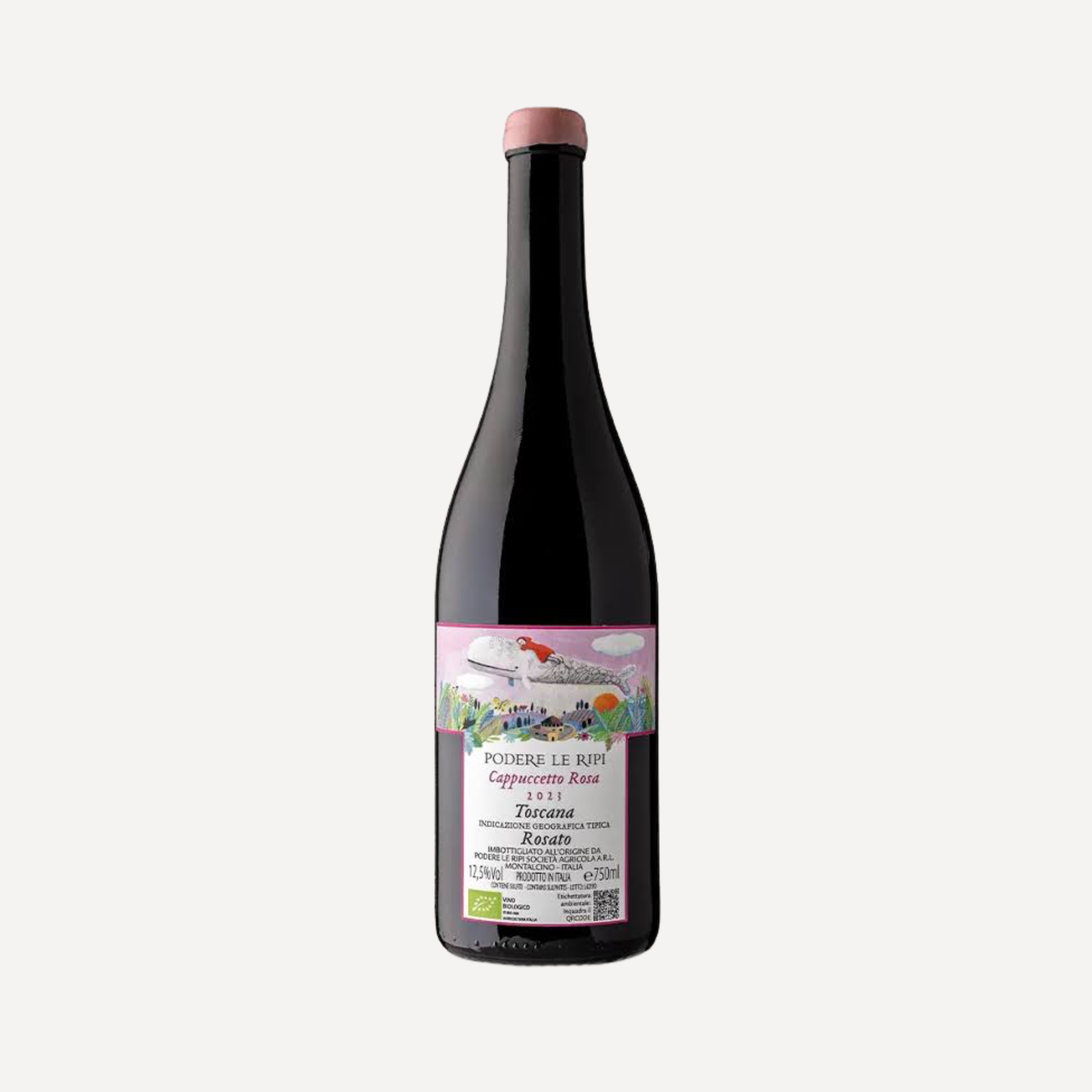
Type: Rosé Wine (Dry / Biodynamic / Natural / Textural)
Region: Montalcino, Tuscany, Italy — Toscana Rosato IGT
Grapes: 100% Sangiovese
Alcohol ABV: 12.5%
Tasting Profile and Key Notes
Aroma:
Bright and expressive, with fresh raspberry, redcurrant, wild strawberry, blood orange and orange zest. Floral notes of rose, jasmine and wild flowers add elegance, while a subtle herbal note reminiscent of sage gives the nose a savoury Tuscan character.
Palate:
Dry, fresh and surprisingly structured for a rosé. Juicy red berries and citrus are supported by vibrant acidity, a pleasant saline character, and very fine tannins. The finish is clean, savoury and slightly bitter-citrusy, giving it considerably more gastronomic character than a simple fruit-driven rosé.
Winemaking
The 2023 vintage is made from a dedicated Sangiovese vineyard, harvested specifically for rosé production. The grapes undergo spontaneous fermentation with indigenous yeasts and approximately 24 hours of skin maceration, followed by gentle pressing. The wine is then aged for around 11 months between stainless steel and concrete, allowing the wine to retain freshness while developing additional texture and depth.
Farming
Podere Le Ripi is a biodynamic estate in Montalcino, founded by Francesco Illy, with a strong focus on biodiversity and regenerative viticulture. The Cappuccetto Rosa vineyard is planted at approximately 6,000 vines per hectare, on relatively young sedimentary alluvial soils containing a mixture of galestro, alberese and granitic material. The grapes are harvested manually, helping preserve freshness and fruit purity.
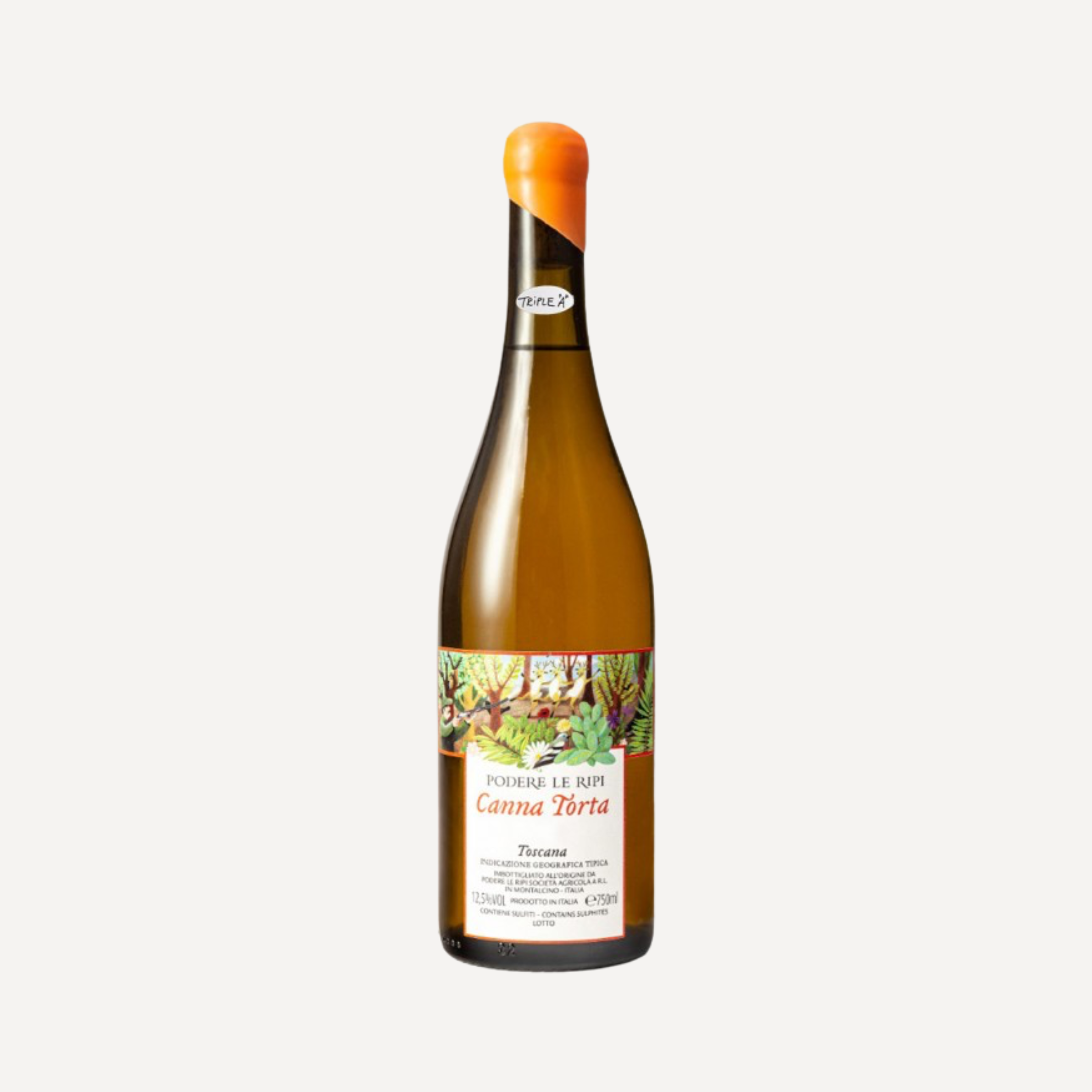
Type: Orange Wine (Skin-Contact / Amphora / Biodynamic / Natural)
Region: Montalcino, Tuscany, Italy — Toscana Bianco IGT
Grapes: 50% Malvasia, 50% Trebbiano
Alcohol ABV: 12%
Tasting Profile and Key Notes
Aroma:
Bright yet complex, with yellow apple, ripe pear, peach, grapefruit, mandarin and citrus peel. There are delicate floral notes alongside honey, dried herbs, chamomile and a subtle waxy character. With air, the wine develops more savoury and mineral notes, giving it considerably more depth than a typical Tuscan white.
Palate:
Dry, fresh and textural, with a noticeable but fine tannic grip from the skin contact. Fresh apple, lemon, grapefruit and orchard fruit are balanced by lively acidity and a savoury, mineral character. The finish is dry and slightly bitter, with citrus peel, herbs and subtle nutty notes. It has the unusual combination of white-wine freshness with the structure and tactile grip of a light red.
Winemaking
The grapes are organically grown and harvested by hand. The 2023 vintage is made with indigenous yeasts and fermentation/maceration in terracotta amphorae, giving the wine its amber colour, texture and gentle tannic structure. Sources differ on the exact maceration duration, but the producer's technical information confirms amphora fermentation and subsequent maturation; specialist listings describe approximately 12 months of ageing in terracotta and/or concrete.
Farming
Podere Le Ripi is a biodynamic estate in Montalcino, founded by Francesco Illy, with a strong focus on biodiversity, soil health and low-intervention viticulture. The 2023 Canna Torta uses organically grown grapes, with vineyards planted at around 6,000 vines/hectare and harvested manually.
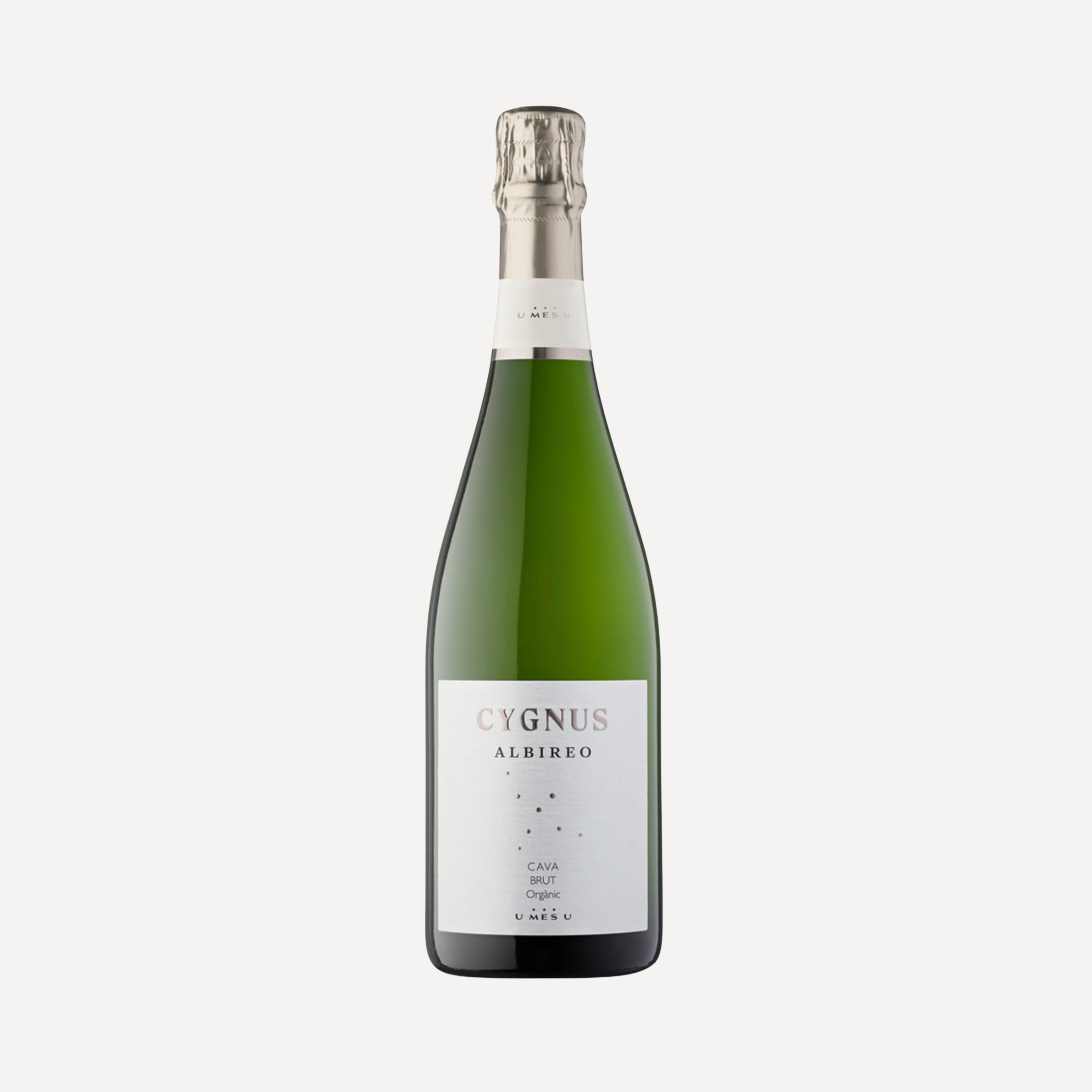
Type: Sparkling Wine (Cava / Brut / Organic / Traditional Method)
Region: Alt Penedès, Catalonia, Spain — DO Cava
Grapes: 45% Xarel·lo, 30% Parellada, 25% Macabeo
Alcohol ABV: 11.5%
Tasting Profile and Key Notes
Aroma:
Fresh and expressive, with aromas of green apple, pear, white peach and lemon zest, followed by delicate floral notes. There are subtle hints of brioche, fresh bread and light lees character from bottle ageing, but the primary fruit remains the focus.
Palate:
Dry, lively and refreshing, with a fine, well-integrated mousse. Crisp apple, pear and citrus flavours are balanced by bright acidity and a gentle creamy texture. A subtle saline and lightly yeasty character appears towards the finish, giving the Cava more complexity without making it heavy. The 8.5 g/L dosage gives it a gently rounded, fruity finish while remaining firmly in the Brut category.
Winemaking
The must is clarified and fermented under temperature-controlled conditions at around 16–17°C. The three varieties are then blended before undergoing secondary fermentation in bottle using the traditional method. The Cava spends approximately 12–18 months on its lees, developing subtle autolytic complexity while retaining its fresh, fruity character.
Farming
U Mes U farms organically and sustainably in the Alt Penedès, with vineyards located at around 350 metres elevation. The winery is certified organic by CCPAE and places strong emphasis on sustainable vineyard and winery practices. The relatively elevated sites help preserve acidity and freshness in the Mediterranean climate.
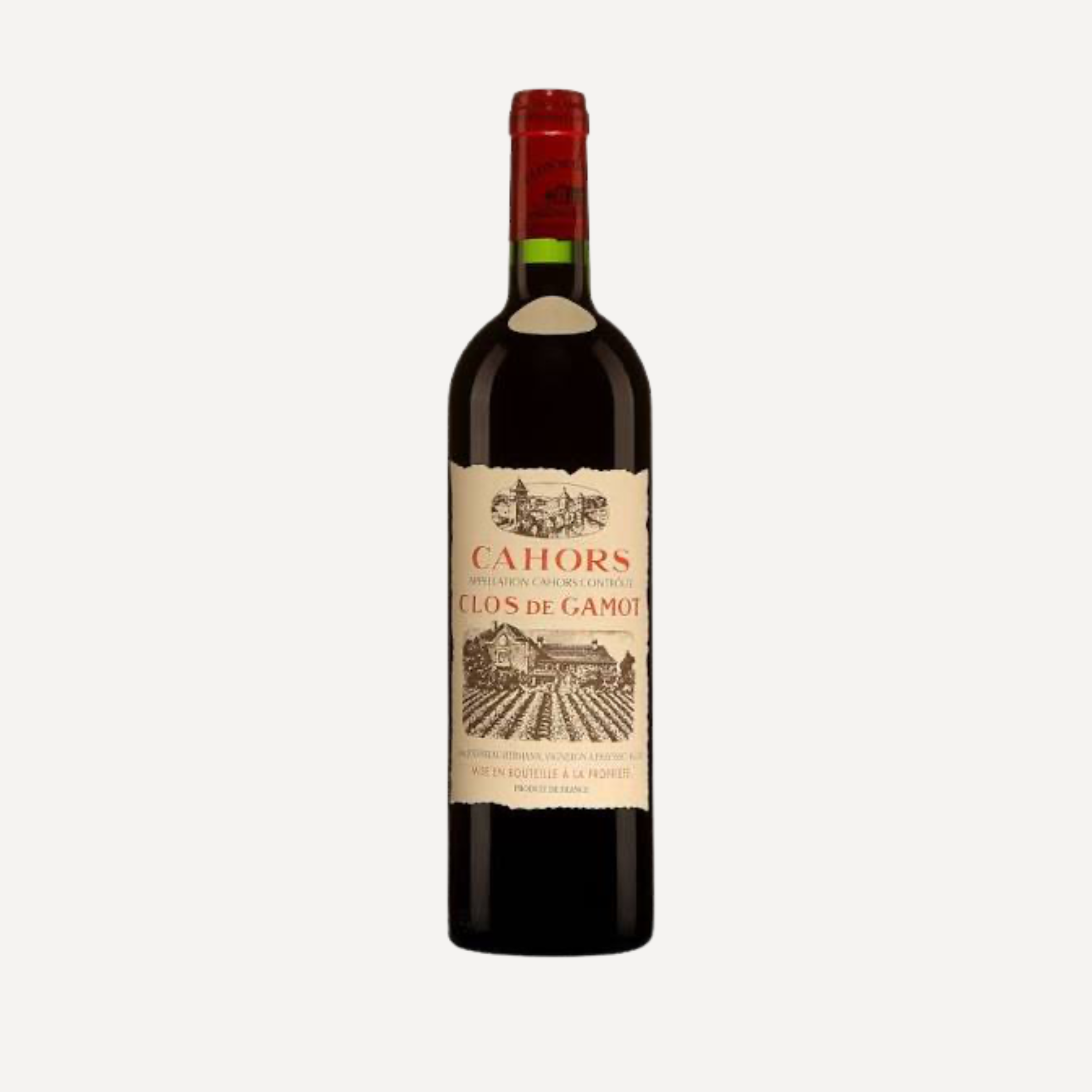
Type: Red Wine (Full-bodied / Traditional Cahors / Old-Vine Malbec)
Region: Cahors, South-West France
Grapes: 100% Malbec
Alcohol ABV: 13.5%
Tasting Profile and Key Notes
Aroma:
Deep and expressive, showing blackberry, black cherry, blackcurrant and violet, with characteristic notes of liquorice, graphite and dark minerals. With air, more savoury layers of dried herbs, earth, subtle spice and gentle oak emerge. The combination of dark fruit and mineral character gives the wine a distinctly rustic yet elegant Cahors profile.
Palate:
Dry, full-bodied and structured, with concentrated dark fruit supported by firm but polished tannins and fresh acidity. Blackberry, black cherry and plum are joined by liquorice, graphite and subtle earthy notes. The texture is generous and supple through the middle, while the finish is long, savoury and mineral-driven.
Winemaking
The vineyards are made up of different parcels, which are vinified separately in small-volume vats to preserve the character of each terroir. Fermentation is followed by approximately 21 days of maceration, with gentle remontage to extract colour and tannin without excessive harshness. The wine is then matured in large foudres and demi-muids for approximately 18–24 months, giving the Malbec time to develop complexity while keeping the oak relatively integrated.
Farming
Clos de Gamot is a historic family estate in Cahors, with the Jouffreau family having worked the vineyard for centuries. The estate covers around 18 hectares on clay-limestone soils with rounded stones, flint and red clay, and some of the vines still producing fruit are more than 120 years old. The vineyards are worked by hand and through traditional soil cultivation, with old-vine parcels harvested manually.
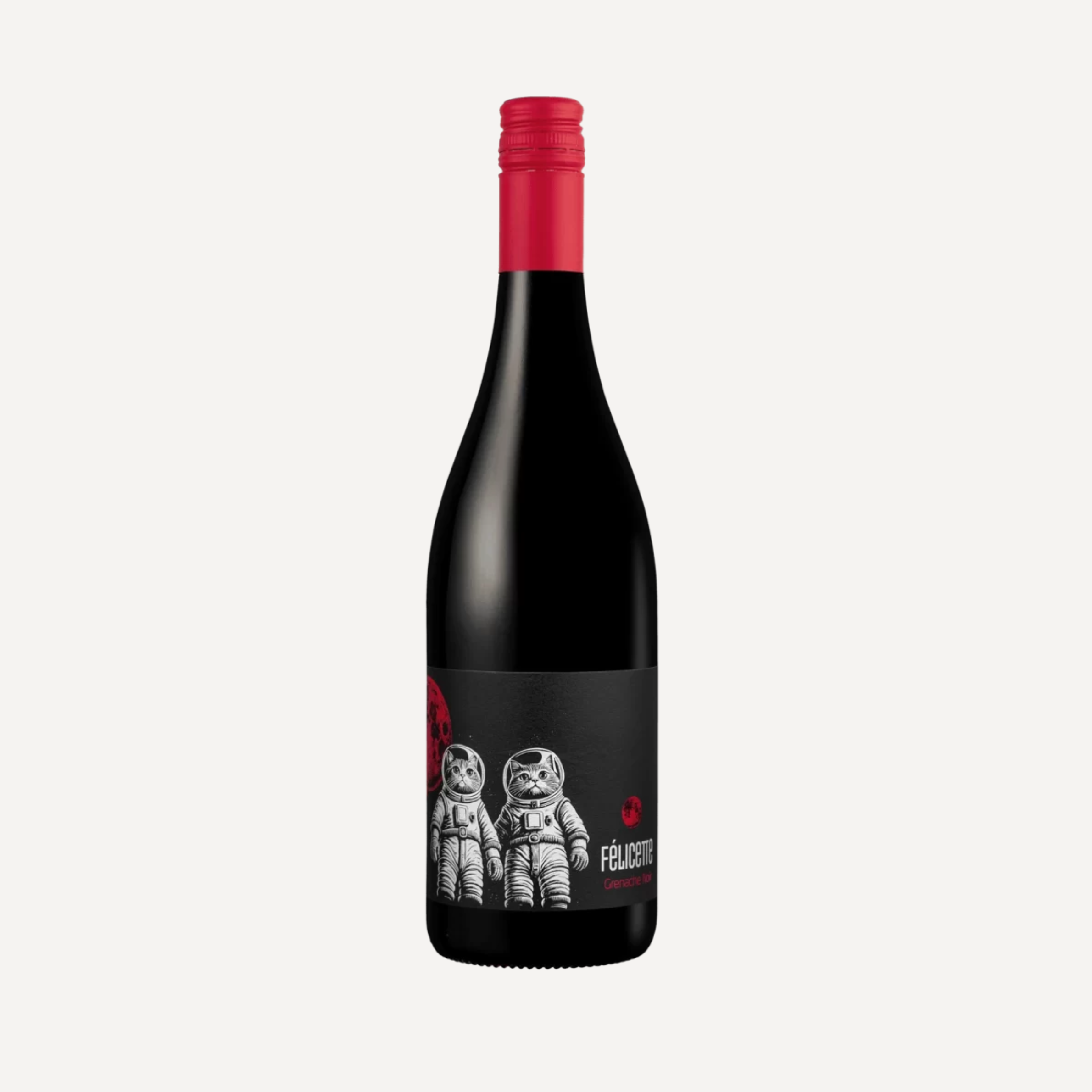
Type: Red Wine (Dry / Fruity / Soft & Juicy / Mediterranean Style)
Region: Languedoc & South-West France, France
Grapes: 100% Grenache Noir
Alcohol ABV: 13–14%
Tasting Profile and Key Notes
Aroma:
Bright and expressive, with aromas of ripe raspberry, strawberry, red cherry and plum. As it opens, the nose develops more distinctive notes of violet, sweet spices, vanilla and a subtle banana-like character. The overall profile is generous and perfumed, with the warm Mediterranean climate giving the fruit a ripe, juicy quality.
Palate:
Medium-bodied, soft and juicy with ripe red and dark fruit flavours. Raspberry, cherry and plum are supported by gentle spice and floral notes of violet. The tannins are deliberately soft and rounded, making the wine smooth and immediately approachable rather than structured or heavy.
Winemaking
The grapes are destemmed before being treated with a combination of hot and cold maceration to extract colour and preserve varietal fruit character. Fermentation takes place at controlled temperatures with gentle pump-overs, extracting softer tannins rather than aggressive structure. The different pressings are blended and the wine is matured in stainless-steel tanks, with no oak ageing, to preserve its fresh, fruit-driven character.
Farming
The vineyards are located in southern France between the Pyrenees and the Mediterranean, benefiting from a warm, dry Mediterranean climate. The vineyards include sandy and silty soils, together with chalk-clay hillside sites. These conditions favour ripe, expressive Grenache while allowing the wine to retain enough freshness for easy drinking
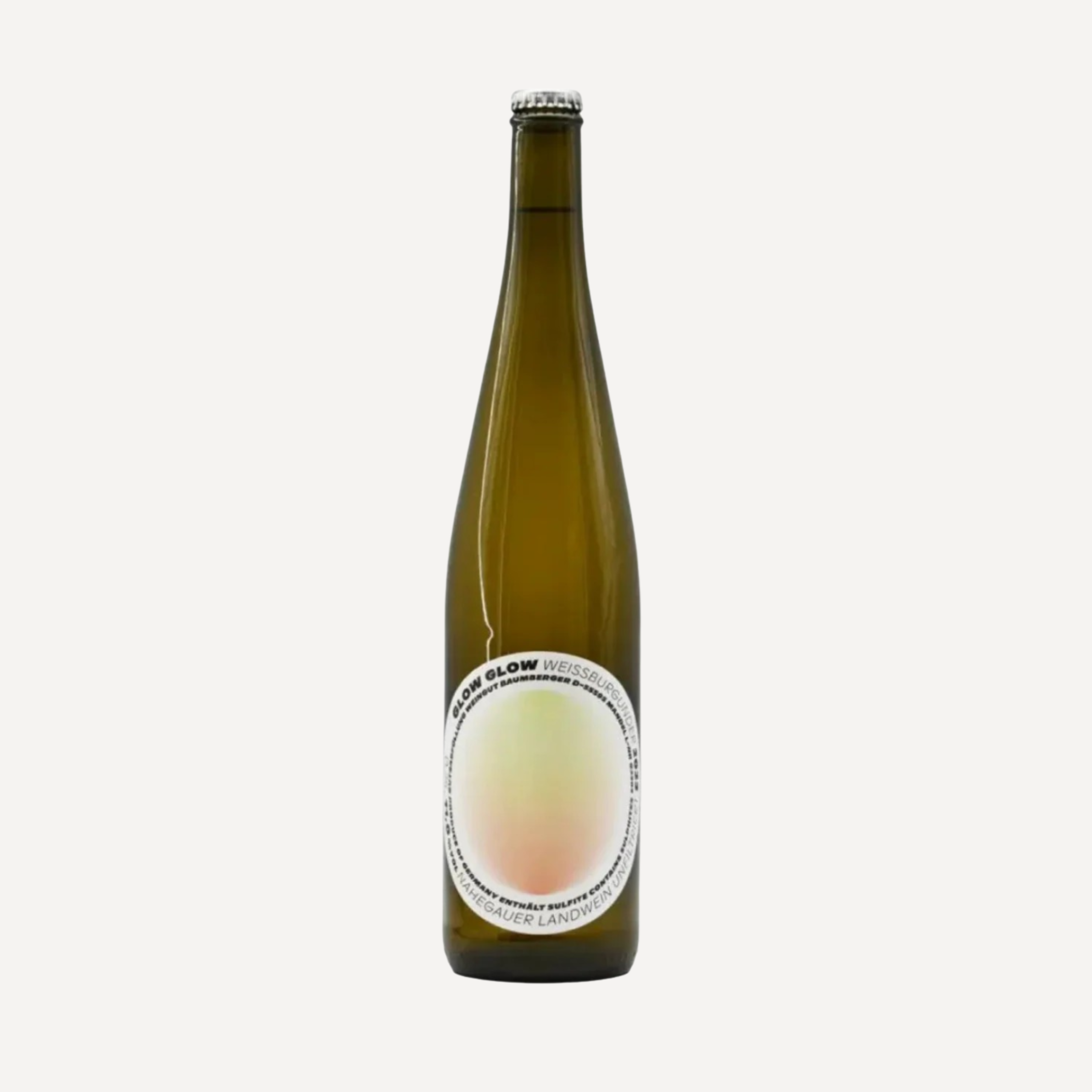
Type: White Wine (Natural / Organic / Minimal Intervention / Fresh & Textural)
Region: Nahe, Germany
Grapes: 100% Weissburgunder (Pinot Blanc)
Alcohol ABV: Not independently confirmed for the single-variety 2024 bottling
Tasting Profile and Key Notes
Aroma:
Fresh and bright, with aromas of green apple, lemon, pear, and citrus peel. There is also a subtle herbal character, with hints of freshly cut grass and white flowers. The nose is initially quite restrained, but opens with air to reveal more depth and freshness.
Palate:
Crisp, juicy, and energetic with lively acidity and a gentle creamy texture. Green apple and citrus flavours dominate, supported by a subtle herbal character and fine mineral freshness. It starts very easy-going, but develops more tension and complexity as it opens, finishing clean, dry, and refreshing.
Winemaking
The 2024 Weissburgunder was bottled as a single-variety wine after the team found the individual barrel particularly expressive during winter tasting. The wine was fermented in stainless steel and kept on its lees, allowing it to retain its freshness and energy while developing additional texture. The producer notes that the wine remains remarkably stable after opening and actually becomes more expressive with time in the bottle and glass.
Farming
Glow Glow is the natural-wine project of Pauline and Carl Baumberger in the Nahe. The vineyards are organically farmed, with hand harvesting and a strong focus on minimal intervention. The Nahe's combination of cool climate and diverse soils helps preserve the bright acidity and freshness that are central to this Weissburgunder.
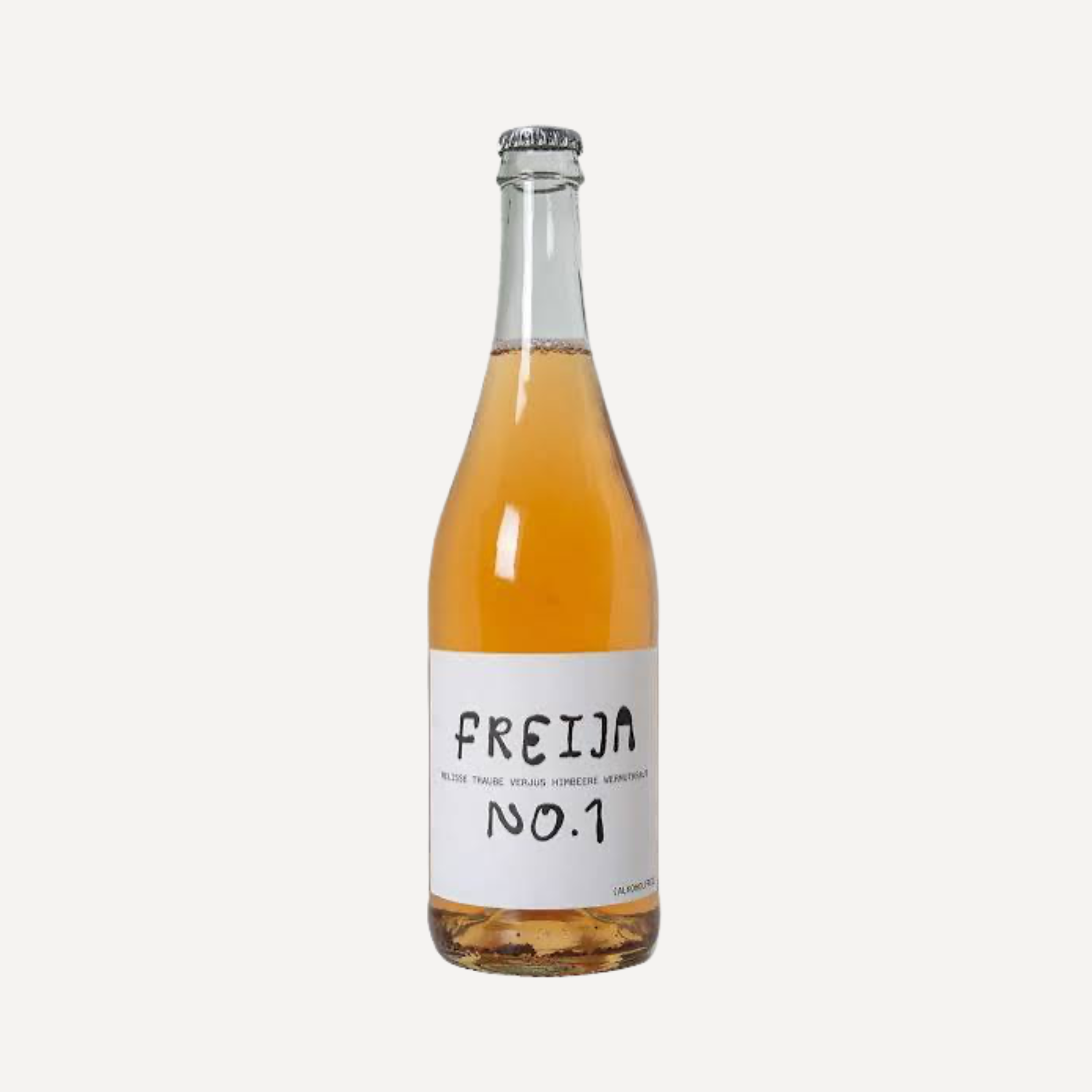
Type: Alcohol-Free Sparkling Tea / Grape-Based Beverage
Region: Nahe, Germany
Grapes: Grape juice-based; not a conventional grape-varietal wine
Alcohol ABV: 0.0%
Tasting Profile and Key Notes
Aroma:
Delicate and refreshing, with bright citrus, fresh herbs, floral notes, and subtle red-fruit aromas. Lemon balm gives the drink a lifted herbal character, while lacto-fermented raspberry adds a gentle berry complexity.
Palate:
Light, crisp, and gently sparkling, with refreshing acidity and a dry, elegant finish. Fresh grape and citrus flavours are balanced by lemon balm, subtle wormwood bitterness, and a touch of tart raspberry. Rather than tasting like sweet grape juice, Freija has a more layered, savoury and grown-up character.
Winemaking / Production
Freija No.1 is created as an alcohol-free sparkling tea, rather than through conventional winemaking. It combines lemon balm tea, grape juice, wormwood, verjus, and a small amount of lacto-fermented raspberry. The result is a complex, lightly sparkling drink designed to provide the freshness, structure, and gastronomic qualities normally associated with wine, without alcohol.
Farming
The project comes from Glow Glow, the natural-wine label of the Baumberger family in the Nahe region of Germany, created by Pauline and Carl Baumberger. The project focuses on organically farmed ingredients and low-intervention production, with an emphasis on freshness, energy, and natural expression.
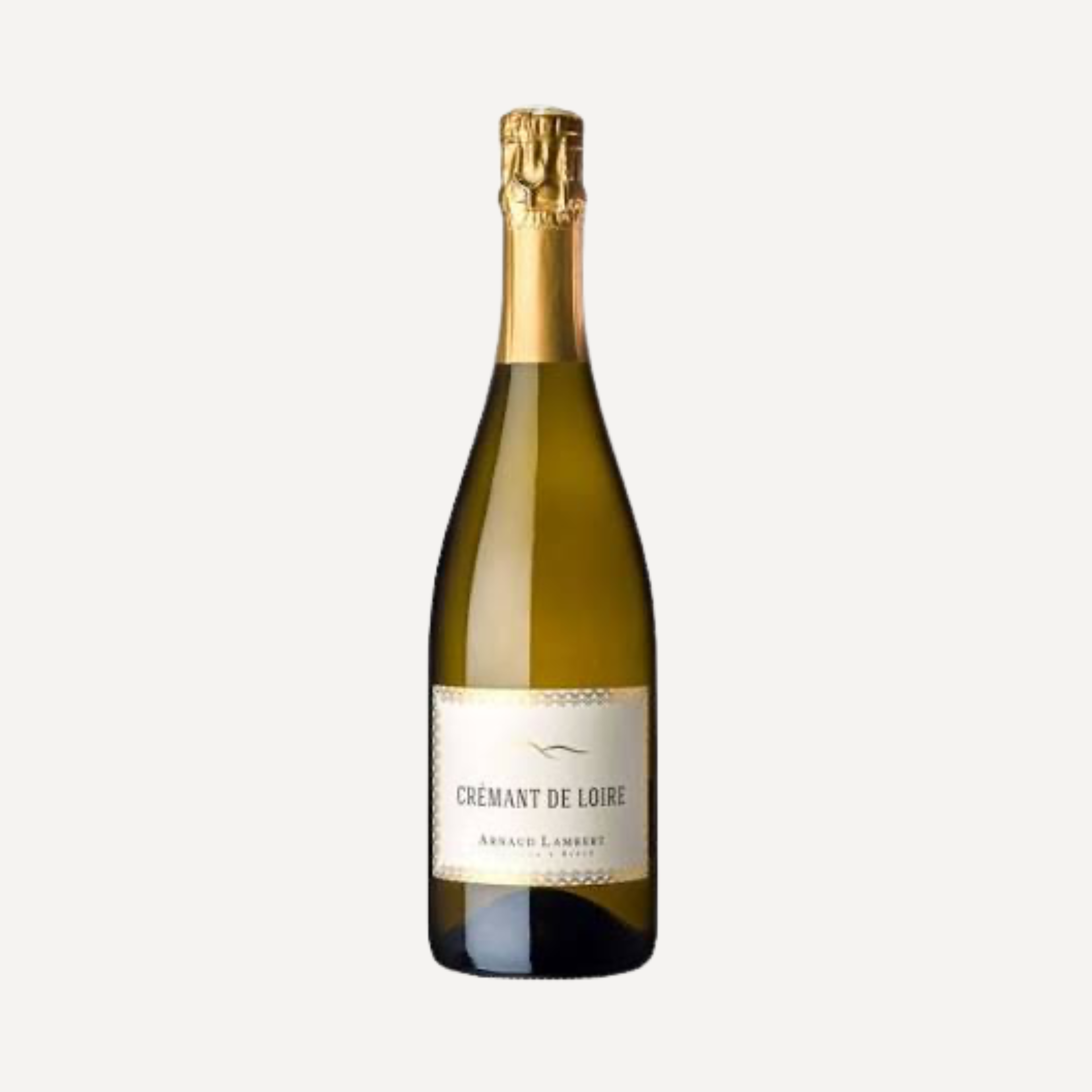
Type: Sparkling White (Traditional Method / Organic / Biodynamic)
Region: Crémant de Loire AOC, Loire Valley, France
Grapes: 50% Chenin Blanc, 50% Cabernet Franc
Alcohol ABV: 12%
Tasting Profile and Key Notes
Aroma: Bright and elegant, opening with aromas of crisp green apple, pear, and white peach, followed by citrus zest and fresh lemon blossom. Delicate notes of white flowers, brioche, toasted almonds, and biscuit develop from extended lees ageing, while a subtle chalky minerality adds freshness and finesse. Fine hints of red berries from the Cabernet Franc contribute additional complexity and lift.
Palate: Fresh, vibrant, and beautifully balanced, with a lively mousse and crisp acidity carrying flavours of green apple, citrus, pear, and stone fruits. Gentle notes of brioche, toasted hazelnut, and pastry cream add texture and depth without overwhelming the wine's precision. The finish is long, clean, and mineral-driven, leaving a refreshing impression of chalk, citrus, and delicate creamy richness.
Winemaking
The grapes are hand-harvested and gently whole-bunch pressed before undergoing separate fermentation with indigenous yeasts. Secondary fermentation takes place in bottle following the traditional method (méthode traditionnelle), with the wine resting on its lees for an extended period to develop fine bubbles, texture, and complexity. Minimal intervention is practised throughout the process, with low sulfur additions to preserve purity and freshness.
Farming
The vineyards are certified organic and biodynamic, located around Brézé and Saint-Cyr-en-Bourg in the Loire Valley, where limestone-rich tuffeau soils contribute remarkable minerality and precision. Arnaud Lambert is committed to regenerative farming, encouraging biodiversity and healthy living soils while allowing the vines to express the distinctive terroir of Saumur. Careful vineyard management and low yields produce fruit with exceptional freshness, balance, and elegance.
New Arrivals
WineNot?
WineNot?
Type: Rosé Wine (Dry / Biodynamic / Natural / Textural)
Region: Montalcino, Tuscany, Italy — Toscana Rosato IGT
Grapes: 100% Sangiovese
Alcohol ABV: 12.5%
Tasting Profile and Key Notes
Aroma:
Bright and expressive, with fresh raspberry, redcurrant, wild strawberry, blood orange and orange zest. Floral notes of rose, jasmine and wild flowers add elegance, while a subtle herbal note reminiscent of sage gives the nose a savoury Tuscan character.
Palate:
Dry, fresh and surprisingly structured for a rosé. Juicy red berries and citrus are supported by vibrant acidity, a pleasant saline character, and very fine tannins. The finish is clean, savoury and slightly bitter-citrusy, giving it considerably more gastronomic character than a simple fruit-driven rosé.
Winemaking
The 2023 vintage is made from a dedicated Sangiovese vineyard, harvested specifically for rosé production. The grapes undergo spontaneous fermentation with indigenous yeasts and approximately 24 hours of skin maceration, followed by gentle pressing. The wine is then aged for around 11 months between stainless steel and concrete, allowing the wine to retain freshness while developing additional texture and depth.
Farming
Podere Le Ripi is a biodynamic estate in Montalcino, founded by Francesco Illy, with a strong focus on biodiversity and regenerative viticulture. The Cappuccetto Rosa vineyard is planted at approximately 6,000 vines per hectare, on relatively young sedimentary alluvial soils containing a mixture of galestro, alberese and granitic material. The grapes are harvested manually, helping preserve freshness and fruit purity.
Discover the captivating world of Podere Le Ripi, a visionary biodynamic estate nestled in the heart of Montalcino, Italy. Renowned for their passionate commitment to natural winemaking and pioneer high-density planting, Podere Le Ripi creates low-intervention wines that truly express the vibrant, authentic terroir of Tuscany.
From the rich and structured Podere Le Ripi Cielo d'Ulisse Brunello di Montalcino 2020 to the refreshing, elegant Podere Le Ripi Cappuccetto Rosa IGT Toscana Rosato 2023 and the distinctively aromatic Podere Le Ripi Canna Torta IGT Toscana Bianco 2023, this exceptional lineup delivers an unforgettable taste of pure Italian craftsmanship in every bottle.
Type: Sparkling White (Traditional Method / Organic / Biodynamic)
Region: Crémant de Loire AOC, Loire Valley, France
Grapes: 50% Chenin Blanc, 50% Cabernet Franc
Alcohol ABV: 12%
Tasting Profile and Key Notes
Aroma: Bright and elegant, opening with aromas of crisp green apple, pear, and white peach, followed by citrus zest and fresh lemon blossom. Delicate notes of white flowers, brioche, toasted almonds, and biscuit develop from extended lees ageing, while a subtle chalky minerality adds freshness and finesse. Fine hints of red berries from the Cabernet Franc contribute additional complexity and lift.
Palate: Fresh, vibrant, and beautifully balanced, with a lively mousse and crisp acidity carrying flavours of green apple, citrus, pear, and stone fruits. Gentle notes of brioche, toasted hazelnut, and pastry cream add texture and depth without overwhelming the wine's precision. The finish is long, clean, and mineral-driven, leaving a refreshing impression of chalk, citrus, and delicate creamy richness.
Winemaking
The grapes are hand-harvested and gently whole-bunch pressed before undergoing separate fermentation with indigenous yeasts. Secondary fermentation takes place in bottle following the traditional method (méthode traditionnelle), with the wine resting on its lees for an extended period to develop fine bubbles, texture, and complexity. Minimal intervention is practised throughout the process, with low sulfur additions to preserve purity and freshness.
Farming
The vineyards are certified organic and biodynamic, located around Brézé and Saint-Cyr-en-Bourg in the Loire Valley, where limestone-rich tuffeau soils contribute remarkable minerality and precision. Arnaud Lambert is committed to regenerative farming, encouraging biodiversity and healthy living soils while allowing the vines to express the distinctive terroir of Saumur. Careful vineyard management and low yields produce fruit with exceptional freshness, balance, and elegance.
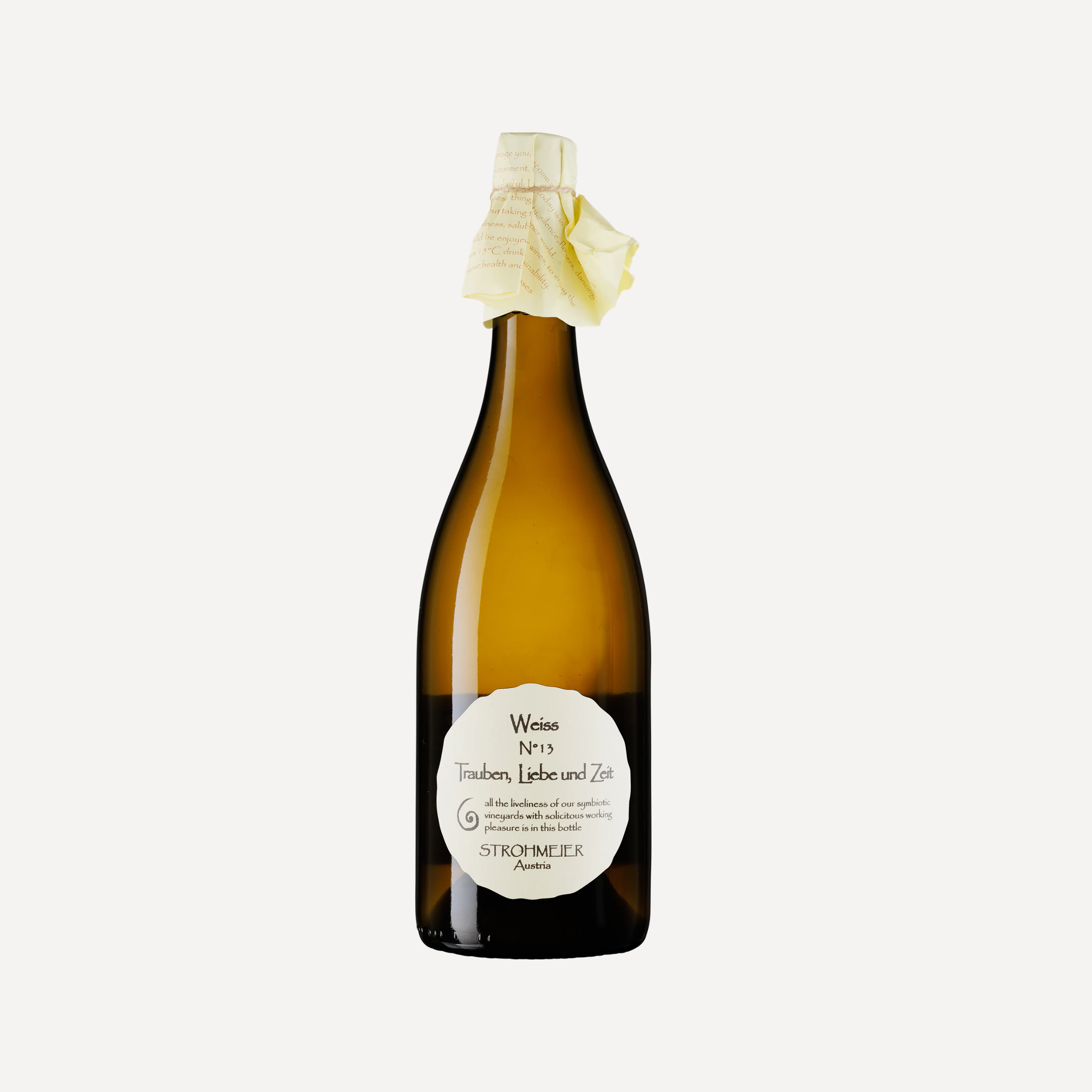
Type: Skin-Contact White Wine (Natural / Biodynamic / Minimal Intervention)
Region: Styria (Steiermark), Austria
Grapes: Pinot Blanc (Weissburgunder) & Chardonnay (approximately 70% Pinot Blanc, 30% Chardonnay)
Alcohol ABV: 12%
Tasting Profile and Key Notes
Aroma:
Elegant and complex aromas of white peach, grapefruit, lemon zest, and ripe pear, layered with chamomile, white flowers, dried herbs, and subtle earthy notes. A gentle skin-contact character brings hints of tea leaves, citrus peel, and spice, while the mineral-driven profile reflects the unique gneiss soils of western Styria.
Palate:
Textured, energetic, and beautifully balanced, showing vibrant citrus fruit, orchard fruit, and a subtle saline minerality. The short maceration provides a delicate phenolic grip and added depth, while bright acidity keeps the wine fresh and precise. The finish is long and savoury, with notes of grapefruit, lemon oil, and stony freshness.
Winemaking
The grapes are harvested by hand and undergo a short period of skin contact before gentle pressing of whole clusters. Fermentation occurs spontaneously with indigenous yeasts in used 500–600L wooden barrels, followed by ageing on fine lees for around 9–12 months with full malolactic fermentation. The wine is bottled unfined, unfiltered, and without added sulphur, following Franz Strohmeier’s “Trauben, Liebe und Zeit” (Grapes, Love and Time) philosophy.
Farming
The vineyards are located in western Styria, Austria, including sites around Stainz and Bad Gams, where vines grow on weathered gneiss soils rich in iron and silica. Franz Strohmeier practices organic and biodynamic farming, focusing on biodiversity, natural vineyard balance, and minimal intervention to allow the terroir and grape varieties to express themselves authentically.
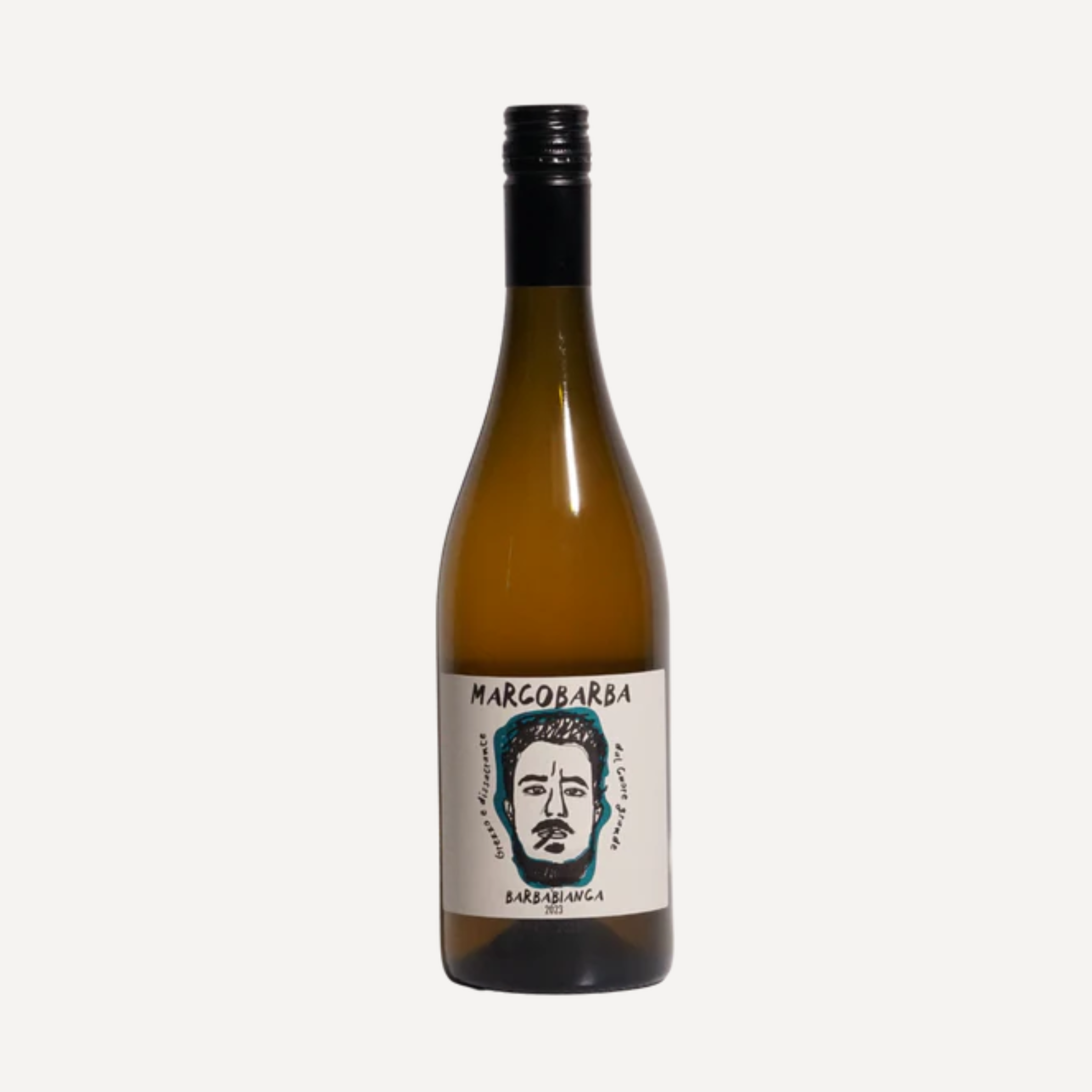
Type: White Wine (Natural / Biodynamic / Minimal Intervention)
Region: Gambellara, Veneto, Italy
Grapes: Garganega, Chardonnay, Glera, and Trebbiano
Alcohol ABV: 10.5%
Tasting Profile and Key Notes
Aroma:
Fresh and expressive with aromas of green apple, lemon zest, white peach, pear, and delicate white flowers. Subtle notes of almond, fresh herbs, and a gentle mineral character add complexity, reflecting the volcanic soils and traditional grape varieties of the Gambellara area.
Palate:
Light-bodied, vibrant, and highly refreshing with flavours of citrus, orchard fruits, and a touch of almond. Bright acidity provides energy, while a soft textured mouthfeel from lees ageing gives balance and depth. The finish is clean, mineral, and slightly savoury, making it an easy-drinking yet gastronomic white wine.
Winemaking
The grapes are sourced from biodynamically farmed vineyards and fermented spontaneously with indigenous yeasts in concrete tanks. The wine remains in the same concrete vessels for at least six months of ageing, allowing it to develop texture while preserving freshness and purity. Bottled unfiltered with only a small addition of sulphur, Barbabianca reflects Marcobarba’s low-intervention philosophy and focus on natural expression.
Farming
The vineyards are located around Gambellara in Veneto, an area known for its volcanic basalt soils and long tradition of native white grape cultivation. Marcobarba follows biodynamic farming principles, reducing vineyard intervention to a minimum and focusing on soil health, biodiversity, and harmony with the natural environment.

Type: Rosé Wine (Natural / Organic / Minimal Intervention)
Region: Riverland, South Australia, Australia
Grapes: 100% Nero d’Avola
Alcohol ABV: 11%
Tasting Profile and Key Notes
Aroma:
A vibrant and aromatic rosé with expressive notes of candied strawberry, red cherry, raspberry, and rose petals. Hints of cream, citrus peel, and delicate floral tones add complexity, giving the wine a playful yet elegant character. The Nero d’Avola brings a distinctive Sicilian-inspired profile with bright red fruit aromas and a refreshing aromatic lift.
Palate:
Light-bodied, fresh, and crunchy with flavours of strawberry, cranberry, redcurrant, and white peach. Bright acidity keeps the wine energetic, while a gentle phenolic texture adds subtle grip and structure. The finish is clean, juicy, and refreshing, with a lovely balance between ripe fruitiness and savoury freshness.
Winemaking
The Nero d’Avola grapes are hand-picked and wild fermented in stainless steel tanks using indigenous yeasts. After crushing, the grapes undergo a short 6-hour skin soak to extract the delicate blush pink colour before fermentation. The wine is bottled with minimal intervention, preserving the natural freshness, vibrant fruit character, and drinkability of the variety.
Farming
The grapes are sourced from organically farmed vineyards in the Riverland, South Australia, a warm and dry region well suited to Mediterranean varieties such as Nero d’Avola. Delinquente Wine Co focuses on sustainable farming and drought-resistant southern Italian grapes, allowing the vines to thrive naturally while maintaining freshness and balance in the finished wine.

Type: Orange Wine (Natural / Skin-Contact / Minimal Intervention)
Region: Yamagata Prefecture, Japan
Grapes: 85% Delaware, 15% Niagara
Alcohol ABV: 11.5%
Tasting Profile and Key Notes
Aroma:
Fresh and expressive aromas of mandarin orange, orange peel, ripe grape, white peach, and citrus blossom. The wine carries a distinctive Japanese table grape character, showing delicate floral notes, subtle candy-like fruitiness, and hints of fresh herbs.
Palate:
Light-bodied, vibrant, and refreshing with juicy citrus and orchard fruit flavours. Gentle skin contact provides a subtle phenolic texture and grip, while bright acidity lifts the palate and keeps the finish clean, lively, and easy-drinking. The finish shows a pleasant balance of fruit sweetness, slight bitterness, and mineral freshness.
Winemaking
The grapes are 100% destemmed and undergo spontaneous fermentation with indigenous yeasts, followed by 6–14 days of skin maceration in amphora and fibre tanks. The wine is then aged with approximately 65% in amphora and 35% in stainless steel tanks before bottling. Made without clarification, filtration, or added sulfur, Arancione reflects Grape Republic’s natural winemaking philosophy and pure expression of Japanese fruit.
Farming
The grapes are sourced from vineyards in Yamagata Prefecture, where the cool climate and large diurnal temperature variation help preserve freshness and aromatic intensity. Grape Republic works closely with local growers using low-intervention farming practices, allowing native grape varieties such as Delaware and Niagara to express their unique Japanese terroir and natural character.

Type: Orange Wine (Skin Contact / Natural / Biodynamic / Minimal Intervention)
Region: Alsace, France (Vin de France – Domaine Albert Hertz, Eguisheim)
Grapes: 100% Muscat Ottonel
Alcohol ABV: 13%
Tasting Profile and Key Notes
Aroma:
An elegant and aromatic orange wine with the distinctive floral character of Muscat. The nose shows intense notes of orange blossom, jasmine, lychee, mandarin peel, and ripe citrus. Subtle aromas of dried herbs, white pepper, tea leaves, and gentle spice develop from the skin contact, adding complexity while maintaining Muscat’s natural perfume.
Palate:
Dry, medium-bodied, and textured with a delicate tannic grip from maceration. Flavours of lemon zest, orange peel, apricot, peach, and exotic fruit are balanced by floral freshness and a savoury mineral backbone. The finish is clean and slightly saline, with a beautiful combination of aromatic intensity and refreshing acidity.
Winemaking
The grapes are destemmed and macerated on skins for around 10 days before pressing. Fermentation continues naturally with indigenous yeasts, followed by 12 months ageing on fine lees in stainless steel tanks. The wine is bottled unfiltered, with only a small amount of sulphur added, preserving the natural expression and aromatic purity of the Muscat.
Farming
The grapes come from Domaine Albert Hertz in Eguisheim, Alsace, from vineyards certified organic and biodynamic (Demeter & Biodyvin) since 2007. The vines grow on clay-limestone soils with a south-east exposure, benefiting from Alsace’s continental climate that allows Muscat to develop intense aromatics while maintaining freshness and balance. The vines are around 33 years old, contributing concentration and complexity.

Type: Rosé Wine (Natural / Organic / Minimal Intervention)
Region: Côtes Catalanes IGP, Roussillon, France
Grapes: Merlot, Syrah
Alcohol ABV: 13%
Tasting Profile and Key Notes
Aroma:
A vibrant and expressive natural rosé with aromas of wild raspberry, strawberry, pomegranate, and red cherry. More savoury Mediterranean notes emerge with air — rosehip, tomato leaf, red pepper, rosemary, thyme, wild mint, and freshly ground white pepper create a complex and distinctive profile.
Palate:
Dry, powerful, and refreshing with a textured mouthfeel. The palate shows flavours of red berries, citrus peel, pomegranate, and herbs, balanced by lively acidity and a subtle mineral character. Unlike a delicate Provence-style rosé, L'Amourouse has more depth and structure, with a savoury, spicy finish and excellent gastronomic potential.
Winemaking
Made with a natural wine approach, the grapes are hand-harvested from old vines and fermented separately in stainless steel tanks. The wine is bottled unfiltered and unfined, with only minimal sulphur added at bottling, preserving the purity of the fruit and the expressive character of the vineyard.
Farming
Domaine de Majas is located in Roussillon, southern France, near the foothills of the Pyrenees. The vineyards are farmed organically, with vines planted on limestone and schist soils at around 350–400 metres altitude. The combination of Mediterranean sunshine, mountain influence, and mineral soils gives the wines both ripe fruit character and freshness.
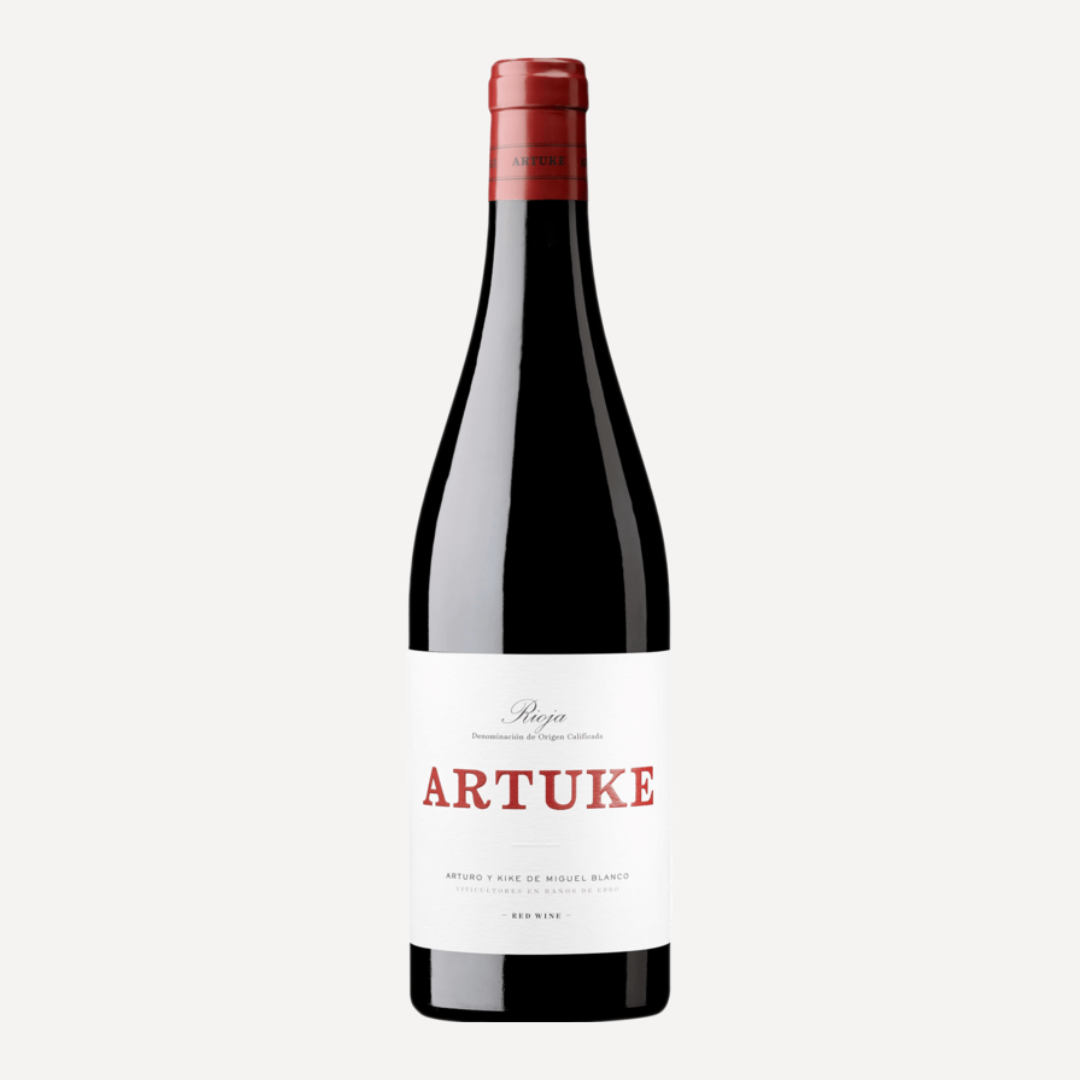
Type: Red Wine (Young Rioja / Natural-leaning / Carbonic Maceration)
Region: Rioja Alavesa (DOCa Rioja), Spain
Grapes: 95% Tempranillo, 5% Viura
Alcohol ABV: 14%
Tasting Profile and Key Notes
Aroma:
Bright, youthful and highly expressive, with aromas of fresh red cherry, raspberry, wild strawberry and blackberry. Floral notes of violet are complemented by subtle hints of yoghurt, crushed stone and fresh herbs from the carbonic maceration, giving the wine a lifted and vibrant personality.
Palate:
Light to medium-bodied with juicy red fruit, lively acidity and very soft tannins. Flavours of cherry, raspberry, cranberry and red plum are supported by gentle spice and mineral notes. The finish is clean, energetic and remarkably fresh, making it an easy-drinking yet characterful Rioja.
Winemaking
The grapes are hand-harvested as whole bunches and fermented using the traditional carbonic maceration method, a historic technique of Rioja Alavesa that enhances fruit purity and floral aromatics. Fermentation and spontaneous malolactic conversion take place in stainless steel, followed by approximately five months of ageing in concrete tanks. The wine is softly filtered and bottled without stabilization to preserve its freshness and vibrancy.
Farming
Artuke is a family estate run by brothers Arturo and Kike de Miguel in Baños de Ebro, Rioja Alavesa. The vineyards are farmed sustainably with meticulous manual work and low yields. The vines grow on limestone-clay soils under Atlantic influence moderated by the Mediterranean climate, producing wines with freshness, purity and a strong sense of place.

Type: Light to Medium-Bodied Red (Sustainably Certified / Vegan)
Region: Wairau Valley, Marlborough, New Zealand
Grapes: 100% Pinot Noir
Alcohol ABV: 13%
Tasting Profile and Key Notes
Aroma: Bright and youthfully aromatic with fragrant raspberry, red cherry, a touch of dark plum, and subtle hints of warm baking spices.
Palate: Supple, juicy, and energetic; it leads with a crunchy core of fresh red berries, balanced by gentle, well-integrated tannins and a clean, vibrant acidity.
Winemaking
The fruit undergoes a cold-soak period prior to fermentation to maximize the extraction of vibrant primary fruit aromatics and deep colour from the delicate grape skins.Fermentation is carried out in stainless-steel tanks using selected yeasts, during which the cap is meticulously hand-plunged to achieve a balanced, gentle tannin profile. The wine is pressed and finished entirely in tank on its fine lees to preserve its bright, fruit-forward purity and clean, un-oaked character.
Farming
The grapes are sourced entirely from estate vineyards in the Wairau Valley, an area characterized by its ancient, free-draining stony riverbed soils.The vineyard operations are independently certified 100% sustainable by Sustainable Winegrowing New Zealand, utilizing practices like planting wild flowers between rows to naturally enhance soil structure and nitrogen levels. The region's intense maritime sunshine paired with cool coastal nights allows for an extended growing season, giving the Pinot Noir grapes ample time to develop complex phenolics while locking in high natural acidity.
New to Low-Intervention Wines?
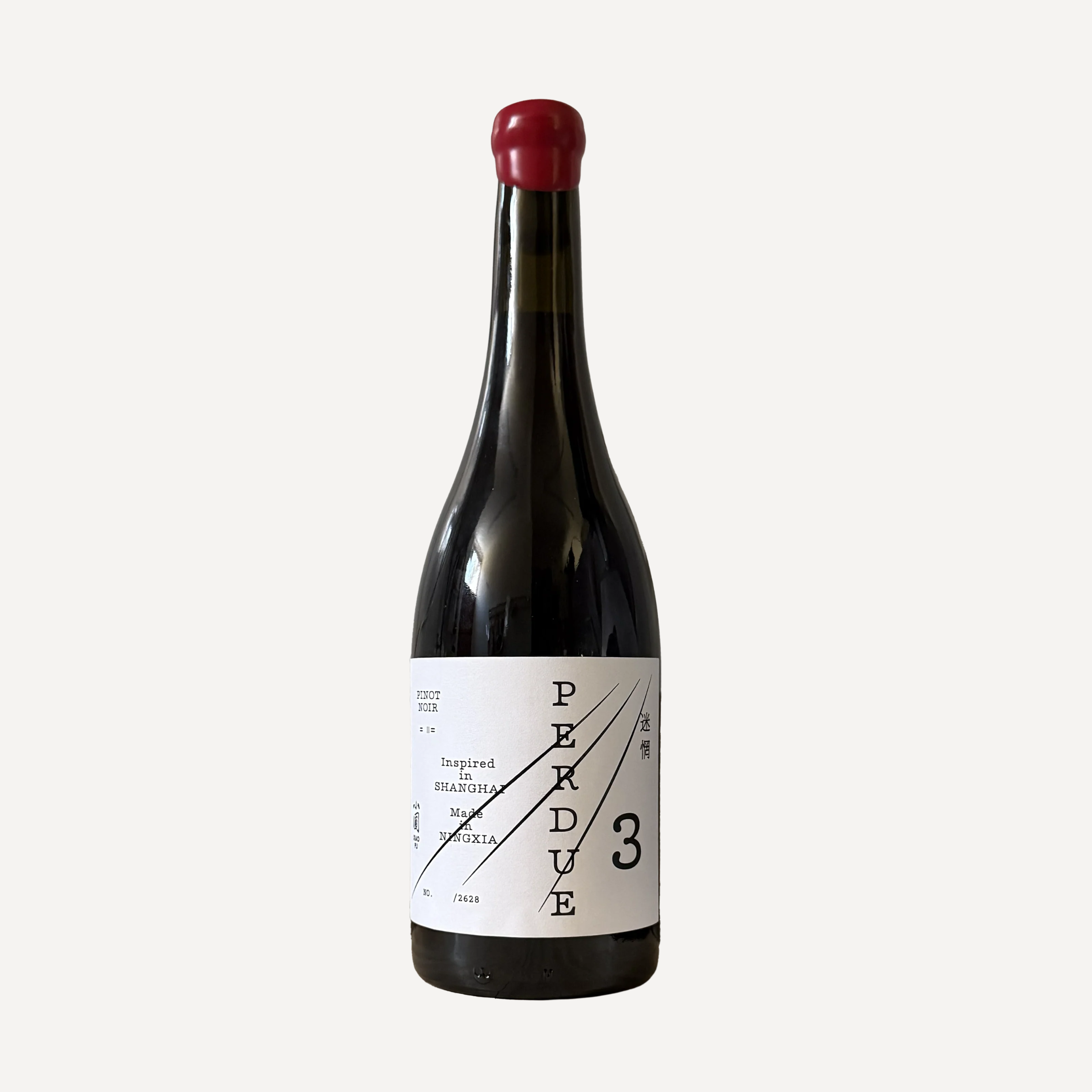
Type: Light Red Wine (Natural / Minimal Intervention)
Region: Ningxia, China
Grapes: 100% Pinot Noir
Alcohol ABV: Approximately 12%
Tasting Profile and Key Notes
Aroma:
Generous and expressive with aromas of overripe wild strawberry, ripe red cherry, strawberry leaf, and raspberry, layered with smoked Chinese sour plum, damp autumn forest floor, baking spices, and subtle earthy undertones. Compared with the other Perdue bottlings, 22.3 is the most generous and stem-influenced expression, offering greater savoury complexity alongside its ripe fruit profile.
Palate:
Light to medium-bodied with vibrant red berry fruit balanced by refreshing acidity and firm, grippy tannins. Flavours of ripe strawberry, red cherry, cranberry, and sweet spice are complemented by herbal stem notes and earthy minerality. The finish is long, savoury, and energetic, showing both elegance and structure while remaining highly drinkable.
Winemaking
The grapes are hand-harvested over multiple picking dates to capture different levels of ripeness and structural components. Fermentation is carried out with indigenous yeasts using uncontrolled temperatures and gentle extraction, with later-picked fruit incorporating a higher proportion of whole clusters to build aromatic complexity and tannin. The wine undergoes natural malolactic fermentation before ageing in older oak barrels for approximately 7–12 months, allowing texture to develop without overt oak influence. No acidification, tannin additions, or cultured yeasts are used, reflecting Xiao Pu's minimalist, blending-focused philosophy.
Farming
The fruit is sourced from vineyards in Qingtongxia, Ningxia, where a continental climate with warm sunny days, cool nights, and low rainfall produces Pinot Noir with excellent concentration while retaining freshness. Xiao Pu works closely with growers using sustainable, low-intervention viticulture and careful hand harvesting to preserve the individuality of each vineyard. The Perdue series is designed to showcase different expressions of Ningxia Pinot Noir through thoughtful barrel selection and blending rather than heavy winemaking intervention.
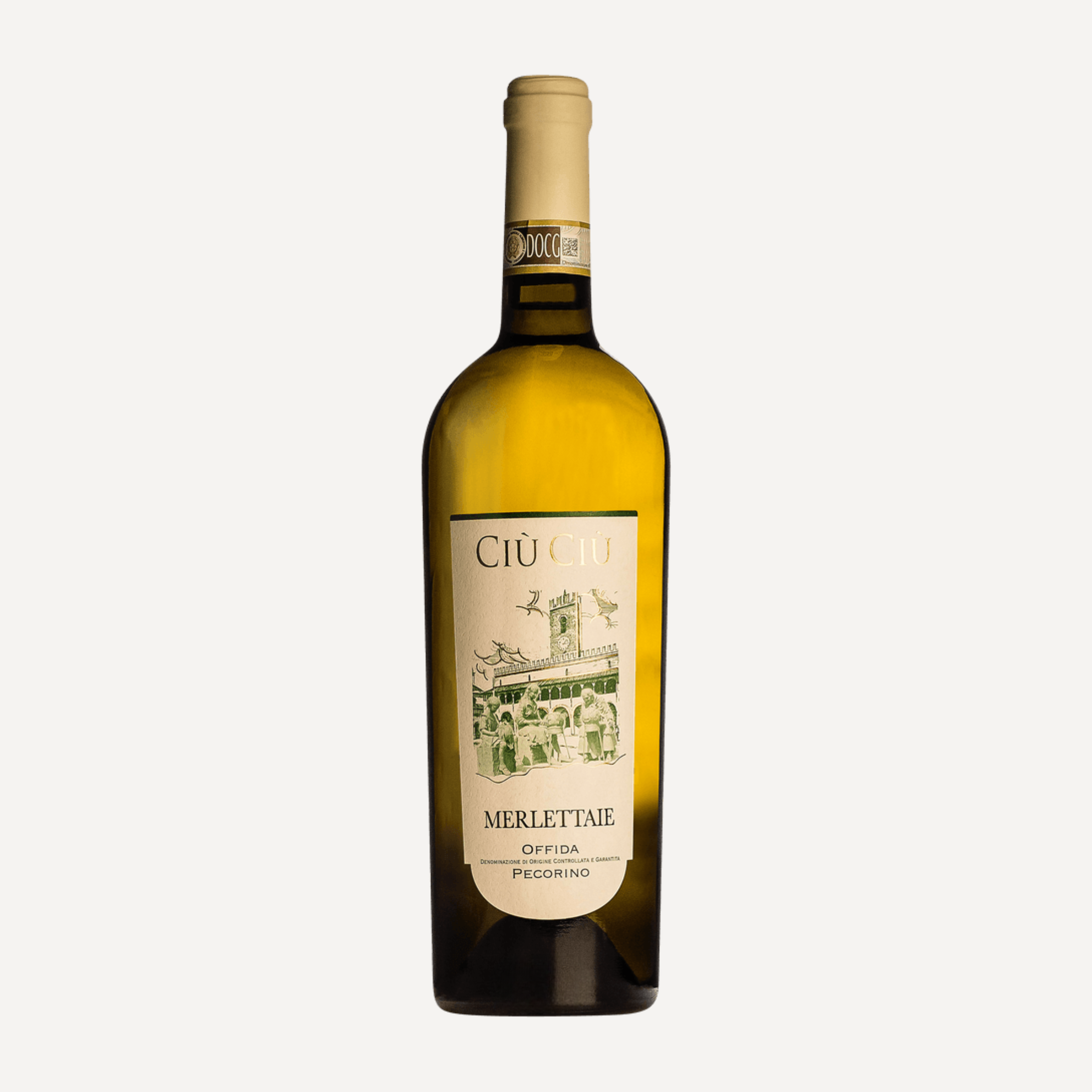
Type: White Wine (Organic / Traditional / Textured Italian White)
Region: Offida DOCG, Marche, Italy
Grapes: 100% Pecorino
Alcohol ABV: 14%
Tasting Profile and Key Notes
Aroma:
An expressive and elegant Pecorino showing aromas of lemon zest, yellow apple, pear, and white peach, layered with wild herbs, hawthorn blossom, and delicate floral notes. Subtle hints of vanilla, almond, and Mediterranean herbs develop from barrel ageing, adding richness and complexity while maintaining freshness.
Palate:
Medium to full-bodied with a beautiful balance between freshness and texture. The palate delivers flavours of citrus, ripe pear, orchard fruits, and herbal nuances, supported by bright acidity and a distinct saline minerality. A gentle creamy texture from lees contact and oak ageing gives depth, while the finish remains clean, savoury, and persistent.
Winemaking
The organically farmed Pecorino grapes are hand-harvested from vineyards around Offida and Acquaviva Picena before undergoing fermentation in medium-sized oak barrels. The wine remains on its fermentation lees for approximately 6 months in oak, followed by around 3 months of bottle ageing to develop texture and complexity. The winemaking focuses on preserving the natural freshness of Pecorino while adding subtle richness through traditional barrel maturation.
Farming
The vineyards are located in the rolling hills of Marche’s Piceno area, between Offida and Acquaviva Picena, where Pecorino thrives in a warm Mediterranean climate moderated by Adriatic sea breezes. Ciù Ciù farms organically, with vines planted on mineral-rich hillside soils that contribute to the grape’s natural acidity, salinity, and aromatic intensity.
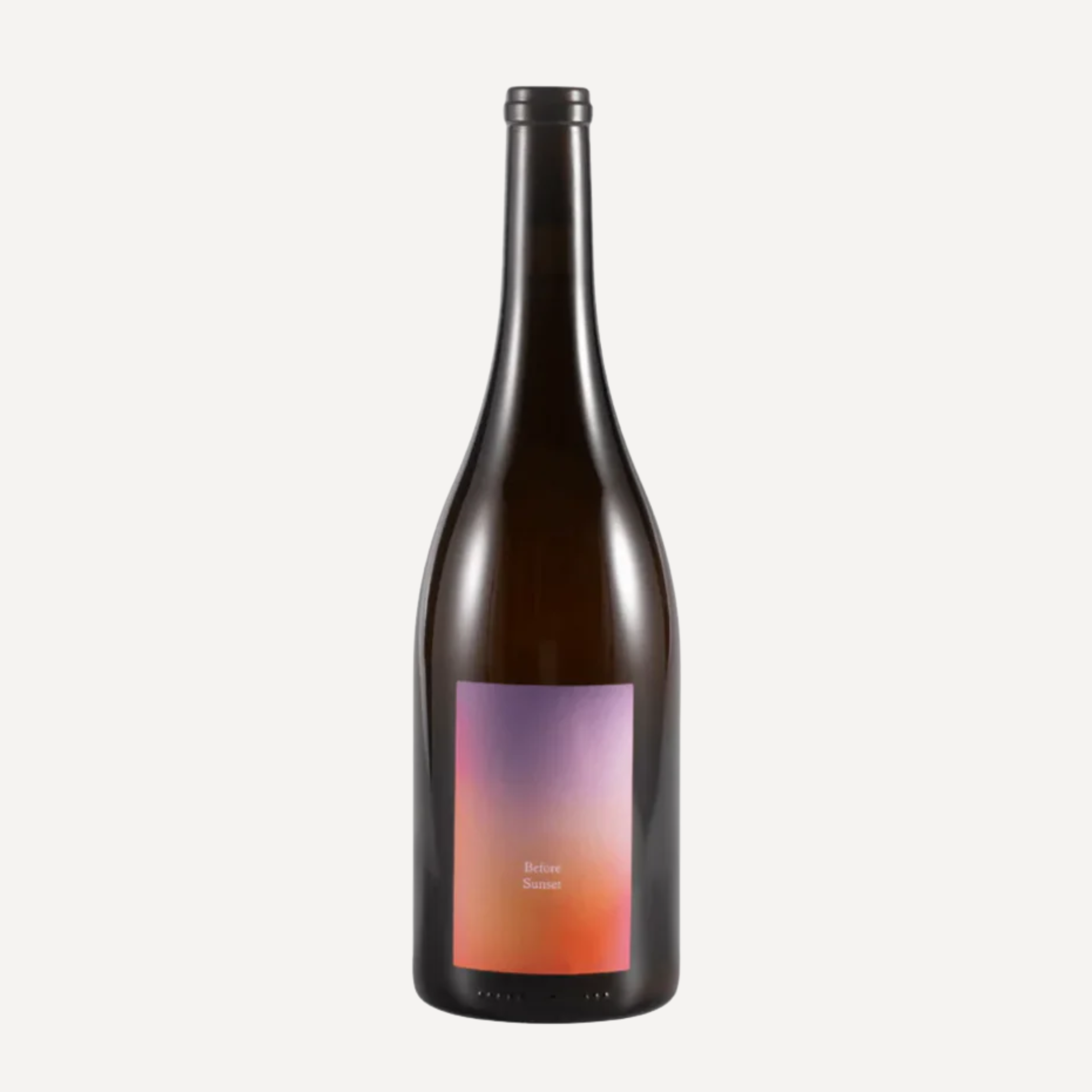
Type: Orange Wine (Skin-Contact / Natural / Minimal Intervention)
Region: Ningxia, China
Grapes: 100% Gewürztraminer (also known as Traminer; some sources note the aromatic Traminer family expression)
Alcohol ABV: 12.1%
Tasting Profile and Key Notes
Aroma:
Highly aromatic and expressive, showing classic Gewürztraminer characters of lychee, rose petals, jasmine, and orange blossom. Extended skin contact adds layers of tangerine peel, dried apricot, ginger, herbal tea, and exotic spice, creating a complex bouquet that bridges floral elegance with savoury orange wine character.
Palate:
Medium-bodied with a rich, textured mouthfeel and gentle phenolic grip from skin maceration. Flavours of apricot, mandarin, grapefruit, star fruit, and candied citrus are balanced by refreshing acidity and subtle tea-like bitterness. The finish is long and savoury, showing notes of oolong tea, ginger, herbs, and citrus peel, giving the wine both aromatic intensity and structural depth.
Winemaking
The Gewürztraminer grapes undergo spontaneous fermentation with indigenous yeasts and extended skin contact, creating the wine’s distinctive amber colour, aromatic complexity, and textured palate. The wine is aged in old oak barrels for approximately several months before bottling, with minimal intervention and without heavy adjustment to preserve the natural expression of the grape.
Farming
The grapes are sourced from vineyards in Ningxia, China, a high-altitude wine region known for its dry continental climate, strong sunlight, and significant day-night temperature variation. Xiao Pu works closely with local vineyards to explore natural farming and low-intervention viticulture, allowing aromatic varieties such as Gewürztraminer to express freshness, intensity, and regional character.
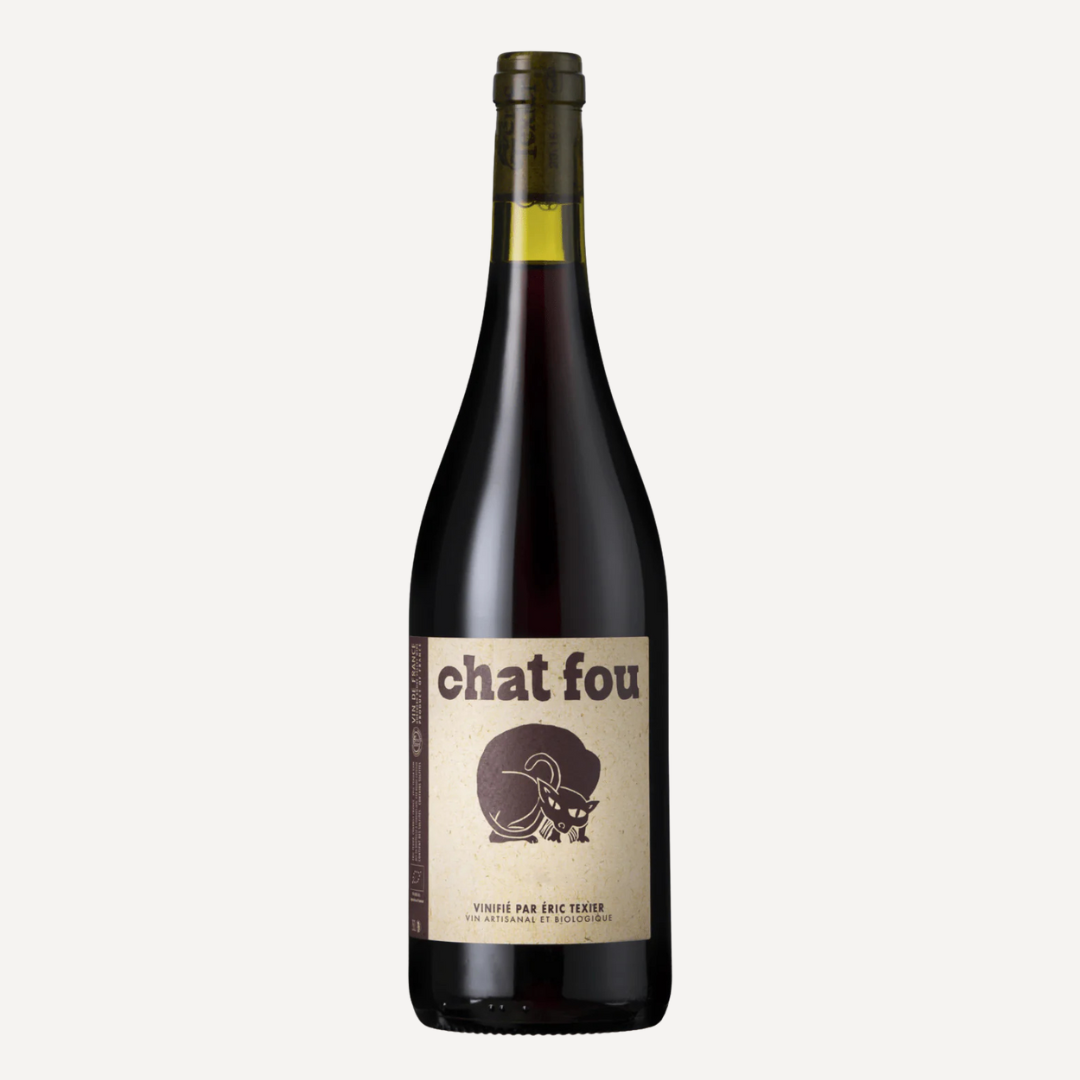
Type: Light Red Wine (Natural / Organic / Minimal Intervention / Chillable Red)
Region: Rhône Valley, France (Vin de France – Ardèche)
Grapes: 50% Grenache, 30% Cinsault, 20% Clairette
Alcohol ABV: 12.5%
Tasting Profile and Key Notes
Aroma:
A bright and lifted natural Rhône red showing aromas of fresh strawberry, raspberry, red cherry, and cranberry. The Grenache brings juicy red fruit and floral notes, while Cinsault adds elegance and spice. The addition of Clairette gives an extra aromatic lift with hints of white flowers, herbs, and a subtle mineral freshness.
Palate:
Light-bodied, vibrant, and refreshing with crunchy red fruit flavours of cherry, raspberry, and wild berries. The palate is silky with delicate tannins, bright acidity, and a savoury finish showing notes of pepper, herbs, and mineral freshness. Despite being a red wine, the 20% white grape component gives it an airy texture and makes it highly drinkable, especially slightly chilled.
Winemaking
The grapes are organically farmed and hand-harvested from granite and gneiss soils in the Ardèche region. The fruit is partially destemmed and co-fermented with indigenous yeasts in open concrete tanks, with a short maceration of around 4–5 days to preserve freshness and avoid heavy extraction. The wine is aged in concrete tanks on fine lees for around 12 months, then bottled unfined and unfiltered with minimal sulphur addition.
Farming
The vineyards are managed organically by Éric Texier, focusing on biodiversity, healthy soils, and traditional Rhône farming practices. The vines grow on granite-rich soils in the Ardèche, where the cooler mountain influence helps retain acidity and freshness. The terroir contributes to Chat Fou’s light, energetic style rather than a heavier Southern Rhône profile.

Type: Light Red (Natural / Low-Intervention)
Region: AOC Bourgogne, Burgundy, France
Grapes: 100% Pinot Noir
Alcohol ABV: 12.5%
Tasting Profile and Key Notes
Aroma: Wild raspberry, sour Morello cherry, rooibos tea, and a wet, stony forest-floor earthiness.
Palate: Highly fluid, vibrant, and pure. Crunchy red-currant and bramble layers zip across a limestone mineral track, framed by fine-grained, delicately sticky tannins and a classic, peppery finish.
Winemaking
The hand-harvested grapes undergo a whole-cluster, indigenous-yeast fermentation in temperature-controlled stainless steel vats to foster bright aromatics and preserve primary fruit snap. Following a gentle press, the wine is transferred into older, neutral 225L and 228L French oak barrels where it rests on its fine lees for 8 months. The final components are blended and bottled completely unfined and unfiltered, with only a minimal, protective trace of sulfur added before corking.
Farming
Winemaker Valentin Montanet sources this fruit from organically farmed plots featuring old vines (some averaging 60 years of age) situated across the cooler, limestone-rich soils of the Yonne and northern Burgundy.The vineyards thrive on classic slopes composed of Kimmeridgian clay and dense limestone, giving the fruit a signature structural tension. Harvesting is handled entirely by hand with meticulous sorting in the vineyard to ensure only pristine fruit enters the low-intervention cellar.

Type: White Wine (Organic / Fresh & Textural / Minimal Intervention)
Region: Navarra, Spain
Grapes: 100% Viura
Alcohol ABV: 13%
Tasting Profile and Key Notes
Aroma:
Fresh and expressive with aromas of white peach, pear, green apple, and citrus peel. Delicate notes of fennel, fresh green tea, and white flowers add an herbal complexity, while a subtle mineral character reflects the clay-loam soils of Navarra.
Palate:
Dry, medium-bodied, and beautifully textured with refreshing acidity. The palate shows flavours of white peach, lemon, pear, and green tea, complemented by a gentle creamy texture from lees ageing. Mineral notes and a clean, slightly saline finish give the wine excellent freshness and length.
Winemaking
The 100% Viura grapes are harvested from vineyards in Navarra and fermented naturally with wild yeasts in tanks at controlled temperatures around 15–16°C. The wine is aged on its fine lees with regular bâtonnage for approximately 4 months, creating additional texture and complexity while preserving the purity and freshness of the variety.
Farming
Bodegas Tandem works with vineyards in Navarra, a region influenced by both Atlantic and Mediterranean climates. The vineyards are planted on clay-loam soils, where warm days allow ripe fruit development while cooler conditions help maintain acidity and freshness. Sustainable vineyard practices and careful harvesting aim to express the natural character of Viura and the Navarra terroir.
Type: Rosé Wine (Natural / Organic / Minimal Intervention)
Region: Riverland, South Australia, Australia
Grapes: 100% Nero d’Avola
Alcohol ABV: 11%
Tasting Profile and Key Notes
Aroma:
A vibrant and aromatic rosé with expressive notes of candied strawberry, red cherry, raspberry, and rose petals. Hints of cream, citrus peel, and delicate floral tones add complexity, giving the wine a playful yet elegant character. The Nero d’Avola brings a distinctive Sicilian-inspired profile with bright red fruit aromas and a refreshing aromatic lift.
Palate:
Light-bodied, fresh, and crunchy with flavours of strawberry, cranberry, redcurrant, and white peach. Bright acidity keeps the wine energetic, while a gentle phenolic texture adds subtle grip and structure. The finish is clean, juicy, and refreshing, with a lovely balance between ripe fruitiness and savoury freshness.
Winemaking
The Nero d’Avola grapes are hand-picked and wild fermented in stainless steel tanks using indigenous yeasts. After crushing, the grapes undergo a short 6-hour skin soak to extract the delicate blush pink colour before fermentation. The wine is bottled with minimal intervention, preserving the natural freshness, vibrant fruit character, and drinkability of the variety.
Farming
The grapes are sourced from organically farmed vineyards in the Riverland, South Australia, a warm and dry region well suited to Mediterranean varieties such as Nero d’Avola. Delinquente Wine Co focuses on sustainable farming and drought-resistant southern Italian grapes, allowing the vines to thrive naturally while maintaining freshness and balance in the finished wine.
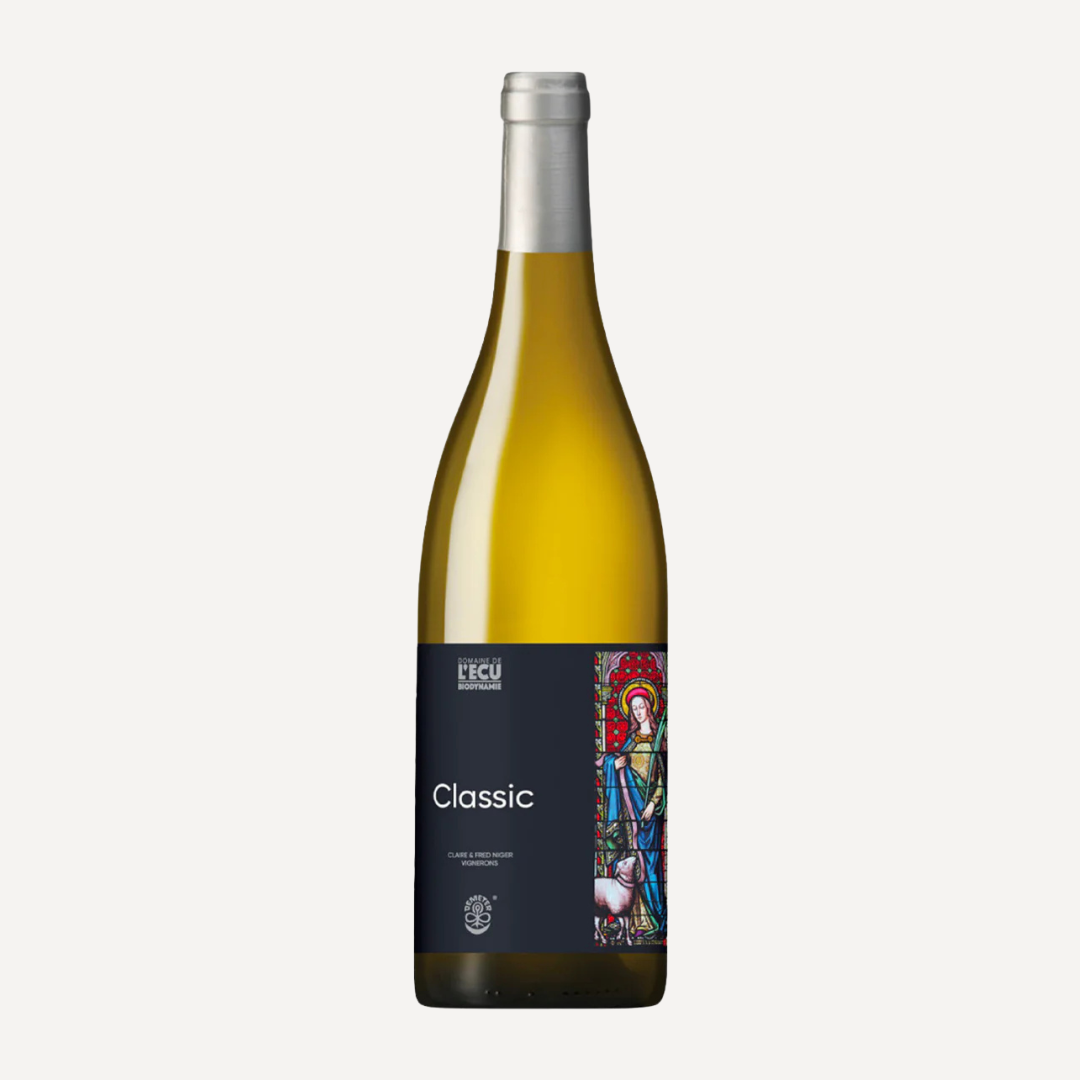
Type: White Wine (Natural / Organic / Biodynamic / Minimal Intervention)
Region: Muscadet Sèvre-et-Maine, Loire Valley, France
Grapes: 100% Melon de Bourgogne
Alcohol ABV: 12%
Tasting Profile and Key Notes
Aroma:
Pure and crystalline with aromas of lime zest, grapefruit, green apple, pear, and white flowers. Subtle smoky notes, wet stone minerality, and a delicate waxy character add complexity, reflecting the unique terroir-driven expression of Melon de Bourgogne.
Palate:
Dry, precise, and beautifully balanced, showing bright citrus flavours, fresh orchard fruits, and a distinct saline character. The palate combines a rich, rounded texture from lees ageing with a vibrant mineral tension, creating a long, refreshing finish reminiscent of sea breeze and crushed stone. This is a classic gastronomic Muscadet with excellent freshness and versatility, especially with oysters and seafood.
Winemaking
The grapes are hand-harvested from organically and biodynamically farmed vineyards before undergoing gentle whole-cluster pneumatic pressing. Fermentation occurs naturally with indigenous yeasts, followed by ageing on fine lees in underground concrete tanks to develop texture while preserving freshness and purity. The wine is bottled without fining or filtration, reflecting Domaine de L’ECU’s low-intervention approach.
Farming
Domaine de L’ECU has practiced organic farming since 1975 and has been Demeter biodynamic certified since 1998. The Melon de Bourgogne vines grow on siliceous soils with metamorphic rock subsoil in the Pays Nantais, where the cool maritime climate and mineral-rich terroir contribute to the wine’s freshness, salinity, and distinctive Atlantic character.

Type: White Wine (Organic / Biodynamic / Minimal Intervention)
Region: Rías Baixas DO (Val do Salnés), Galicia, Spain
Grapes: 100% Albariño
Alcohol ABV: 13%
Tasting Profile and Key Notes
Aroma:
A beautifully aromatic Albariño with lifted notes of white peach, lemon zest, lime, green apple, and pear. Delicate aromas of citrus blossom, white flowers, sea spray, and wet granite are complemented by subtle hints of honey and lees-derived pastry notes, creating a wine that is both vibrant and complex.
Palate:
Medium-bodied with bright acidity and a beautifully textured mouthfeel. Flavours of citrus, white peach, green apple, and ripe pear are layered with saline minerality, wet stone, and a subtle creamy richness from extended lees ageing. The finish is long, precise, and distinctly maritime, with a refreshing mineral edge.
Winemaking
Shanela is produced from a single biodynamically farmed vineyard in Val do Salnés, the heart of Rías Baixas. Whole clusters are gently pressed before cold fermentation with indigenous yeasts. The wine spends approximately 12 months on its fine lees, followed by an additional year in stainless steel before bottling with minimal sulphur. This extended maturation gives the wine remarkable texture and complexity while preserving Albariño's freshness. Around 5,000 bottles are produced annually.
Farming
Although best known for Rioja, David Sampedro (Bodegas Bhilar) also farms a small parcel in Val do Salnés, just 5 km from the Atlantic Ocean. The old Albariño vines grow on sandy granite soils with constant Atlantic influence, producing wines with pronounced salinity, freshness, and mineral character. The vineyard is farmed according to organic and biodynamic principles, reflecting Bhilar's philosophy of minimal intervention and respect for nature.
Type: Orange Wine (Natural / Skin-Contact / Minimal Intervention)
Region: Yamagata Prefecture, Japan
Grapes: 85% Delaware, 15% Niagara
Alcohol ABV: 11.5%
Tasting Profile and Key Notes
Aroma:
Fresh and expressive aromas of mandarin orange, orange peel, ripe grape, white peach, and citrus blossom. The wine carries a distinctive Japanese table grape character, showing delicate floral notes, subtle candy-like fruitiness, and hints of fresh herbs.
Palate:
Light-bodied, vibrant, and refreshing with juicy citrus and orchard fruit flavours. Gentle skin contact provides a subtle phenolic texture and grip, while bright acidity lifts the palate and keeps the finish clean, lively, and easy-drinking. The finish shows a pleasant balance of fruit sweetness, slight bitterness, and mineral freshness.
Winemaking
The grapes are 100% destemmed and undergo spontaneous fermentation with indigenous yeasts, followed by 6–14 days of skin maceration in amphora and fibre tanks. The wine is then aged with approximately 65% in amphora and 35% in stainless steel tanks before bottling. Made without clarification, filtration, or added sulfur, Arancione reflects Grape Republic’s natural winemaking philosophy and pure expression of Japanese fruit.
Farming
The grapes are sourced from vineyards in Yamagata Prefecture, where the cool climate and large diurnal temperature variation help preserve freshness and aromatic intensity. Grape Republic works closely with local growers using low-intervention farming practices, allowing native grape varieties such as Delaware and Niagara to express their unique Japanese terroir and natural character.
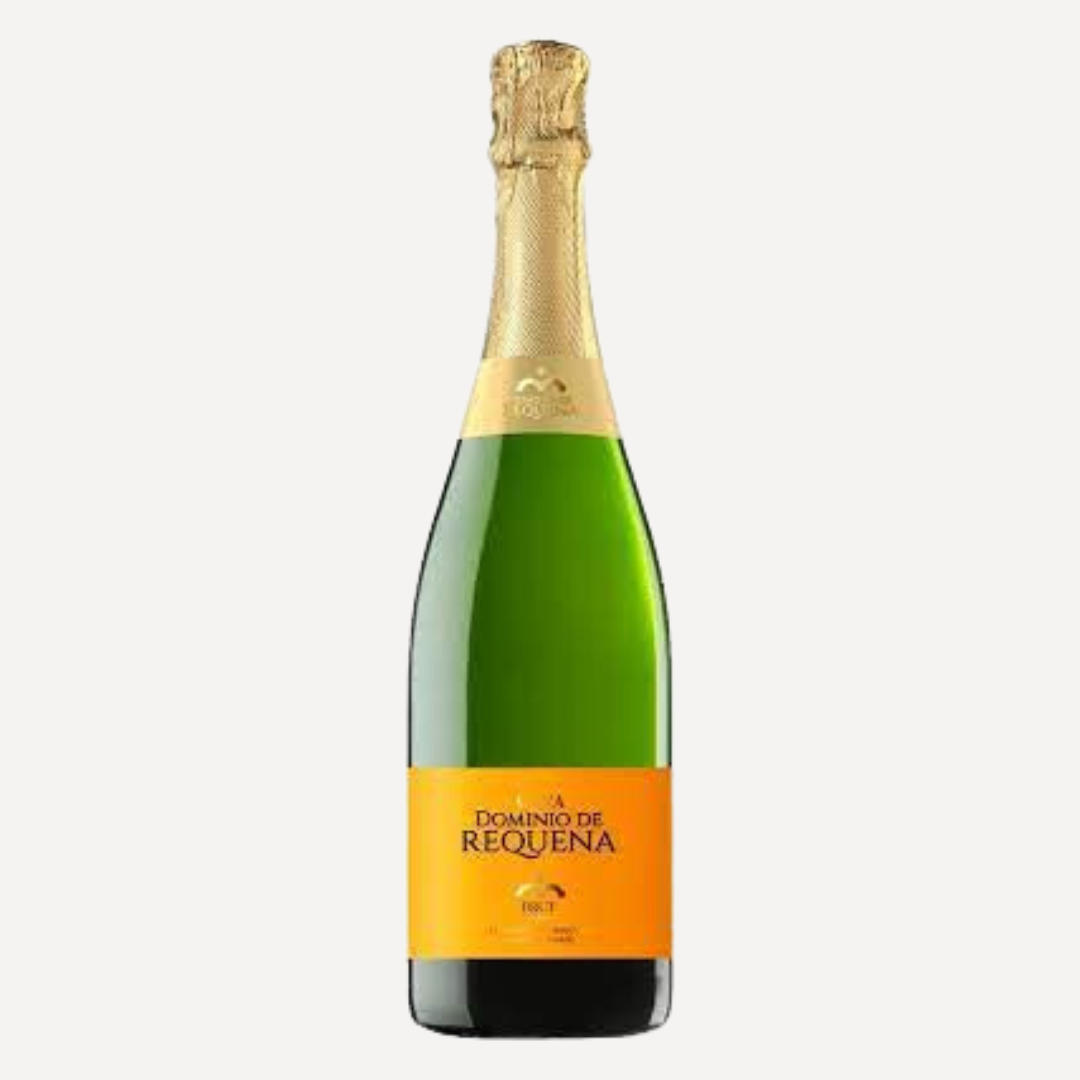
Type: Sparkling White Wine (Cava DO / Organic / Traditional Method)
Region: Requena, Valencia, Spain (DO Cava)
Grapes: 100% Macabeo
Alcohol ABV: 12%
Tasting Profile and Key Notes
Aroma:
Fresh and elegant aromas of lemon zest, green apple, pear, and white flowers. Subtle notes of brioche, fresh bread, and pastry develop from bottle ageing on lees, adding complexity while maintaining a bright and clean character.
Palate:
Crisp and refreshing with fine, delicate bubbles. The palate shows flavours of citrus fruits, ripe yellow apple, white peach, and a gentle creamy texture from lees ageing. Balanced acidity gives freshness, while the finish reveals subtle yeast, almond, and mineral notes.
Winemaking
Produced using the traditional method (Méthode Traditionnelle), the wine undergoes a second fermentation in bottle followed by ageing on lees to develop complexity and texture. The grapes are hand-harvested from organic vineyards, with the wine aged for more than 18 months on lees before disgorgement.
Farming
Pago de Tharsys is a historic family winery in Requena, Valencia, working with organically farmed vineyards planted on limestone-rich soils. The high-altitude continental influence of Requena helps preserve acidity and freshness in the grapes, making the region particularly suitable for producing elegant sparkling wines.
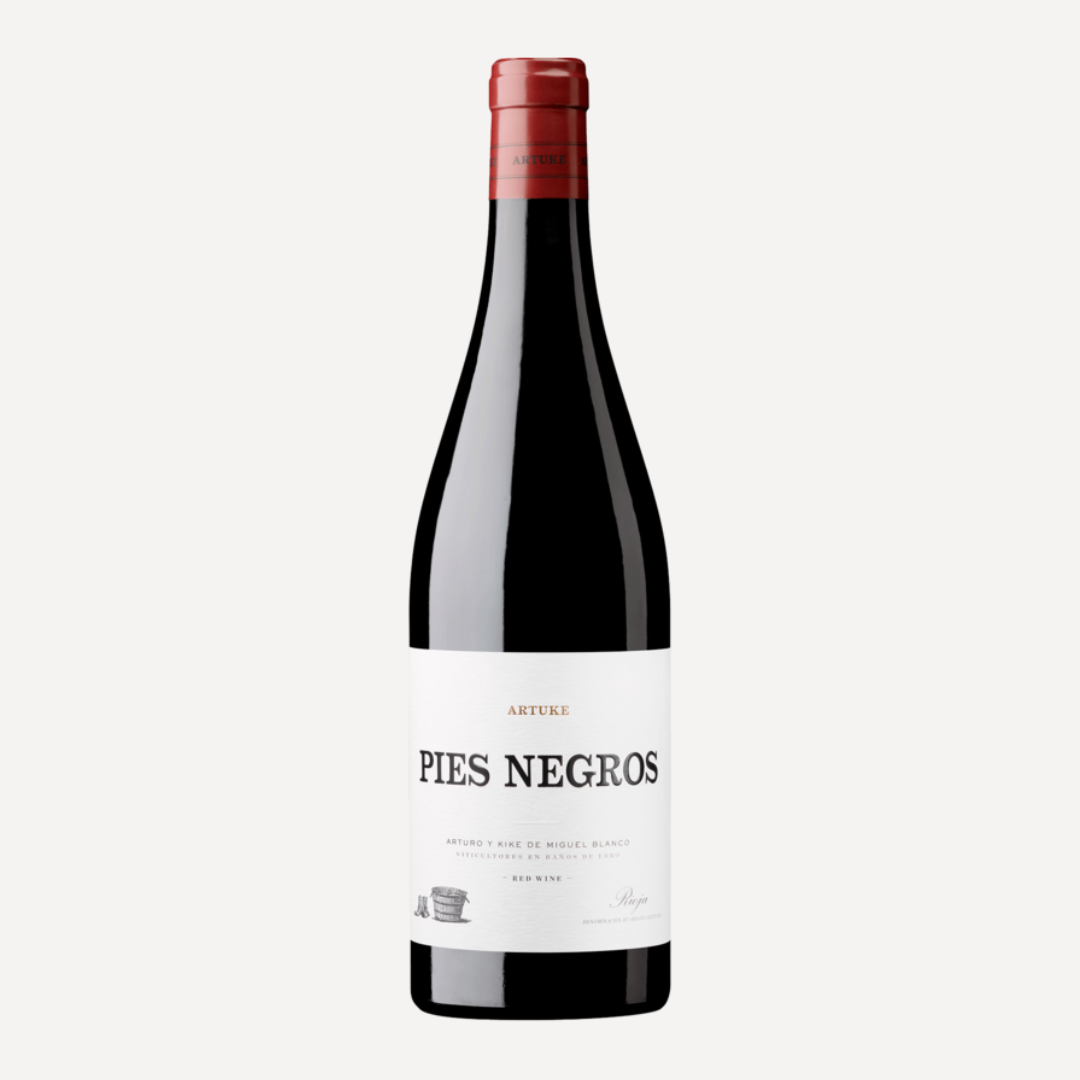
Type: Red Wine (Village Wine / Rioja Alavesa / Sustainable)
Region: Ábalos, Rioja Alavesa (DOCa Rioja), Spain
Grapes: 90% Tempranillo, 10% Graciano
Alcohol ABV: 14%
Tasting Profile and Key Notes
Aroma:
Elegant and lifted, with aromas of redcurrant, black cherry, plum, raspberry, and summer berries. Floral notes of violet and laurel are layered with subtle graphite, white pepper, crushed stone, and gentle balsamic spice. The old-vine fruit and cool, high-altitude vineyards give the wine remarkable freshness and aromatic precision.
Palate:
Medium-bodied with vibrant acidity, silky tannins, and impressive finesse. Juicy flavours of red cherry, blackberry, plum, and cranberry are complemented by savoury herbs, mineral notes, and delicate spice. Oak remains beautifully integrated, allowing the fruit and limestone-driven freshness to take centre stage. The finish is long, refined, and energetic.
Winemaking
The grapes are hand-harvested from old bush vines across several parcels in the village of Ábalos, situated between 600–650 metres above sea level. Fermentation takes place with whole, uncrushed bunches using indigenous yeasts. The wine is aged for approximately 12 months in used 500-litre French oak barrels, with around 10% of the wine matured in concrete tanks to preserve freshness and purity.
Farming
Artuke is a family-run estate led by brothers Arturo and Kike de Miguel, who farm sustainably with meticulous manual vineyard work and low yields. The vineyards are planted on limestone-clay soils under the influence of the Sierra Cantabria mountains, where warm days and cool nights produce wines with freshness, elegance, and a strong sense of terroir.

Type: Light to Medium Red (Natural / Low-Intervention)
Region: IGP Côtes Catalanes, Roussillon, France
Grapes: 50% Carignan, 50% Grenache Noir
Alcohol ABV: 13%
Tasting Profile and Key Notes
Aroma: A wild, savory mix of muddled blackberries, sour red cherries, crushed limestone, and a prominent streak of dried Mediterranean scrub (garrigue/maquis).
Palate: Fleshy but highly energetic; a snappy core of dark berry fruit is propelled by a bright, crunchy acidity and gentle, soft tannins, finishing with a salty, stony minerality.
Winemaking
The hand-harvested grapes (ranging from 20 to 120 years old) undergo a brief 2- to 3-day maceration with 100% whole clusters to emphasize fresh primary aromatics and light tannin structure. Spontaneous fermentation kicks off naturally using only native yeasts inside large, neutral concrete vats. The wine is aged entirely in these concrete tanks on its fine lees to preserve fruit clarity, before being bottled unfined and unfiltered with just a minimal dose of protective sulfur at bottling.
Farming
The estate consists of 30 hectares entirely situated in the mountainous commune of Caudiès-de-Fenouillèdes, tucked into the Eastern Pyrenees. Vines thrive at high elevations between 350 and 400 meters above sea level, where hot, sunny Mediterranean days are balanced by harsh winters and cool mountain evening drafts. The soil is a unique, impoverished matrix of clay and limestone mixed with pockets of schist and volcanic stones, which naturally restricts vine yields and injects a distinct mineral tension into the fruit.

Type: White Wine (Dry / Aromatic / Classic Marlborough Sauvignon Blanc Style)
Region: Marlborough, South Island, New Zealand
Grapes: 100% Sauvignon Blanc
Alcohol ABV: 12.5%
Tasting Profile and Key Notes
Aroma:
A vibrant and classic Marlborough Sauvignon Blanc showing expressive aromas of passionfruit, gooseberry, grapefruit, and lemon zest. Fresh herb notes of basil, sage, and green capsicum add complexity, while subtle floral tones and a hint of sea-spray minerality give the wine a refreshing coastal character.
Palate:
Dry, crisp, and energetic with refreshing acidity. The palate delivers flavours of passionfruit, kiwi, green apple, citrus, and gooseberry, balanced by herbal notes and a subtle wet-stone mineral character. The texture is clean and juicy, with a lively finish that combines tropical fruit richness with Marlborough’s signature freshness.
Winemaking
The grapes are sourced from sustainable vineyards in Marlborough, where the cool maritime climate helps preserve Sauvignon Blanc’s aromatic intensity and natural acidity. The wine is fermented under temperature-controlled conditions, primarily in stainless steel tanks, to retain the variety’s fresh fruit, herbaceous character, and purity. The wine is crafted for early enjoyment, focusing on vibrancy, freshness, and varietal expression.
Farming
Inviniti Sauvignon Blanc is produced from sustainably farmed vineyards in Marlborough, a region recognised for producing some of the world’s most expressive Sauvignon Blanc. The cool climate, long sunlight hours, and maritime influence allow grapes to develop intense tropical fruit flavours while maintaining bright acidity and freshness. The wine is also produced with carbon-zero and vegan-friendly practices.
Bestsellers
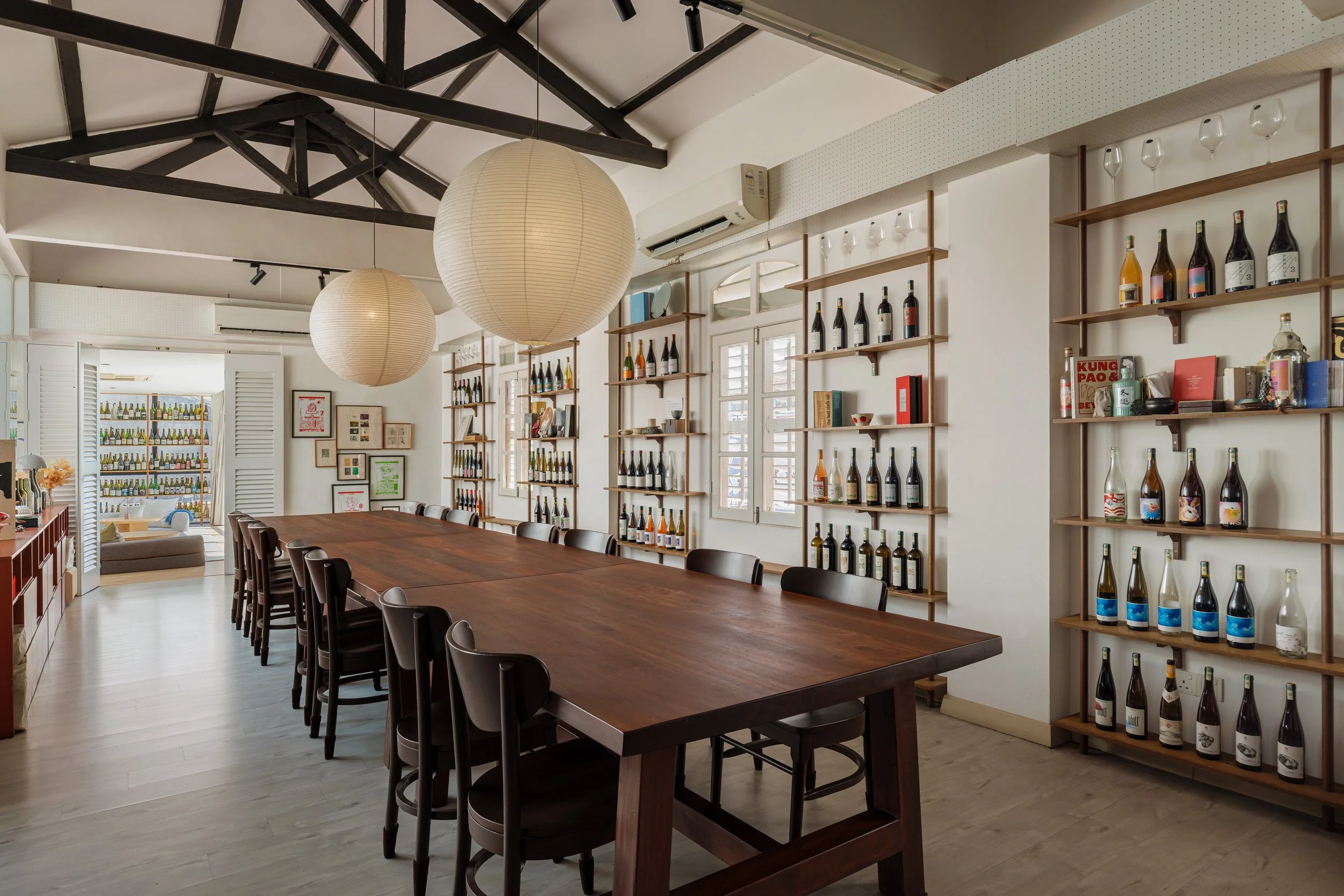
Your Living Room for Great Wine.
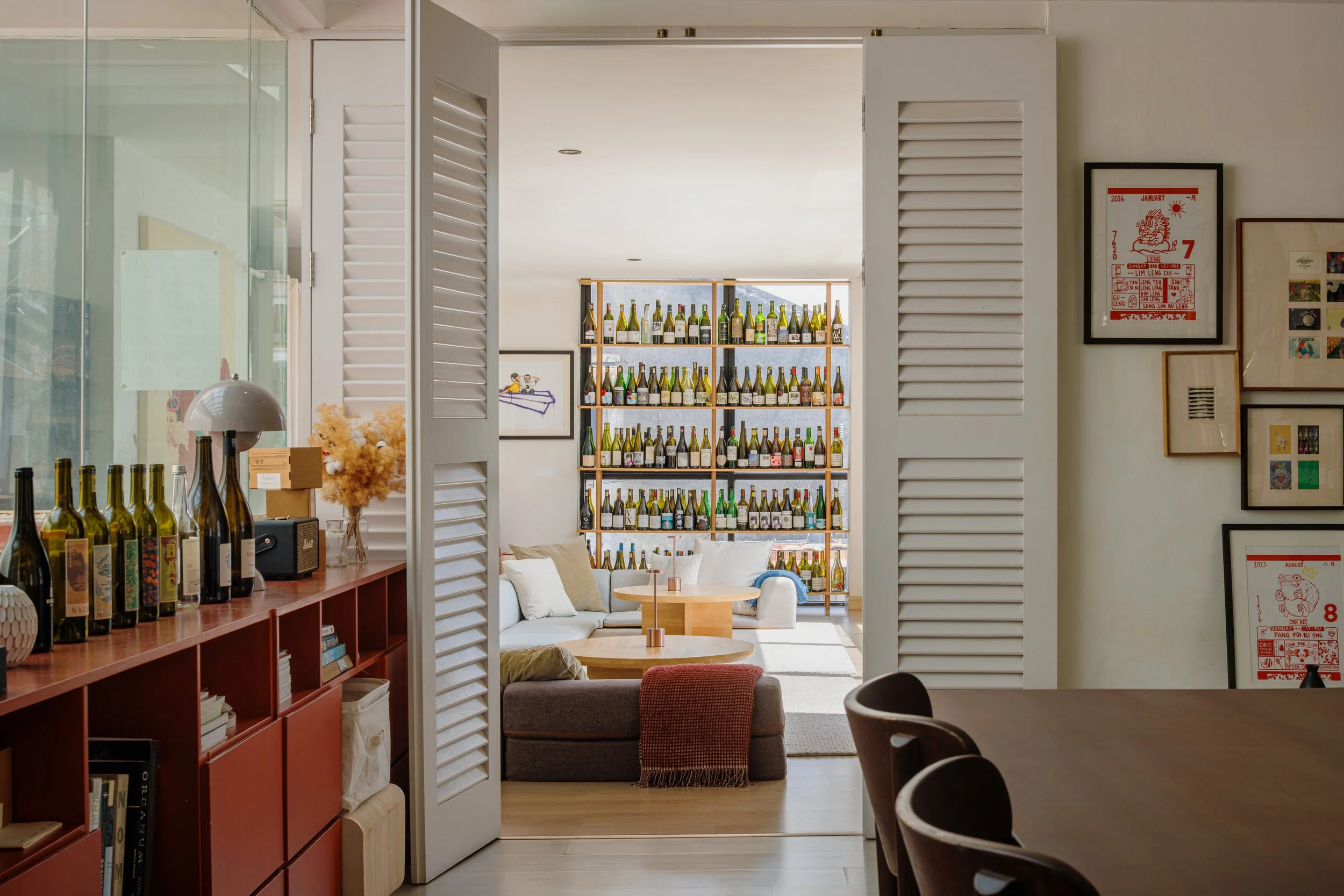
We bring the world's best independent bottles right to Penang. Our shelves are packed with carefully curated selections from boutique wineries, small-scale producers, and minimal-intervention wines. Just exceptionally good juice.
Step inside and you’ll find a laid-back, snug environment designed to make you feel right at home. Pull up a chair, grab a glass, and relax as if you were in your own living room. Want to dive deeper? Come along to our intimate wine tasting events where we showcase our favourite labels and the passionate stories behind them.
Let’s Talk Wine.
Looking for the perfect pour or planning a visit?
Whether you need tailored wine recommendations for a special occasion, help selecting a gift, or want to book an appointment to visit us, we’ve got you covered!
Reach out to us today and let’s find your next favourite bottle.
Type: Red Wine (Brunello di Montalcino / Biodynamic / Traditional / Structured)
Region: Montalcino, Tuscany, Italy — Brunello di Montalcino DOCG
Grapes: 100% Sangiovese
Alcohol ABV: 14.5% according to Podere Le Ripi's 2020 technical sheet.
Tasting Profile and Key Notes
Aroma:
Complex and refined, with red cherry, wild strawberry, raspberry and blackberry, followed by violet, dried flowers and forest-floor aromas. The 2020 vintage also shows more savoury and mineral nuances of cold smoke, graphite, flint, mint and subtle balsamic herbs, giving the wine considerable depth.
Palate:
Medium to full-bodied, powerful but still fresh, with vibrant acidity and fine yet distinctly grippy tannins. Red and dark berries lead into earthy, graphite and balsamic flavours, with a subtle saline/mineral character. The finish is long and elegant, although the 2020 is still quite youthful and structured, with plenty of capacity to develop further in bottle.
Winemaking
The 2020 Cielo d'Ulisse is fermented with indigenous yeasts, with approximately 20 days of fermentation and maceration. The wine is then matured for around 36 months in large oak casks, allowing the Sangiovese to develop complexity while avoiding excessive new-oak character. It subsequently receives extended bottle ageing before release.
Cielo d'Ulisse comes from Podere Le Ripi's western slope, a naturally cooler part of the estate surrounded by forest. The site's alluvial soils contain clay and sand together with fragments of alberese, galestro and macigno toscano, contributing freshness and elegance to the wine.
Farming
Podere Le Ripi farms biodynamically, with a strong emphasis on biodiversity and soil health. The Cielo d'Ulisse vineyards are planted at approximately 4,800 vines per hectare and harvested by hand. The western exposure and surrounding woodland create a cooler microclimate, helping the Sangiovese retain acidity and aromatic freshness even in warmer vintages.