
New to natural wine? Start here with our newest, most approachable crowd-pleasers.
〰️
New to natural wine? Start here with our newest, most approachable crowd-pleasers. 〰️
Diving into the world of natural wine doesn't have to be intimidating.
We’ve put together a lineup of top-recommended bottles perfect for anyone ready to explore. Curated specifically for curious palates, each bottle delivers approachable flavours and effortless drinking for any occasion—just open, pour, and enjoy!
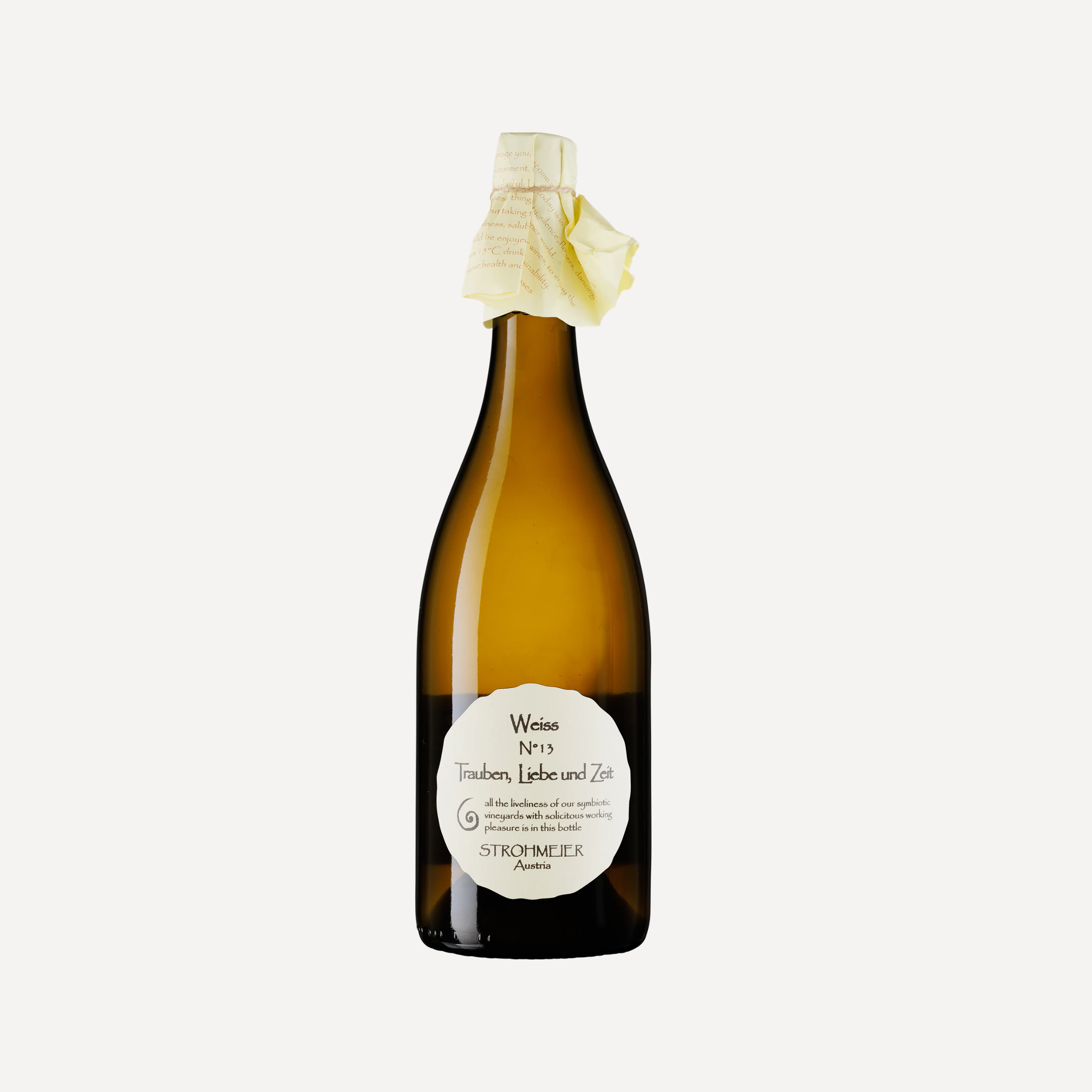
Type: Skin-Contact White Wine (Natural / Biodynamic / Minimal Intervention)
Region: Styria (Steiermark), Austria
Grapes: Pinot Blanc (Weissburgunder) & Chardonnay (approximately 70% Pinot Blanc, 30% Chardonnay)
Alcohol ABV: 12%
Tasting Profile and Key Notes
Aroma:
Elegant and complex aromas of white peach, grapefruit, lemon zest, and ripe pear, layered with chamomile, white flowers, dried herbs, and subtle earthy notes. A gentle skin-contact character brings hints of tea leaves, citrus peel, and spice, while the mineral-driven profile reflects the unique gneiss soils of western Styria.
Palate:
Textured, energetic, and beautifully balanced, showing vibrant citrus fruit, orchard fruit, and a subtle saline minerality. The short maceration provides a delicate phenolic grip and added depth, while bright acidity keeps the wine fresh and precise. The finish is long and savoury, with notes of grapefruit, lemon oil, and stony freshness.
Winemaking
The grapes are harvested by hand and undergo a short period of skin contact before gentle pressing of whole clusters. Fermentation occurs spontaneously with indigenous yeasts in used 500–600L wooden barrels, followed by ageing on fine lees for around 9–12 months with full malolactic fermentation. The wine is bottled unfined, unfiltered, and without added sulphur, following Franz Strohmeier’s “Trauben, Liebe und Zeit” (Grapes, Love and Time) philosophy.
Farming
The vineyards are located in western Styria, Austria, including sites around Stainz and Bad Gams, where vines grow on weathered gneiss soils rich in iron and silica. Franz Strohmeier practices organic and biodynamic farming, focusing on biodiversity, natural vineyard balance, and minimal intervention to allow the terroir and grape varieties to express themselves authentically.
Beginner’s Pick

Type: Orange Wine (Natural / Skin-Contact / Minimal Intervention)
Region: Yamagata Prefecture, Japan
Grapes: 85% Delaware, 15% Niagara
Alcohol ABV: 11.5%
Tasting Profile and Key Notes
Aroma:
Fresh and expressive aromas of mandarin orange, orange peel, ripe grape, white peach, and citrus blossom. The wine carries a distinctive Japanese table grape character, showing delicate floral notes, subtle candy-like fruitiness, and hints of fresh herbs.
Palate:
Light-bodied, vibrant, and refreshing with juicy citrus and orchard fruit flavours. Gentle skin contact provides a subtle phenolic texture and grip, while bright acidity lifts the palate and keeps the finish clean, lively, and easy-drinking. The finish shows a pleasant balance of fruit sweetness, slight bitterness, and mineral freshness.
Winemaking
The grapes are 100% destemmed and undergo spontaneous fermentation with indigenous yeasts, followed by 6–14 days of skin maceration in amphora and fibre tanks. The wine is then aged with approximately 65% in amphora and 35% in stainless steel tanks before bottling. Made without clarification, filtration, or added sulfur, Arancione reflects Grape Republic’s natural winemaking philosophy and pure expression of Japanese fruit.
Farming
The grapes are sourced from vineyards in Yamagata Prefecture, where the cool climate and large diurnal temperature variation help preserve freshness and aromatic intensity. Grape Republic works closely with local growers using low-intervention farming practices, allowing native grape varieties such as Delaware and Niagara to express their unique Japanese terroir and natural character.

Type: Sparkling White Wine (Pét-Nat / Natural / Minimal Intervention)
Region: Yamagata Prefecture, Japan
Grapes: 50% Delaware, 25% Niagara, 11% Neo Muscat, 6% Seyval Blanc 9110, 6% Steuben, 2% Rosario Bianco
Alcohol ABV: 10.5%
Tasting Profile and Key Notes
Aroma:
Highly aromatic and playful, bursting with notes of mango, banana, white peach, lychee, Muscat grape, citrus blossom, and tropical fruits. The signature candy-like fragrance of Delaware grapes is balanced by delicate floral notes and subtle wild yeast complexity, creating an unmistakably vibrant Japanese expression.
Palate:
Light-bodied and lively with gentle natural bubbles and refreshing acidity. Juicy tropical fruits, fresh table grapes, citrus, and white peach are complemented by a soft lees-derived creaminess and delicate umami. The finish is crisp, clean, and effortlessly drinkable, with a subtle cloudy texture that enhances the wine's charm and freshness.
Winemaking
The grapes are hand-harvested from organically managed vineyards and fermented spontaneously with indigenous yeasts. Most of the fruit undergoes short skin maceration before fermentation in stainless steel, while a portion of sweet Steuben juice is blended back just before bottling. The wine completes fermentation in bottle using the ancestral (Pét-Nat) method, creating its natural sparkle without fining, filtration, or added sulphur.
Farming
The fruit is sourced from vineyards across Yamagata Prefecture, where cool growing conditions and significant day-to-night temperature variation preserve freshness and aromatic intensity. Grape Republic works closely with growers who follow organic and low-intervention farming practices, avoiding synthetic chemicals while encouraging biodiversity and healthy vineyard ecosystems. The result is a vibrant sparkling wine that captures the purity and individuality of Japan's emerging natural wine scene.

Type: Orange Wine (Skin Contact / Natural / Biodynamic / Minimal Intervention)
Region: Alsace, France (Vin de France – Domaine Albert Hertz, Eguisheim)
Grapes: 100% Muscat Ottonel
Alcohol ABV: 13%
Tasting Profile and Key Notes
Aroma:
An elegant and aromatic orange wine with the distinctive floral character of Muscat. The nose shows intense notes of orange blossom, jasmine, lychee, mandarin peel, and ripe citrus. Subtle aromas of dried herbs, white pepper, tea leaves, and gentle spice develop from the skin contact, adding complexity while maintaining Muscat’s natural perfume.
Palate:
Dry, medium-bodied, and textured with a delicate tannic grip from maceration. Flavours of lemon zest, orange peel, apricot, peach, and exotic fruit are balanced by floral freshness and a savoury mineral backbone. The finish is clean and slightly saline, with a beautiful combination of aromatic intensity and refreshing acidity.
Winemaking
The grapes are destemmed and macerated on skins for around 10 days before pressing. Fermentation continues naturally with indigenous yeasts, followed by 12 months ageing on fine lees in stainless steel tanks. The wine is bottled unfiltered, with only a small amount of sulphur added, preserving the natural expression and aromatic purity of the Muscat.
Farming
The grapes come from Domaine Albert Hertz in Eguisheim, Alsace, from vineyards certified organic and biodynamic (Demeter & Biodyvin) since 2007. The vines grow on clay-limestone soils with a south-east exposure, benefiting from Alsace’s continental climate that allows Muscat to develop intense aromatics while maintaining freshness and balance. The vines are around 33 years old, contributing concentration and complexity.
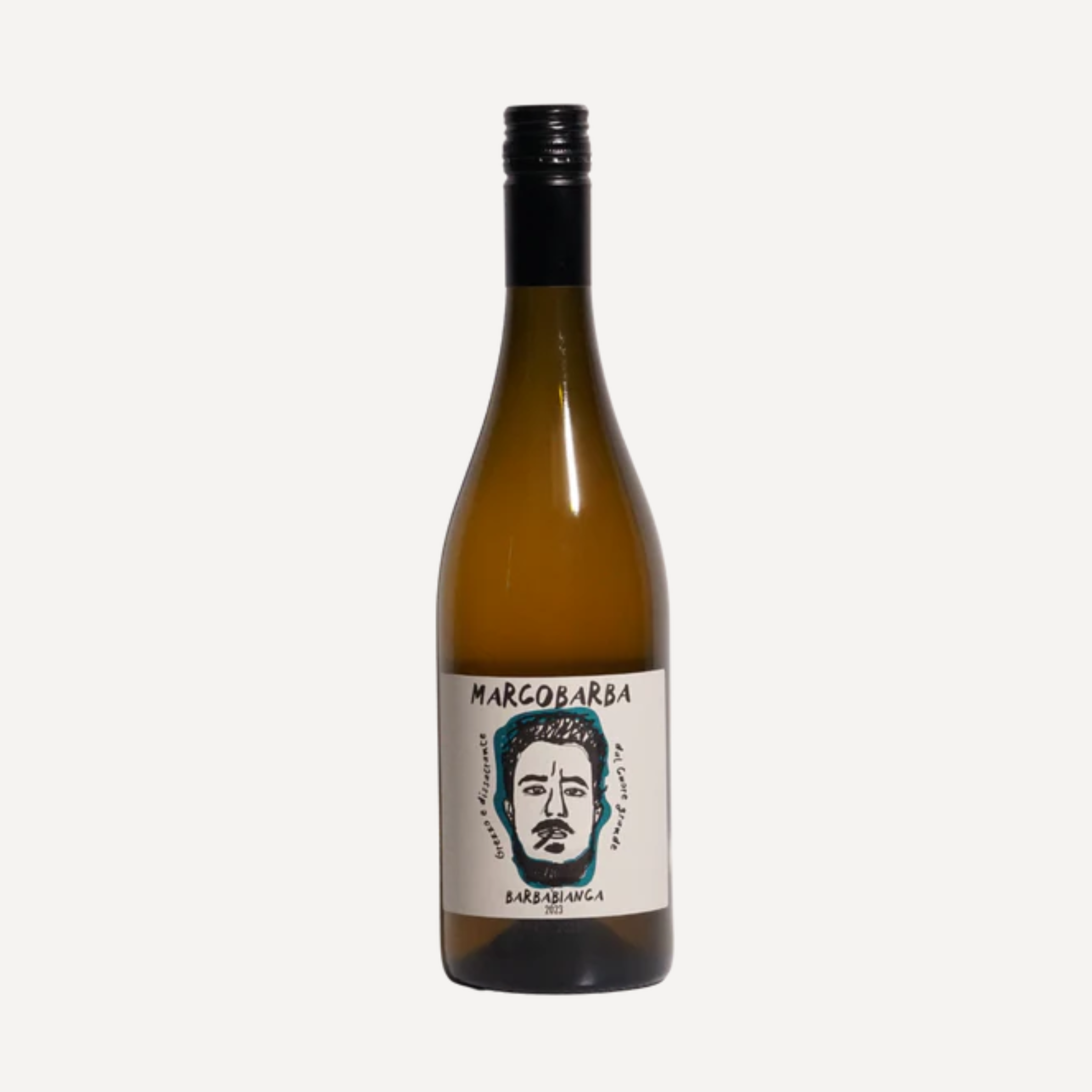
Type: White Wine (Natural / Biodynamic / Minimal Intervention)
Region: Gambellara, Veneto, Italy
Grapes: Garganega, Chardonnay, Glera, and Trebbiano
Alcohol ABV: 10.5%
Tasting Profile and Key Notes
Aroma:
Fresh and expressive with aromas of green apple, lemon zest, white peach, pear, and delicate white flowers. Subtle notes of almond, fresh herbs, and a gentle mineral character add complexity, reflecting the volcanic soils and traditional grape varieties of the Gambellara area.
Palate:
Light-bodied, vibrant, and highly refreshing with flavours of citrus, orchard fruits, and a touch of almond. Bright acidity provides energy, while a soft textured mouthfeel from lees ageing gives balance and depth. The finish is clean, mineral, and slightly savoury, making it an easy-drinking yet gastronomic white wine.
Winemaking
The grapes are sourced from biodynamically farmed vineyards and fermented spontaneously with indigenous yeasts in concrete tanks. The wine remains in the same concrete vessels for at least six months of ageing, allowing it to develop texture while preserving freshness and purity. Bottled unfiltered with only a small addition of sulphur, Barbabianca reflects Marcobarba’s low-intervention philosophy and focus on natural expression.
Farming
The vineyards are located around Gambellara in Veneto, an area known for its volcanic basalt soils and long tradition of native white grape cultivation. Marcobarba follows biodynamic farming principles, reducing vineyard intervention to a minimum and focusing on soil health, biodiversity, and harmony with the natural environment.

Type: Rosé Wine (Natural / Organic / Minimal Intervention)
Region: Côtes Catalanes IGP, Roussillon, France
Grapes: Merlot, Syrah
Alcohol ABV: 13%
Tasting Profile and Key Notes
Aroma:
A vibrant and expressive natural rosé with aromas of wild raspberry, strawberry, pomegranate, and red cherry. More savoury Mediterranean notes emerge with air — rosehip, tomato leaf, red pepper, rosemary, thyme, wild mint, and freshly ground white pepper create a complex and distinctive profile.
Palate:
Dry, powerful, and refreshing with a textured mouthfeel. The palate shows flavours of red berries, citrus peel, pomegranate, and herbs, balanced by lively acidity and a subtle mineral character. Unlike a delicate Provence-style rosé, L'Amourouse has more depth and structure, with a savoury, spicy finish and excellent gastronomic potential.
Winemaking
Made with a natural wine approach, the grapes are hand-harvested from old vines and fermented separately in stainless steel tanks. The wine is bottled unfiltered and unfined, with only minimal sulphur added at bottling, preserving the purity of the fruit and the expressive character of the vineyard.
Farming
Domaine de Majas is located in Roussillon, southern France, near the foothills of the Pyrenees. The vineyards are farmed organically, with vines planted on limestone and schist soils at around 350–400 metres altitude. The combination of Mediterranean sunshine, mountain influence, and mineral soils gives the wines both ripe fruit character and freshness.
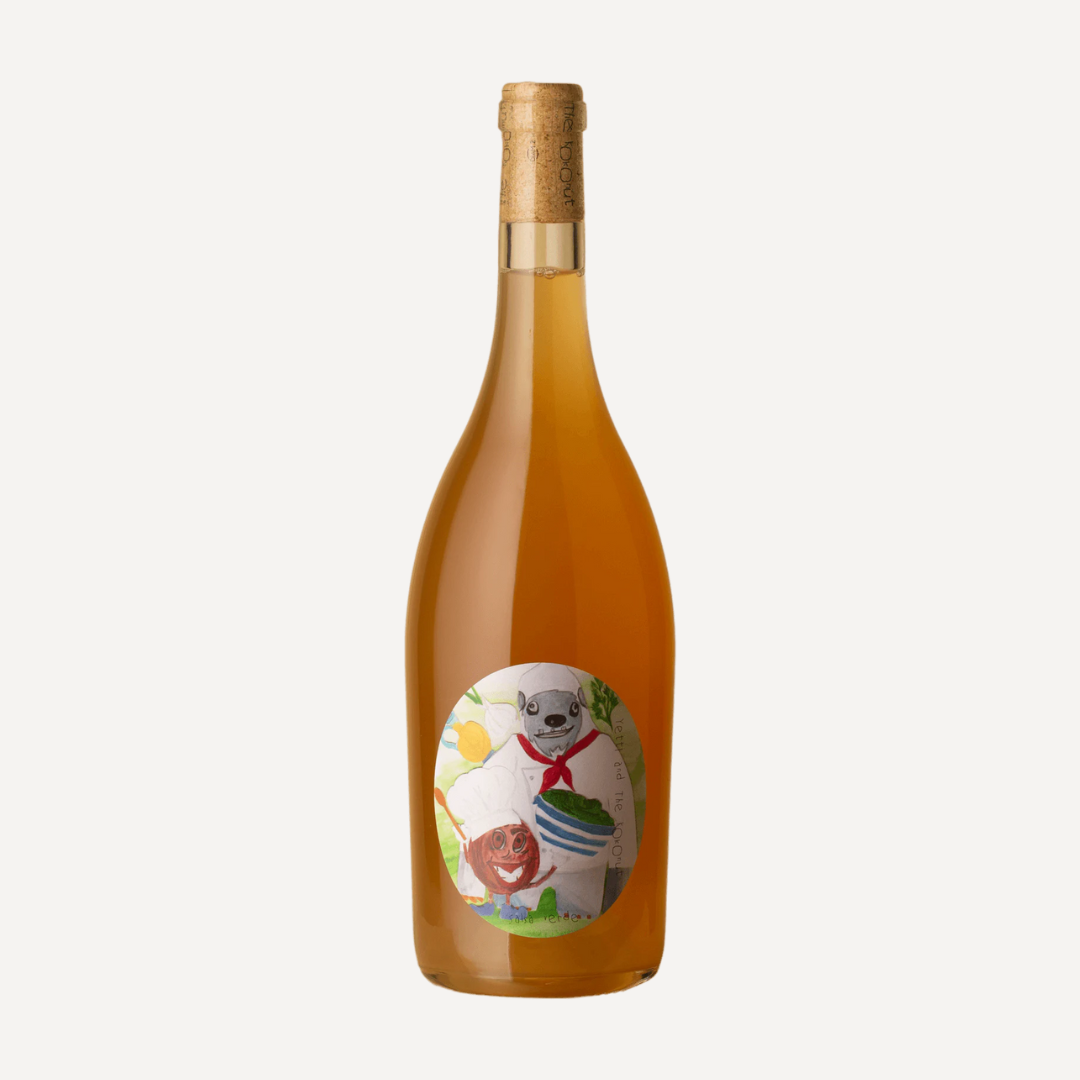
Yetti & The Kokonut Salsa Verde 2021
Type: White Wine (Natural / Skin Contact / Biodynamic / Minimal Intervention)
Region: McLaren Vale, South Australia, Australia
Grapes: 100% Verdelho
Alcohol ABV: 12.1%
Tasting Profile and Key Notes
Aroma:
A vibrant and aromatic skin-contact white with expressive notes of grapefruit, pineapple, passion fruit, and mango. The extended contact with grape skins brings additional layers of orange peel, white flowers, fresh herbs, and subtle savoury notes, giving the wine a more complex and textured aromatic profile.
Palate:
Fresh, energetic, and textural with bright acidity and gentle tannic grip from skin fermentation. Flavours of tropical fruit, citrus peel, green mango, and grilled lemon are balanced by mineral freshness and a slightly savoury finish. The wine has a juicy, zippy character while maintaining the structure and complexity often found in orange wines.
Winemaking
The Verdelho grapes are sourced from the biodynamic Gemtree Vineyard in McLaren Vale. The fruit undergoes skin fermentation for around 4–10 days before being pressed and transferred into seasoned French oak for approximately 11 months of ageing on fine lees. The wine is fermented with native yeasts and bottled without fining or filtration, with minimal sulphur added to preserve its natural character.
Farming
The fruit comes from Gemtree Vineyard, a certified biodynamic site in McLaren Vale. The vineyard focuses on regenerative and sustainable farming, with biodiversity playing an important role beyond just grape growing. The Mediterranean climate of McLaren Vale, combined with cooling coastal influences, helps Verdelho retain freshness while developing ripe tropical fruit character.

Type: Light Red (Natural / Low-Intervention)
Region: Swartland, South Africa
Grapes: 100% Carignan
Alcohol ABV: 12.5%
Tasting Profile and Key Notes
Aroma: Bursting with crunch — sour cherry, wild raspberry, pomegranate, dried lavender, and a unique earthy beetroot or fynbos (South African wild shrub) note.
Palate: Slender, high-toned, and svelte. Racy, mouthwatering acidity meets super-fine, chalky tannins and a mineral finish reminiscent of rainy pavement.
Winemaking
The hand-harvested grapes are kept entirely as whole clusters (including the stems) and gently crushed before undergoing a completely spontaneous native yeast fermentation. It spends 17 days on the skins for a delicate infusion of flavor and fine tannins, avoiding over-extraction or heavy pump-overs. The wine is pressed off into large, neutral foudres and concrete vats to age for 12 months, and it is bottled completely unfined and unfiltered with just a minimal sulfur addition at packaging (around 35ppm total SO₂).
Farming
The fruit is sourced from a single, dry-farmed bush-vine parcel of Carignan planted back in 2001 on the hillsides of the Paardeberg. These old, unirrigated vines grow in deep, highly impoverished decomposed granite soils that force the roots deep, imparting a signature salty minerality to the fruit. Craig and Carla farm the site strictly under practicing organic principles, allowing heavy cover crops to grow in winter to maximize moisture retention in the arid Swartland climate.

Type: Light to Medium-Bodied Red (Sustainably Certified / Vegan)
Region: Wairau Valley, Marlborough, New Zealand
Grapes: 100% Pinot Noir
Alcohol ABV: 13%
Tasting Profile and Key Notes
Aroma: Bright and youthfully aromatic with fragrant raspberry, red cherry, a touch of dark plum, and subtle hints of warm baking spices.
Palate: Supple, juicy, and energetic; it leads with a crunchy core of fresh red berries, balanced by gentle, well-integrated tannins and a clean, vibrant acidity.
Winemaking
The fruit undergoes a cold-soak period prior to fermentation to maximize the extraction of vibrant primary fruit aromatics and deep colour from the delicate grape skins.Fermentation is carried out in stainless-steel tanks using selected yeasts, during which the cap is meticulously hand-plunged to achieve a balanced, gentle tannin profile. The wine is pressed and finished entirely in tank on its fine lees to preserve its bright, fruit-forward purity and clean, un-oaked character.
Farming
The grapes are sourced entirely from estate vineyards in the Wairau Valley, an area characterized by its ancient, free-draining stony riverbed soils.The vineyard operations are independently certified 100% sustainable by Sustainable Winegrowing New Zealand, utilizing practices like planting wild flowers between rows to naturally enhance soil structure and nitrogen levels. The region's intense maritime sunshine paired with cool coastal nights allows for an extended growing season, giving the Pinot Noir grapes ample time to develop complex phenolics while locking in high natural acidity.
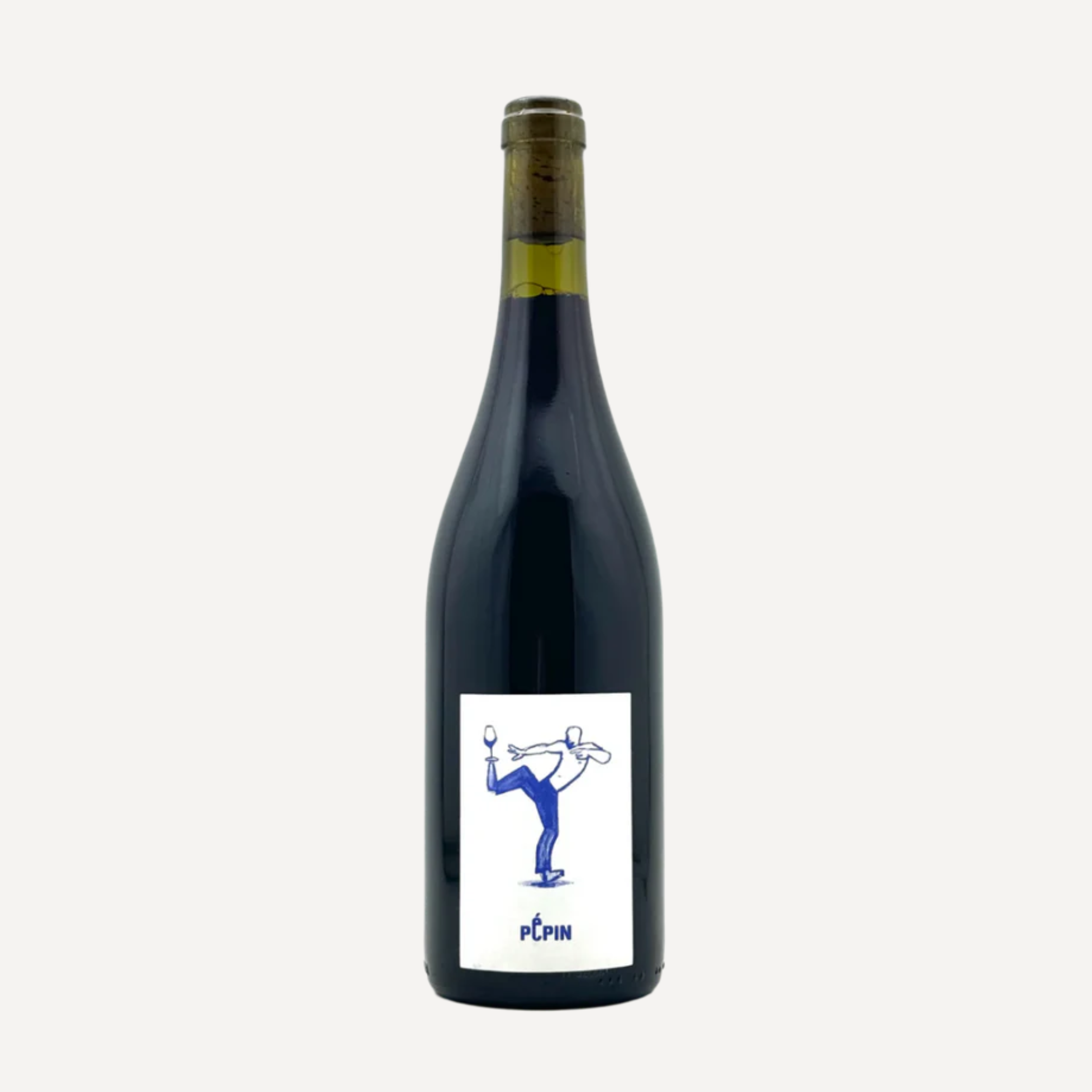
Type: Red Wine (Natural / Minimal Intervention)
Region: Alsace, France
Grapes: Syrah, Grenache, Carignan, Pinot Blanc
Alcohol ABV: 13%
Tasting Profile and Key Notes
Aroma:
A fragrant and expressive nose of ripe cherry, raspberry, red currant, and dried rose petals, layered with hints of black pepper, liquorice, clove, and subtle mineral notes. The Rhône varieties contribute generous dark fruit and spice, while Pinot Blanc brings a lifted freshness and aromatic elegance.
Palate:
Medium-bodied, juicy, and beautifully balanced with vibrant red and black berry fruit supported by silky tannins and refreshing acidity. Notes of cherry, wild raspberry, sweet spice, and savoury herbs lead to a smooth, persistent finish with a delicate mineral edge. Approachable yet structured, it is equally enjoyable on its own or paired with roasted meats and hearty dishes.
Winemaking
Pépin Rouge is produced by Domaine Achillée in collaboration with Duo Oenologie, sourcing organically grown fruit from trusted growers across France. Each variety is fermented with indigenous yeasts using low-intervention techniques before careful blending to achieve balance and freshness. The wine is bottled with minimal handling, avoiding unnecessary fining or filtration while using only minimal sulphur to preserve purity and drinkability.
Farming
The fruit is sourced from certified organic vineyards, with growers committed to farming without synthetic herbicides or pesticides. Pépin's philosophy centres on healthy soils, biodiversity, and respectful viticulture, allowing each grape variety to express its character while creating vibrant, accessible natural wines that reflect both terroir and vintage.
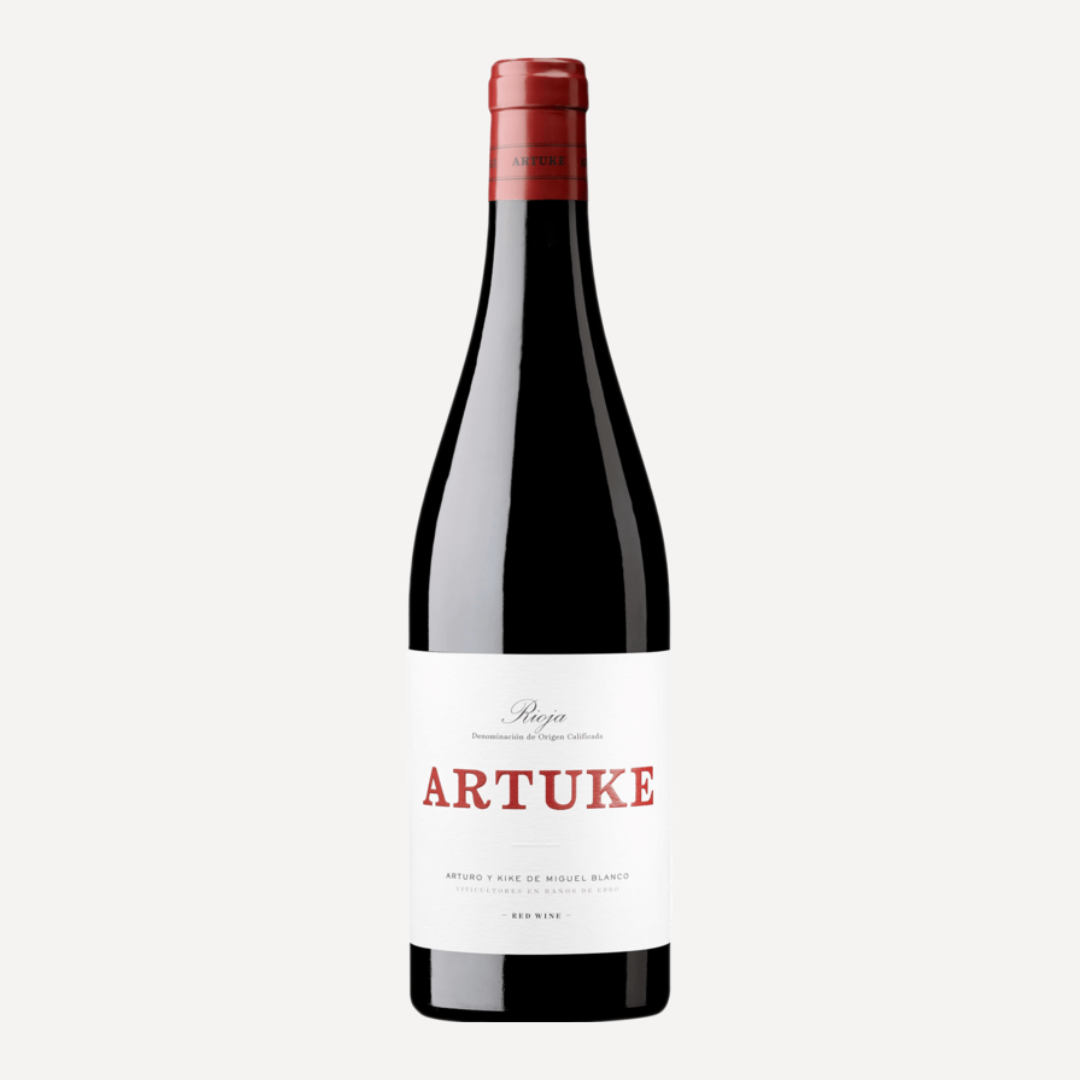
Type: Red Wine (Young Rioja / Natural-leaning / Carbonic Maceration)
Region: Rioja Alavesa (DOCa Rioja), Spain
Grapes: 95% Tempranillo, 5% Viura
Alcohol ABV: 14%
Tasting Profile and Key Notes
Aroma:
Bright, youthful and highly expressive, with aromas of fresh red cherry, raspberry, wild strawberry and blackberry. Floral notes of violet are complemented by subtle hints of yoghurt, crushed stone and fresh herbs from the carbonic maceration, giving the wine a lifted and vibrant personality.
Palate:
Light to medium-bodied with juicy red fruit, lively acidity and very soft tannins. Flavours of cherry, raspberry, cranberry and red plum are supported by gentle spice and mineral notes. The finish is clean, energetic and remarkably fresh, making it an easy-drinking yet characterful Rioja.
Winemaking
The grapes are hand-harvested as whole bunches and fermented using the traditional carbonic maceration method, a historic technique of Rioja Alavesa that enhances fruit purity and floral aromatics. Fermentation and spontaneous malolactic conversion take place in stainless steel, followed by approximately five months of ageing in concrete tanks. The wine is softly filtered and bottled without stabilization to preserve its freshness and vibrancy.
Farming
Artuke is a family estate run by brothers Arturo and Kike de Miguel in Baños de Ebro, Rioja Alavesa. The vineyards are farmed sustainably with meticulous manual work and low yields. The vines grow on limestone-clay soils under Atlantic influence moderated by the Mediterranean climate, producing wines with freshness, purity and a strong sense of place.
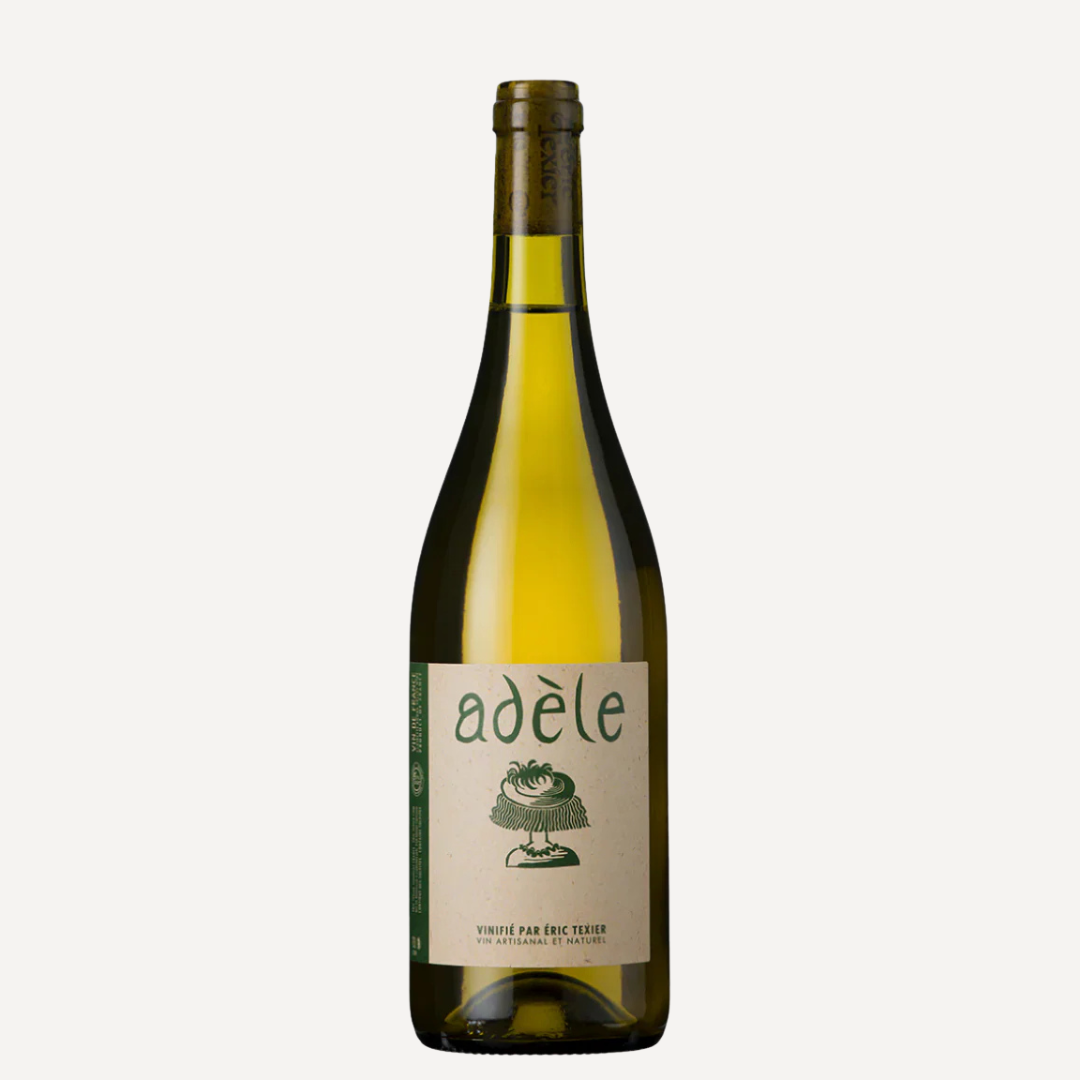
Type: White Wine (Natural / Organic / Biodynamic / Minimal Intervention)
Region: Rhône Valley, France (Vin de France – Ardèche / Northern Rhône)
Grapes: 95% Clairette, 5% Marsanne
Alcohol ABV: 12.5%
Tasting Profile and Key Notes
Aroma:
A refined and mineral-driven Rhône white with aromas of lemon zest, green apple, pear, and white peach. Notes of bergamot, white flowers, chamomile, and fresh herbs add elegance, while subtle chalky minerality and a hint of almond create complexity. The Clairette brings freshness and floral character, while Marsanne contributes a rounder texture and gentle richness.
Palate:
Medium-bodied with a silky, textured mouthfeel and bright acidity. The palate shows flavours of citrus, pear, apple skin, and stone fruits, balanced by a saline mineral character and delicate herbal bitterness. The finish is long and dry, with notes of lemon peel, tea, and chalky freshness.
Winemaking
The grapes are hand-harvested from organically farmed vineyards and pressed as whole clusters. Fermentation occurs spontaneously with indigenous yeasts in cement tanks, followed by ageing on fine lees for around 6–8 months before bottling. The wine is made with minimal intervention, without fining or filtration, preserving the natural texture and purity of the varieties.
Farming
The vines are cultivated organically in the Ardèche region, on south-facing slopes with granite-rich soils mixed with clay, limestone, quartz, and schist elements. Eric Texier focuses on agro-ecological farming, encouraging biodiversity and healthy soils to express the unique character of forgotten Rhône terroirs.