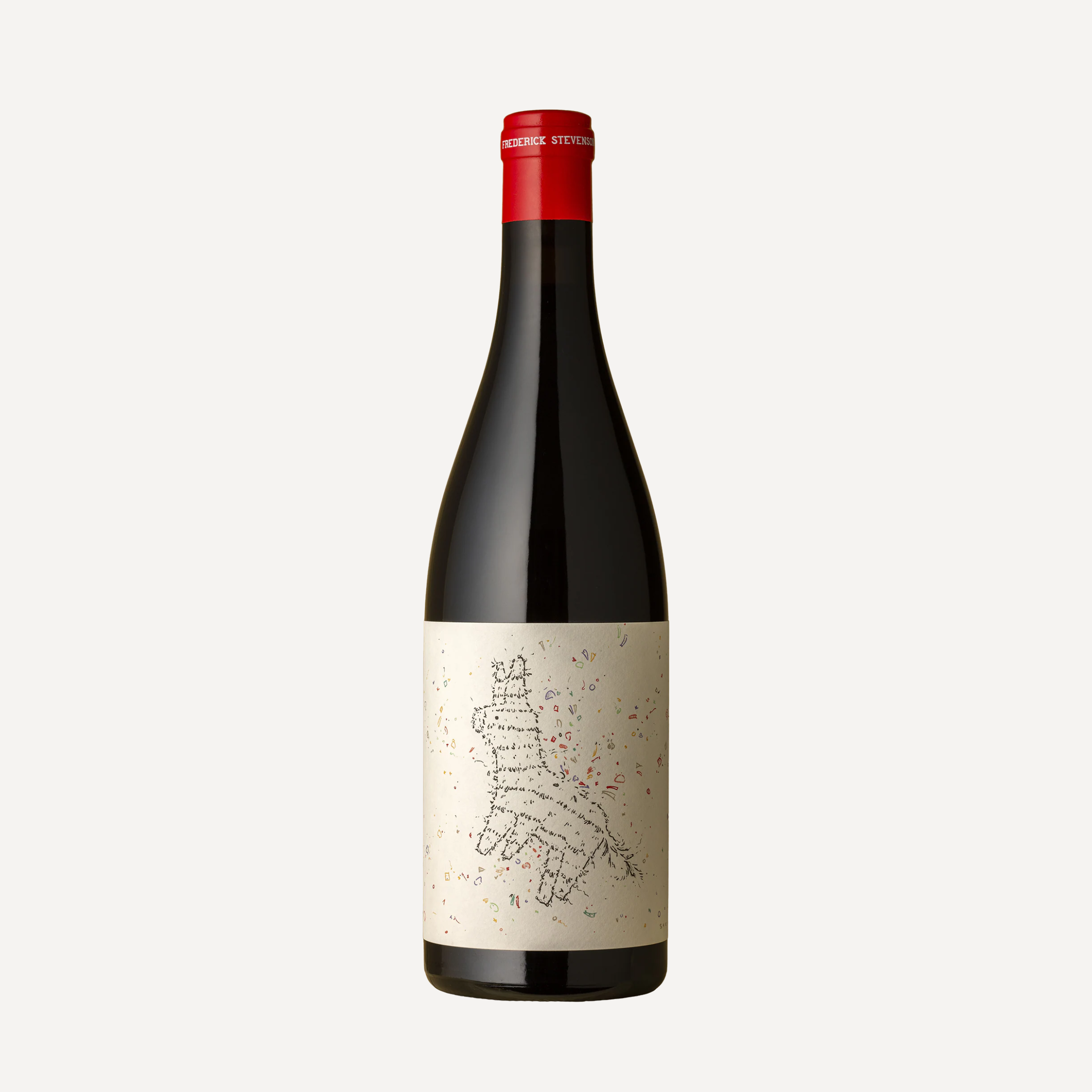
 Image 1 of 1
Type: Light Red Wine (Natural / Minimal Intervention / Chillable Red)
Region: Barossa Valley, South Australia, Australia
Grapes: 38% Cinsault, 33% Grenache, 23% Syrah, 6% Mourvèdre
Alcohol ABV: Approximately 12.5–13%
Aroma:
A vibrant and playful bouquet of wild strawberry, raspberry, red cherry, and cranberry, lifted by floral notes of rose petal and violet. Cinsault brings delicate perfume and freshness, while Grenache adds juicy red fruit character. Subtle notes of black pepper, dried herbs, leather, and spice from Syrah and Mourvèdre add complexity without overpowering the wine.
Palate:
Light-bodied, juicy, and energetic with crunchy red fruits, bright acidity, and silky tannins. The palate shows flavours of strawberry, sour cherry, raspberry, and plum skin, supported by gentle spice, savoury herbs, and a touch of earthy complexity. Cinsault provides freshness and fragrance, Grenache contributes volume and fruit, while Syrah and Mourvèdre add depth and structure. The finish is vibrant, refreshing, and highly drinkable, making it ideal served slightly chilled.
The grapes are sourced from different Barossa Valley vineyards, including Cinsault and Syrah from Ahrens Vineyard in Vine Vale, Grenache from Krondorf and Ebenezer sites, and Mourvèdre from Hoffmann Vineyard. Each variety is carefully handled to preserve freshness, with gentle extraction and minimal intervention throughout fermentation. The wine is made naturally with indigenous yeasts, then aged in neutral vessels before bottling with minimal additions to maintain its bright, energetic character.
The fruit comes from mature vineyards across the Barossa Valley, a region known for its warm Mediterranean climate and diverse soil types. Frederick Stevenson works closely with growers who practice thoughtful, sustainable farming, allowing each variety to express its own character while maintaining balance, freshness, and vineyard transparency.
Type: Light Red Wine (Natural / Minimal Intervention / Chillable Red)
Region: Barossa Valley, South Australia, Australia
Grapes: 38% Cinsault, 33% Grenache, 23% Syrah, 6% Mourvèdre
Alcohol ABV: Approximately 12.5–13%
Aroma:
A vibrant and playful bouquet of wild strawberry, raspberry, red cherry, and cranberry, lifted by floral notes of rose petal and violet. Cinsault brings delicate perfume and freshness, while Grenache adds juicy red fruit character. Subtle notes of black pepper, dried herbs, leather, and spice from Syrah and Mourvèdre add complexity without overpowering the wine.
Palate:
Light-bodied, juicy, and energetic with crunchy red fruits, bright acidity, and silky tannins. The palate shows flavours of strawberry, sour cherry, raspberry, and plum skin, supported by gentle spice, savoury herbs, and a touch of earthy complexity. Cinsault provides freshness and fragrance, Grenache contributes volume and fruit, while Syrah and Mourvèdre add depth and structure. The finish is vibrant, refreshing, and highly drinkable, making it ideal served slightly chilled.
The grapes are sourced from different Barossa Valley vineyards, including Cinsault and Syrah from Ahrens Vineyard in Vine Vale, Grenache from Krondorf and Ebenezer sites, and Mourvèdre from Hoffmann Vineyard. Each variety is carefully handled to preserve freshness, with gentle extraction and minimal intervention throughout fermentation. The wine is made naturally with indigenous yeasts, then aged in neutral vessels before bottling with minimal additions to maintain its bright, energetic character.
The fruit comes from mature vineyards across the Barossa Valley, a region known for its warm Mediterranean climate and diverse soil types. Frederick Stevenson works closely with growers who practice thoughtful, sustainable farming, allowing each variety to express its own character while maintaining balance, freshness, and vineyard transparency.